
A Short History of China and Southeast Asia: Tribute, Trade and Influence
Martin Stuart-Fox
2003
View book
Book guide and evaluation
Werner Speiser
0 reviews
Published
pages
views
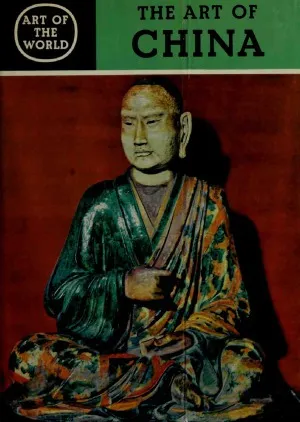
Introduction to 'The Art of China - Spirit and Society' In 'The Art of China - Spirit and Society', Werner Speiser provides readers with a deep dive into the intricacies of Chinese art, its underlying spiritual connections, and societal implications. This seminal work ex
Before you read
In 'The Art of China - Spirit and Society', Werner Speiser provides readers with a deep dive into the intricacies of Chinese art, its underlying spiritual connections, and societal implications. This seminal work explores the profound and enduring legacy of Chinese art and its profound impact on both historical and contemporary cultural landscapes.
Werner Speiser's book serves as an enlightening exploration into the rich tapestry of Chinese art, weaving through epochs and dynasties to uncover the essence of its spiritual foundations. Speiser articulates the blend of Daoist, Confucian, and Buddhist philosophies that permeate through various art forms. His analysis is not confined to the aesthetics but delves into how these philosophies define and guide societal norms and everyday life in China.
Moving through chapters, the book paints a vivid picture of Chinese art forms, ranging from ancient pottery and bronzes to the intricate brushstrokes of calligraphy and the vivid hues of traditional paintings. Each chapter not only describes the art piece and its era but also situates it within the broader socio-political context of the time. Speiser pays particular attention to the cultural symbolism contained within these pieces, highlighting how art serves as a mirror and molder of societal values.
As Speiser journeys through the realms of Chinese art, his narrative is interspersed with reflective insights, some of which have become famous quotes themselves:
"To witness Chinese art is to enter into a dialogue with the echoing voices of its ancestors."
"In every stroke lies not only the hand of a painter but the breath of a philosophy."
This book stands as a vital contribution to the field of art history and cultural studies for several reasons. Firstly, it bridges the gap between Western and Eastern perspectives of art, emphasizing the universality and unique aspects of Chinese aesthetics. Speiser's work helps demystify the complexity of Chinese art traditions for a global audience, providing insights that are educational and enriching. Additionally, by contextualizing the artwork within its spiritual and societal framework, the book enhances our understanding of how art influences and is influenced by human experiences and institutions.
For educators, students, and enthusiasts of art history and cultural studies, 'The Art of China - Spirit and Society' is more than just a textbook; it is a valuable resource that offers profound insights into the soul of a civilization. Its comprehensive analysis and engaging narrative encourage readers to appreciate and respect the art form's cultural significance and historical resilience.
Your question is answered in the context of this title and author. Each answer uses 2 points.
0 reviews, 4.7 average out of 5
Sign in to publish a review.
Ask a focused question and learn from the community.
Related references that continue this learning path.
Martin Stuart-Fox