
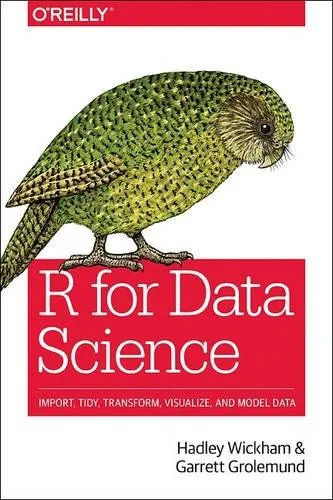
R for Data Science: Import, Tidy, Transform, Visualize, and Model Data
Hadley Wickham,Garrett Grolemund
2017
View book
Book guide and evaluation
Patricia Elizabeth Spencer,Marc Marschark
0 reviews
Published
pages
views
Introduction to the Book Welcome to "Advances in the Spoken-Language Development of Deaf and Hard-of-Hearing Children," where we delve into the intricacies of language acquisition among children who are deaf or hard of hearing. This book aims to bridge the ga
Before you read
Welcome to "Advances in the Spoken-Language Development of Deaf and Hard-of-Hearing Children," where we delve into the intricacies of language acquisition among children who are deaf or hard of hearing. This book aims to bridge the gap between research and practice, offering insights into the various factors that influence language development in this unique population. With contributions from leading experts, this book stands as a comprehensive resource for educators, researchers, clinicians, and anyone interested in understanding the language development of these children.
The book provides an in-depth exploration of the factors affecting spoken-language development in deaf and hard-of-hearing children. It starts by addressing the significance of early intervention and the pivotal role it plays in language outcomes. The chapters cover a broad range of topics, including the impact of family involvement, the use of technology such as cochlear implants and hearing aids, and the influence of educational environments. Additionally, it discusses the linguistic challenges and opportunities presented to these children, and how cultural and social contexts shape language learning.
Key sections of the book highlight the variability in language development pathways and stress the importance of personalized approaches to support each child's unique needs. The authors delve into methodologies for effective assessment and intervention strategies, emphasizing evidence-based practices that practitioners can integrate into real-world settings. Through extensive research and case studies, the book illustrates how different modalities and strategies can be harnessed to foster better language acquisition.
"Intervention is not a one-size-fits-all solution but a mosaic of practices designed to enhance each child's unique potential."
"Language is not merely a tool for communication; it is the foundation upon which we build cognition, identity, and social connection."
This book is of paramount importance because it addresses a critical aspect of human development often overlooked in mainstream dialogue. The spoken-language development of deaf and hard-of-hearing children is not just an academic interest; it is a vital component of fostering inclusivity and equity in education and society. By unpacking the complexities associated with language learning in this group, the authors challenge prevailing assumptions and encourage innovation in teaching and intervention practices.
Educators, parents, policymakers, and clinicians will find here a wealth of information supported by robust research, presented in a way that is both accessible and enlightening. This work empowers stakeholders to make informed decisions that enhance the educational and social experiences of deaf and hard-of-hearing children, thus contributing to a more inclusive and understanding society.
Your question is answered in the context of this title and author. Each answer uses 2 points.
0 reviews, 4.2 average out of 5
Sign in to publish a review.
Ask a focused question and learn from the community.
Related references that continue this learning path.
Hadley Wickham,Garrett Grolemund

Christopher D Manning;Prabhakar Raghavan;Hinrich Schutze