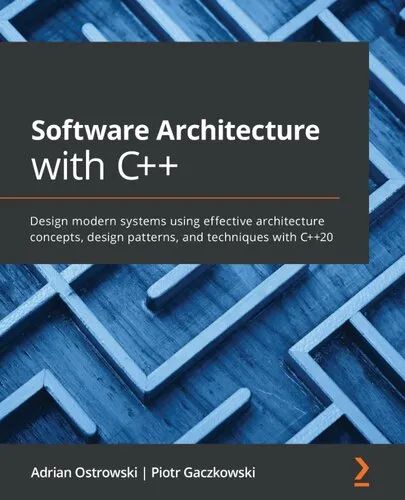
Software Architecture with C++ - Design modern systems using effective architecture concepts, design patterns, and techniques with C++20
Adrian Ostrowski,Piotr Gaczkowski
2021
View book
RefHub featured
Book guide and evaluation
John Ousterhout
0 reviews
Published
pages
views
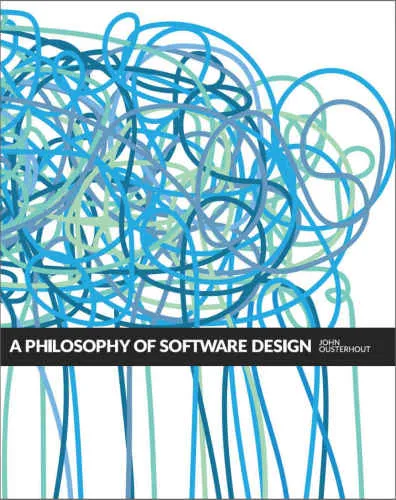
Introduction Welcome to a comprehensive exploration of A Philosophy of Software Design, a seminal work by John Ousterhout that dives deeply into the intricacies of designing software that is both robust and flexible. This book serves as a beacon for software developers, en
Before you read
Welcome to a comprehensive exploration of A Philosophy of Software Design, a seminal work by John Ousterhout that dives deeply into the intricacies of designing software that is both robust and flexible. This book serves as a beacon for software developers, engineers, and educators, presenting profound insights and pragmatic guidance on improving software architecture for the long term.
A Philosophy of Software Design delves into the complexities and challenges faced by software developers in crafting maintainable and scalable software systems. The book is structured to present a compelling argument for simplicity as the cornerstone of solid software design, advocating for reducing complexity to the greatest extent possible.
The author introduces various concepts and strategies, drawing from years of personal experience and broad academic influence. Throughout the book, Ousterhout stresses the importance of modularity and abstraction, arguing that identifying and defining clean interfaces between independent units of code can significantly reduce complexity and enhance clarity.
Each chapter offers unique perspectives on how to tackle common design issues, from interface design to error handling and system decomposition. By articulating a philosophy that goes beyond mere coding techniques, the book encourages developers to cultivate a mindset that prioritizes thoughtful design decisions that impact the software's lifecycle.
"The key to managing complexity effectively is simplicity."
"Progress is made by making things more complicated for the programmer trying to do a trivial task, in order to make it simpler for everyone else."
A Philosophy of Software Design matters because it transcends the tactical realm of everyday programming and ventures into the strategic domain of software architecture. It challenges the reader to approach development with a mindset oriented towards long-term sustainability, rather than immediate quick fixes. As software systems continue to grow in complexity and impact critical areas of technology, the book’s insights become increasingly relevant.
This book is an essential read for anyone involved in software development, from students to seasoned professionals, because it not only addresses common pitfalls in software design but also proposes philosophical approaches to overcome them. Ousterhout's work deserves attention for its ability to distill vast experience into practical principles that can transform how developers and organizations think about the software they create and maintain.
Your question is answered in the context of this title and author. Each answer uses 2 points.
0 reviews, 4.0 average out of 5
Sign in to publish a review.
Ask a focused question and learn from the community.
Related references that continue this learning path.
Adrian Ostrowski,Piotr Gaczkowski

Charles Dickens,Robert Douglas-Fairhurst
Steve McConnell