
Book guide and evaluation
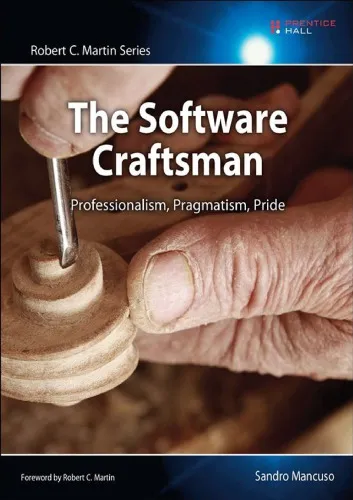
The software craftsman : professionalism, pragmatism, pride
Sandro Mancuso
English
Intermediate
Software Development
4.3 / 5
0 reviews
2015
Published
112
pages
929
views
Welcome to an exploration of what it means to be a true software craftsman. "The Software Craftsman: Professionalism, Pragmatism, Pride" by Sandro Mancuso offers a transformative journey beyond coding, diving deep into the core values and practices that define the craft of so
Before you read
What will you get from this book?
Welcome to an exploration of what it means to be a true software craftsman. "The Software Craftsman: Professionalism, Pragmatism, Pride" by Sandro Mancuso offers a transformative journey beyond coding, diving deep into the core values and practices that define the craft of software development. This book serves as a pivotal guide for both executives and professional software developers.
Detailed Summary
In "The Software Craftsman," Sandro Mancuso builds on the principles of Agile and offers insights into what it truly means to be a craftsman in the realm of software development. The book takes an in-depth look at the importance of professional attitudes that extend beyond technical expertise, rendering developers not just as code writers but as integral contributors to their organizations.
Through a series of chapters, Mancuso explores topics such as the importance of maintaining a pragmatic approach to problem-solving and the inherent pride one should take in their work. He challenges traditional views of software development by insisting on the importance of ownership, accountability, and continuous learning. Mancuso presents personal anecdotes and lessons drawn from his own extensive experience to illustrate how these principles can be practically applied in the workplace.
The book outlines a developmental path for software developers, helping them to become more resourceful and valuable in their professional roles. It stresses the importance of collaboration and mentoring in fostering an environment that nurtures the growth of craftsmen at all levels.
Key Takeaways
- Software craftsmanship is a mindset, a way of thinking that prioritizes clean code, professionalism, and continuous improvement.
- Developers should take ownership of their code and the outcomes it produces, emphasizing the value of accountability.
- The importance of nurturing a culture of learning and mentorship to foster growth and expertise in organizations.
- The balance between writing code that works and code that is well-crafted, sustainable, and maintainable.
- Prioritizing professionalism in software development, ensuring that communication, collaboration, and commitment are at the forefront.
Famous Quotes from the Book
"It's not enough to just be good at your job; you need to be constantly striving to master your craft."
"Professionalism is not about taking shortcuts for short-term gains. It's about building a reputation of reliability, trustworthiness, and high quality."
Why This Book Matters
"The Software Craftsman: Professionalism, Pragmatism, Pride" matters because it redefines what it means to be a software developer. Instead of viewing development merely as a technical exercise, Mancuso positions it as a lifelong pursuit that involves mastering the interplay between technology and human factors. Through its focus on professional ethics, pragmatism, and pride, the book provides a blueprint for a new way of thinking about software development—fostering resilience, innovation, and excellence.
This book is not just for developers but is a must-read for anyone involved in software product delivery. By emphasizing collaboration and communication, it helps teams create stronger relationships, leading to better overall software products. It challenges readers to reflect on their practices and inspires them to take meaningful action to raise their standards and continuously improve.
Overall, the insights from "The Software Craftsman" aim to influence the software industry, encouraging professionals to develop not only high-quality software but also rewarding and fulfilling careers.
Audio introductions
Persian Summary
Ask this book
Your question is answered in the context of this title and author. Each answer uses 2 points.
Sign in to ask the book assistant.
Reader reviews
0 reviews, 4.3 average out of 5
No reviews yet
If you have read this book, help the next reader with your experience.
Write a review
Sign in to publish a review.
Reader questions and answers
Ask a focused question and learn from the community.
Sign in to ask or answer a question.
No questions yet
Be the first to ask a clear, useful question.
What to read next
Related references that continue this learning path.
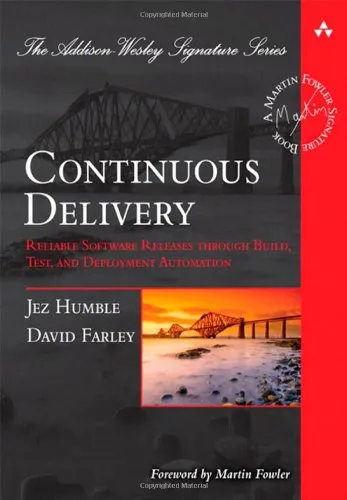
Continuous Delivery: Reliable Software Releases through Build, Test, and Deployment Automation
Jez Humble,David Farley
2010
View book
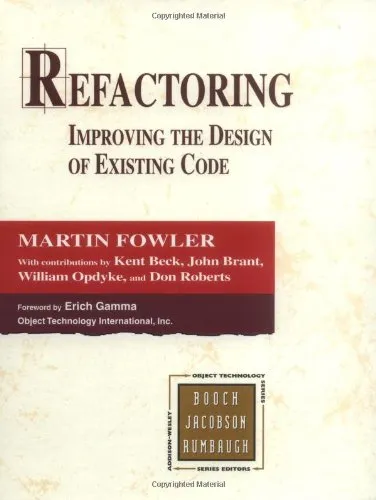
Refactoring - Improving the Design of Existing Code
Martin Fowler,Kent Beck,John Brant,William Opdyke,Don Roberts
1999
View book