
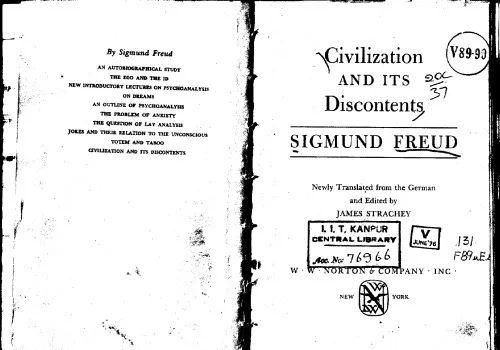
Civilization and Its Discontents
Sigmund Freud Translated From German And Edited By James Strachey.
1962
View book
Book guide and evaluation
Lars Sandman
0 reviews
Published
pages
views
Introduction to "A Good Death: On the Value of Death and Dying" Death is a universal yet deeply personal experience. My book "A Good Death: On the Value of Death and Dying" seeks to unravel the complexities surrounding this inevitable phase of life. As we journey
Before you read
Death is a universal yet deeply personal experience. My book "A Good Death: On the Value of Death and Dying" seeks to unravel the complexities surrounding this inevitable phase of life. As we journey through the narratives and philosophies that have shaped humanity's understanding of a "good death," this book invites readers into a contemplative space where cultural, ethical, and emotional dimensions are thoughtfully explored.
In "A Good Death," I delve into the philosophical underpinnings of what constitutes a good death, examining different cultural and historical perspectives. The book is divided into several parts, each focusing on various facets such as the ethical implications of assisted dying, the role of palliative care, and the significance of death rituals. By integrating stories from patients, healthcare professionals, and those who have experienced loss, the narrative offers a comprehensive view of how death can be an enriching conclusion to life rather than a stark negation of it. We explore how modern medicine and societal norms influence individual autonomy at the end of life, posing critical questions about choice, dignity, and the human spirit.
The book presents several key takeaways:
"In facing death, we are not opting for an end, but rather, embracing the full journey of life."
"The conversation about death is as crucial as the conversation about life; one cannot exist meaningfully without the other."
"Autonomy at the end of life is the truest expression of our freedom; to choose our end is to craft the final chapter of our story."
"A Good Death" matters because it confronts the silence and fear often surrounding discussions of death, urging society to view it through a lens of dignity and respect. As modern healthcare evolves, the way we perceive death could redefine our approach to life itself—highlighting the importance of choices and care in our final moments. This book serves as a crucial resource for those seeking to understand and advocate for humane approaches to the end of life, fostering informed dialogue among individuals, families, and professionals. It reminds us that death is not merely an event we face alone; it is a shared experience that holds potential for profound connection and understanding.
Your question is answered in the context of this title and author. Each answer uses 2 points.
0 reviews, 4.0 average out of 5
Sign in to publish a review.
Ask a focused question and learn from the community.
Related references that continue this learning path.
Sigmund Freud Translated From German And Edited By James Strachey.
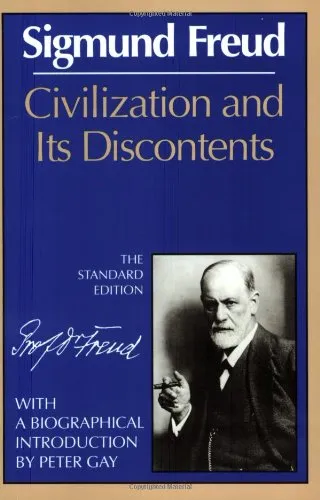
Sigmund Freud,James Strachey,Christopher Hitchens
Annalisa Colombino (editor),Heide Bruckner (editor)