Variable Properties in Language Their Nature and Acquisition (Georgetown University Round Table on Languages and Linguistics Series)
David W. Lightfoot;Jonathan Havenhill;
2019
View book
Book guide and evaluation
Jay Sacher,Mark Faulkner,Eduardo Lima Filho,Harriet Logan,Miraphora Mina
0 reviews
Published
pages
views
Introduction Language is a vast and endlessly fascinating beast, teeming with peculiarities that beg to be explored. One of its most delightful quirks is its use of collective nouns. From a "murder" of crows to a "parliament" of owls, collective nouns spark our ima
Before you read
Language is a vast and endlessly fascinating beast, teeming with peculiarities that beg to be explored. One of its most delightful quirks is its use of collective nouns. From a "murder" of crows to a "parliament" of owls, collective nouns spark our imagination and express the beauty of specificity in English.
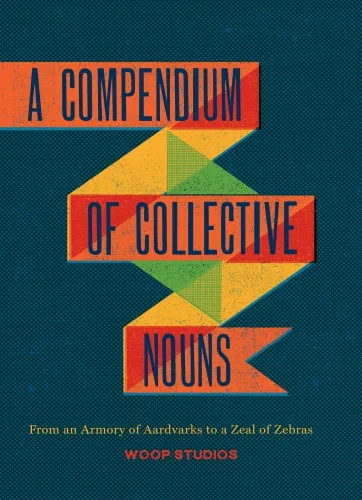
A Compendium of Collective Nouns: From an Armory of Aardvarks to a Zeal of Zebras is a joyful and clever celebration of language that showcases the wondrous taxonomy of these unique terms. Written with equal doses of wit and scholarship, this book explores the origins, meanings, and sheer creativity behind collective nouns used to describe groups of animals, objects, or people. The delightful journey through these phrases is enhanced by the book's approachable tone and playful spirit, making it a treasure for linguists and curious readers alike.
What can one expect from this book? A mixture of historical anecdotes, whimsical turns of phrase, and stunningly creative terminology that will forever change the way you classify the world. Prepare to be enchanted by the richness of the English language!
At its heart, A Compendium of Collective Nouns is a love letter to the eccentric names we give groups in our language. The book meticulously lists these nouns while also delving into their etymology, cultural significance, and the charm they add to English.
The authors open with animals, starting with terms like "a pride of lions" and "a leap of leopards." They explore not only the well-known phrases but also obscure and seldom-used ones, such as "an armory of aardvarks" and "a romp of otters." As readers move beyond the animal kingdom, they discover equally fascinating collective nouns for people and objects. In every case, the authors present historical context that explains why certain names originated.
Organized alphabetically, the book offers easy navigation through its rich repository of terms. Each entry is accompanied by a clever explanation or anecdote, keeping readers both informed and entertained. Whether it's unraveling why a group of clowns is called "an alley" or why ravens are tied to "an unkindness," the book delivers linguistic gems on every page.
"What do aardvarks and armies have in common? Both prepare for an invincible march—a natural one for aardvarks, an organized one for us."
"To call a group of parrots a 'pandemonium' is to reflect their boisterous nature in what might be the most vivid collective noun of all."
"Language is not static; our collective nouns foxtrot through history, carrying tales of whimsy, wisdom, and the joy of human invention."
In a world so often consumed by utilitarian language and pragmatic communication, A Compendium of Collective Nouns serves as a reminder of how vibrant, playful, and imaginative language can truly be.
By highlighting these peculiar phrases, the book fosters a deeper appreciation for the history and creativity embedded in the English language. It’s not just a tool for categorization; it is a gateway into humanity’s relationship with animals, objects, and ourselves. Words like "a scandal of politicians" or "a galaxy of starlets" aren’t merely descriptive—they are deeply illustrative and say much about how we see the world.
For those who love language, trivia, or simply the art of storytelling, this book opens new doors to understanding the structure and history of English. It engages readers with humor, intelligence, and a sense of wonder, ensuring its lasting relevance as both a reference and a delightful read.
Your question is answered in the context of this title and author. Each answer uses 2 points.
0 reviews, 4.5 average out of 5
Sign in to publish a review.
Ask a focused question and learn from the community.
Related references that continue this learning path.
David W. Lightfoot;Jonathan Havenhill;