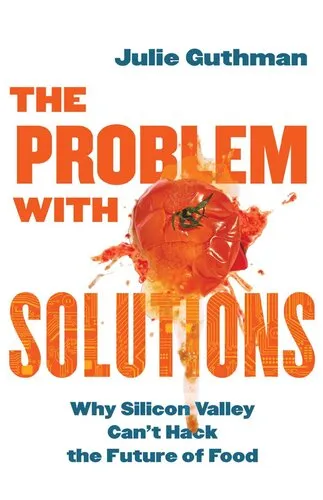
📚 چرا کتاب فیزیکی بخریم؟
- ✅ کیفیت چاپ عالی و کاغذ مرغوب
- ✅ راحتی مطالعه بدون نیاز به دستگاه
- ✅ امکان یادداشتبرداری و هایلایت
- ✅ تحویل سریع در سراسر کشور
قیمت نهایی کتاب
327,000 تومان
شامل چاپ و صحافیلذت ورق زدن یک کتاب واقعی
- سال انتشار: 2024
- صفحات: 272
- اندازه فایل: 2 MB
- زبان: English
- انتشارات: University of California Press
- تعداد مشاهده: 303
- امتیاز کاربران: 4.0
-
شابک/ISBN:
0520402685
0520402669
0520402677
9780520402669
9780520402676
9780520402683
کلمات کلیدی:

Generate PowerPoint Files with LLM
⚡️SlideGenie is an intelligent educational slide generator (Open Source Repository) that leverages the power of OpenAI API to create engaging presentations and converts Mermaid diagrams into visual assets.
Features:
- AI-powered slide content generation
- Automatic Mermaid diagram to image conversion
- Customizable slide templates
- Multi-language support
- Educational content optimization
The Problem with Solutions: Why Silicon Valley Can't Hack the Future of Food
4.0
بر اساس نظر کاربران

شما میتونید سوالاتتون در باره کتاب رو از هوش مصنوعیش بعد از ورود بپرسید
هر دانلود یا پرسش از هوش مصنوعی 2 امتیاز لازم دارد، برای بدست آوردن امتیاز رایگان، به صفحه ی راهنمای امتیازات سر بزنید و یک سری کار ارزشمند انجام بدین





خلاصه تحلیلی کتاب
کتاب The Problem with Solutions: Why Silicon Valley Can't Hack the Future of Food به بررسی ریشهای این باور رایج میپردازد که «نوآوری» و «حل مسئله» با رویکردهای Silicon Valley میتواند آیندهای پایدار برای نظام غذایی جهان رقم بزند. نویسنده، با بهرهگیری از رویکرد انتقادی و تحلیل اجتماعی، نشان میدهد که چگونه تمرکز بیش از حد بر روی مدلهای فناورمحور و استارتاپی، ممکن است نه تنها راهحلهای پایدار را به تأخیر بیاندازد، بلکه مسائل ساختاری عمیقتر صنعت غذا را نادیده بگیرد.
در این اثر، ما با مطالعه موردی نمونههایی از پروژههای تکنولوژیک در حوزه «فناوری کشاورزی» و «نوآوری غذایی» مواجه میشویم که گرچه با تبلیغات و امیدهای فراوان معرفی شدهاند، اما در عمل از حل بحرانهای واقعی، همچون دسترسی عادلانه به غذای سالم و حفاظت محیطزیست، عاجز ماندهاند.
نویسنده به دقت شبکهای از بازیگران، سرمایهگذاران و سیاستگذاران را تصویر میکند که در ساختار کنونی صنعت غذا نقش دارند و نشان میدهد که چگونه الگوهای سرمایهداری دیجیتال در بازتولید نابرابریهای غذایی مؤثر هستند. این تحلیل چندلایه، مخاطب را به تفکر دوباره درباره مفهوم «راهحل» و مسئولیت اجتماعی نوآوری دعوت میکند.
نکات کلیدی و کاربردی
یکی از محورهای اصلی کتاب، تمایز میان «حل مسئله» بهعنوان یک فرایند مشارکتی و انسانمحور، و نگاه کاهشگرایانه Silicon Valley به مسئلهزدایی از طریق فناوری است. نویسنده معتقد است که مسائل غذایی مدرن اغلب ریشه در ساختارهای اجتماعی، اقتصادی و بومشناختی دارند، نه صرفاً در نبود ابزار یا فناوری.
کتاب تأکید دارد که بهرهگیری صرف از مدلهای نوآورانه بدون توجه به زمینههای فرهنگی و اجتماعی جوامع، منجر به راهحلهای ناقص میشود. برای مثال، بسیاری از پروژههای کشاورزی هوشمند با وجود بهرهگیری از فناوریهای پیشرفته، در مواجهه با چالشهای محلی مانند کمبود منابع یا نابرابری اقتصادی، ناتوان ماندهاند.
یکی دیگر از نکات مهم مطرح شده، نقد به «نوآوری غذایی» که فقط به بازارهای مصرفی ثروتمند توجه میکند. در چنین رویکردی، دسترسی عمومی به فناوریها و محصولات نوآورانه محدود بوده و مفهوم عدالت غذایی زیر سؤال میرود.
نقلقولهای ماندگار
در طول کتاب، جملات و نکتههایی وجود دارد که بهخوبی خلاصهای از رویکرد انتقادی نویسنده را منعکس میکنند. این نقلقولها، هرچند ممکن است در ظاهر ساده باشند، اما عمق تفکر و دغدغه اجتماعی را نشان میدهند.
«گاهی اوقات بزرگترین مشکل، خود راهحل است، زمانی که بر بستر اشتباه بنا شده باشد.» نامشخص
«فناوری بدون فهم بافت اجتماعی، بیشتر به تقویت نابرابریها کمک میکند تا حل آنها.» نامشخص
«آینده غذا را نمیتوان فقط با معادلات Silicon Valley تعریف کرد.» نامشخص
چرا این کتاب اهمیت دارد
اهمیت این اثر در ترکیب تحلیل دقیق و نگاه انتقادی آن نهفته است. در زمانهای که نوآوری و فناوری، بهویژه در حوزه غذا و کشاورزی، بهعنوان کلید حل بحرانهای جهانی معرفی میشوند، این کتاب تلنگری جدی به ما میزند تا ارزیابی کنیم که آیا این مسیر در نهایت به عدالت، پایداری و امنیت غذایی میانجامد یا خیر.
از منظر پژوهشگران و فعالان حوزه غذایی، این کتاب یک مرجع مهم برای فهم ابعاد اجتماعی و سیاسی نوآوری است. همچنین، خوانندگان جدی که علاقهمند به بررسی سازوکارهای Silicon Valley هستند، بینشی تازه درباره محدودیتها و پیامدهای احتمالی این رویکرد بدست میآورند.
با بررسی دقیق نمونههای واقعی و تحلیل دادهها، نویسنده نشان داده که چرا باید تعریف «راهحل» را بازاندیشی کنیم و به جای شیدایی در برابر فناوری، به ارزشهای اجتماعی و بومشناختی وابسته باشیم.
In a time when technological innovation is lauded as the ultimate answer to humanity's greatest challenges, Silicon Valley has turned its sights on food systems, declaring itself capable of solving everything from global hunger to the climate crisis with high-tech "solutions." In my book, The Problem with Solutions: Why Silicon Valley Can't Hack the Future of Food, I explore the limitations of this techno-utopian mindset with a critical lens, particularly its tendency to overlook the deeper socio-political and ecological systems that shape the way food is produced, distributed, and consumed.
Over the past decade, an influx of venture capital into the agrifood sector has introduced laboratory-grown meats, vertical farming operations, plant-based proteins, and AI-driven agricultural tools. While these innovations are often heralded as breakthroughs, they fail to address root causes of food system inequities and environmental degradation. The book argues that Silicon Valley's "solutionism" often leads to more problems than it solves by prioritizing profit and scalability over ecological balance and social justice.
In this introduction to the central themes of the book, we'll delve into its key sections: a detailed summary of my overall argument, the key takeaways from the book, some memorable quotes, and—importantly—why this work matters now more than ever in our ongoing discussions of food and sustainability.
Detailed Summary of the Book
The Problem with Solutions begins with a critique of the mindset that pervades Silicon Valley—a belief in technology as a panacea for all problems. The first chapter contextualizes this worldview, tracing its rise from the early days of tech startups to its more recent incursion into the agrifood sector. Silicon Valley often defaults to a kind of "solutionism," where every complex system is simplified into a problem that can (and must) be solved with a technological fix.
The book then examines specific products and projects that have emerged from this mindset. From cultured meat to blockchain-based supply chains, each is scrutinized for what it does—and doesn't—achieve. While these technologies often improve efficiency or provide novel alternatives, they frequently ignore the structural inequalities and political contexts that deter true, systemic change.
The later chapters focus on the ripple effects of tech-driven food solutions. For instance, I explore how certain innovations exacerbate existing disparities, eroding smallholder farming communities, centralizing control into the hands of major firms, and perpetuating environmental harm in less visible ways. Finally, I propose pathways forward—not through rejecting innovation entirely, but rethinking the paradigm under which these innovations evolve.
Key Takeaways
- Technological solutions in food systems frequently ignore the human, social, and ecological dimensions of the problems they seek to address.
- Silicon Valley’s profit-driven, scalable model often conflicts with the localized, nuanced needs of sustainable food systems.
- Complex societal issues like hunger and food insecurity cannot be solved by technology alone; they require systemic change, including political will and community engagement.
- Current innovations might actually deepen inequalities and environmental harm by reinforcing industrialized agriculture’s dominance.
- A better approach to the future of food must prioritize ecological harmony, equity, and social justice over marketable and scalable "solutions."
Famous Quotes from the Book
"The most urgent problems in our food systems are not technological but political—and no app, algorithm, or alternative protein can correct that."
"By reducing food system challenges to problems of efficiency and productivity, Silicon Valley disregards the messy but vital complexities of real-world ecosystems."
"True innovation in food is not about creating new products; it’s about redesigning how we think about and interact with the natural world."
Why This Book Matters
The Problem with Solutions is an important contribution to the growing body of critical literature examining the role of technology in our shared futures. At its core, the book challenges readers to question the dominant narratives surrounding Silicon Valley's role in "disrupting" food systems. It highlights the dangers of allowing a technocratic, profit-centric ideology to dictate the future of food—a domain that is inseparably tied to culture, ecosystems, and social relationships.
This book matters because the stakes couldn’t be higher. Climate change, biodiversity loss, and rising inequality are pressing issues that intersect directly with how our food systems operate. By encouraging a shift away from narrow techno-fixes toward holistic, justice-oriented strategies, The Problem with Solutions calls for a future where the food we eat sustains not only humanity but the planet as a whole.
Whether you're a food advocate, policymaker, technologist, or simply someone concerned about the future of our planet, this book offers a thought-provoking critique—and an urgent call to action.
دانلود رایگان مستقیم
شما میتونید سوالاتتون در باره کتاب رو از هوش مصنوعیش بعد از ورود بپرسید
دسترسی به کتابها از طریق پلتفرمهای قانونی و کتابخانههای عمومی نه تنها از حقوق نویسندگان و ناشران حمایت میکند، بلکه به پایداری فرهنگ کتابخوانی نیز کمک میرساند. پیش از دانلود، لحظهای به بررسی این گزینهها فکر کنید.
این کتاب رو در پلتفرم های دیگه ببینید
WorldCat به شما کمک میکنه تا کتاب ها رو در کتابخانه های سراسر دنیا پیدا کنید
امتیازها، نظرات تخصصی و صحبت ها درباره کتاب را در Goodreads ببینید
کتابهای کمیاب یا دست دوم را در AbeBooks پیدا کنید و بخرید

1303
بازدید4.0
امتیاز0
نظر98%
رضایتنظرات:
4.0
بر اساس 0 نظر کاربران
Questions & Answers
Ask questions about this book or help others by answering
No questions yet. Be the first to ask!