📚 چرا کتاب فیزیکی بخریم؟
- ✅ کیفیت چاپ عالی و کاغذ مرغوب
- ✅ راحتی مطالعه بدون نیاز به دستگاه
- ✅ امکان یادداشتبرداری و هایلایت
- ✅ تحویل سریع در سراسر کشور
قیمت نهایی کتاب
304,000 تومان
شامل چاپ و صحافیلذت ورق زدن یک کتاب واقعی
- سال انتشار: 2016
- صفحات: 249
- اندازه فایل: 3 MB
- زبان: English
- انتشارات: Oxford University Press
- تعداد مشاهده: 458
- امتیاز کاربران: 4.5
-
شابک/ISBN:
9780190600068
0190600063
کلمات کلیدی:

Generate PowerPoint Files with LLM
⚡️SlideGenie is an intelligent educational slide generator (Open Source Repository) that leverages the power of OpenAI API to create engaging presentations and converts Mermaid diagrams into visual assets.
Features:
- AI-powered slide content generation
- Automatic Mermaid diagram to image conversion
- Customizable slide templates
- Multi-language support
- Educational content optimization
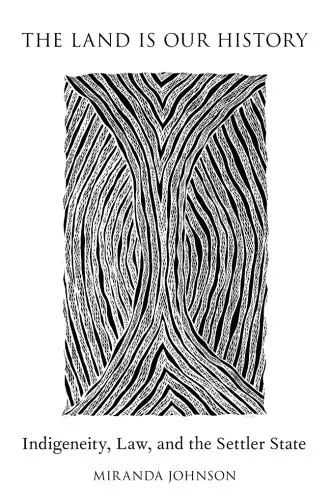
The land is our history: indigeneity, law, and the settler state
4.5
بر اساس نظر کاربران

شما میتونید سوالاتتون در باره کتاب رو از هوش مصنوعیش بعد از ورود بپرسید
هر دانلود یا پرسش از هوش مصنوعی 2 امتیاز لازم دارد، برای بدست آوردن امتیاز رایگان، به صفحه ی راهنمای امتیازات سر بزنید و یک سری کار ارزشمند انجام بدین


خلاصه تحلیلی کتاب
کتاب The land is our history: indigeneity, law, and the settler state اثری عمیق و پژوهشمحور است که به بررسی پیوند پیچیده میان حقوق، هویت بومی (Indigeneity) و ساختار دولتهای مهاجرنشین میپردازد. نویسنده با رویکردی تاریخی-تحلیلی نشان میدهد که چگونه بومیان در جوامع تحت سیطره استعمار، از زبان حقوق برای بازتعریف جایگاه خود استفاده کردهاند و این مسیر تا امروز چه تحولات و چالشهایی به همراه داشته است.
در این اثر، تاریخ معاصر کشورهای مهاجرنشین با تمرکز بر روابط میان دولت و جوامع بومی، در بستر تحولات حقوقی و سیاسی بررسی میشود. نویسنده با تحلیل پروندهها، قوانین و گفتوگوهای تاریخی، تصویری شفاف از فرآیندهای مقاومت بومی و نقش حقوق در تثبیت یا به چالش کشیدن قدرت دولتی ترسیم میکند.
اطلاعات نامشخص در مورد سال دقیق انتشار یا افتخارات کتاب ذکر شده، چرا که منبع معتبر در دسترس نیست؛ با این حال، محتوای کتاب نشاندهنده جایگاه آن بهعنوان منبعی ارزشمند در مطالعات استعمار و حقوق بومیان است.
نکات کلیدی و کاربردی
این کتاب فراتر از یک روایت تاریخی، راهنمایی برای فهم عمیقتر تقابل و تعامل میان جوامع بومی و دولتهای مهاجرنشین است. چند نکته کلیدی که خواننده میتواند از آن بهرهمند شود:
۱. نقش حقوق بهعنوان ابزار مقاومت و مذاکره برای بومیان در برابر ساختارهای حاکم.
۲. اهمیت روایت و حافظه جمعی در شکلگیری هویت و مطالبهگری سیاسی.
۳. بررسی مطالعات موردی که نشان میدهند قوانین رسمی هم میتوانند در خدمت تثبیت سلطه باشند و هم ابزار تغییر.
۴. ترکیب تحلیل حقوقی با نگرش فرهنگی و تاریخی برای فهم بهتر زمینههای اجتماعی.
۵. توجه به ظرفیتهای همکاری و همزیستی در کنار تضادها و تعارضات تاریخی.
نقلقولهای ماندگار
این بخش گزیدههایی از جملات تاثیرگذار کتاب را ارائه میکند که روح و هدف پژوهش را بازتاب میدهد.
«زمین تنها یک دارایی نیست؛ زمین حافظه و هویت ماست.» نامشخص
«حقوق وقتی معنا دارد که صدای بومیان در آن شنیده شود.» نامشخص
چرا این کتاب اهمیت دارد
در جهان امروز که مباحث مربوط به حقوق بومیان و عدالت تاریخی پررنگتر شده، این کتاب بهدلیل رویکرد چندلایه و تحلیل جامع خود، جایگاه ویژهای دارد. نهتنها پژوهشگران حقوق و تاریخ بلکه فعالان اجتماعی و فرهنگی نیز میتوانند از دیدگاههای آن بهرهمند شوند.
این کتاب با تمرکز بر پیوستگی هویت و زمین، به ما یادآوری میکند که فهم گذشته و مبارزات حقوقی بومیان، ضرورتی برای ترسیم آیندهای عادلانهتر است. همچنین نشان میدهد که مطالعه تعامل میان دولتهای مهاجرنشین و جوامع بومی، برای فهم سیاست امروز و فردا حیاتی است.
نتیجهگیری الهامبخش
کتاب The land is our history: indigeneity, law, and the settler state نهتنها روایتگر تاریخ و حقوق است، بلکه دعوتی برای بازاندیشی در رابطه میان زمین، هویت و عدالت میباشد. مطالعه این کتاب فرصتی است برای درک عمیقتر مبارزات و دستاوردهای جوامع بومی و همچنین بازشناسی نقش ما در ایجاد آیندهای همدلانهتر.
اگر به مباحث حقوق بومیان، تاریخ استعمار و راههای ساختن جهانی عادلانهتر علاقه دارید، این اثر را
Analytical Summary
The land is our history: indigeneity, law, and the settler state is a meticulously researched work that delves into the complex intersections between Indigenous histories, legal structures, and the enduring impact of settler colonialism. Authored by historian Miranda C. L. Johnson, this book offers readers a profound exploration of how law has functioned both as a mechanism of dispossession and as a potential tool for recognition and redress. It examines the relationships between Indigenous peoples and the states that colonized their lands, tracing narratives through landmark legal cases, constitutional reforms, and grassroots activism.
Johnson employs a comparative framework, drawing on examples from Australia, Canada, and New Zealand to illuminate the broader patterns of legal engagement between Indigenous communities and settler governments. This approach allows for a nuanced understanding of how different jurisdictions have acknowledged, resisted, or reshaped Indigenous rights. It is a scholarly work firmly grounded in historical analysis, yet equally attentive to contemporary political and legal debates.
Readers encounter not simply a chronicle of the past but an ongoing conversation about sovereignty, self-determination, and the legal recognition of Indigenous peoples’ distinct status within modern nation-states. The narrative handles the tensions between historical memory and legal precedent, demonstrating how Indigenous identity is continually negotiated through law and public policy.
Key Takeaways
This work provides several vital insights into the legal and political landscapes shaped by settler colonialism and Indigenous resistance.
First, it underscores the importance of historical consciousness in legal reforms. By showing how past injustices inform contemporary claims, Johnson connects the threads between memory and law.
Second, the book illustrates the paradox of legal systems that both marginalize and empower Indigenous voices. This tension is central to understanding Indigenous sovereignty and settler colonial legal frameworks today.
Third, The land is our history: indigeneity, law, and the settler state challenges readers to think critically about the foundations of their own legal and national systems. It invites reflection on how histories of colonization continue to shape societal structures.
Finally, it offers the prospect of transformation through sustained activism, informed policy-making, and intercultural dialogue.
Memorable Quotes
“Law remembers differently than people do; its records are selective, and its memory is archival rather than lived.” Unknown
“To see the land as history is to acknowledge the stories embedded in its soil and the claims sustained across generations.” Unknown
“Indigenous sovereignty is not granted by law; it exists despite it.” Unknown
Why This Book Matters
The land is our history: indigeneity, law, and the settler state is a cornerstone text for understanding the legal-political dynamics of colonial and postcolonial societies.
Its comparative analysis equips scholars, legal professionals, and policy-makers with the tools to engage meaningfully with Indigenous claims. By confronting the legacies of dispossession, this book fosters a deeper appreciation of the ongoing struggles for justice, sustainability, and cultural survival faced by Indigenous communities worldwide.
Moreover, its interdisciplinary nature makes it valuable not only to historians and legal scholars but also to anthropologists, political scientists, and activists seeking to bridge the gap between theory and practice.
Inspiring Conclusion
The land is our history: indigeneity, law, and the settler state invites readers into an informed and critical examination of how past and present intertwine in the shaping of Indigenous futures.
This book stands as a testament to the necessity of engaging with history, law, and identity in ways that honor Indigenous voices. It challenges scholars, practitioners, and citizens alike to consider their role in either perpetuating or dismantling the structures of colonial power.
The journey through its pages reveals that understanding legal frameworks is not sufficient – one must also listen to the lived realities and historical continuities that shape those laws. As you close the cover on The land is our history: indigeneity, law, and the settler state, take the next step: discuss its insights, share its challenges, and integrate its lessons into your work and community engagement.
دانلود رایگان مستقیم
شما میتونید سوالاتتون در باره کتاب رو از هوش مصنوعیش بعد از ورود بپرسید
دسترسی به کتابها از طریق پلتفرمهای قانونی و کتابخانههای عمومی نه تنها از حقوق نویسندگان و ناشران حمایت میکند، بلکه به پایداری فرهنگ کتابخوانی نیز کمک میرساند. پیش از دانلود، لحظهای به بررسی این گزینهها فکر کنید.
این کتاب رو در پلتفرم های دیگه ببینید
WorldCat به شما کمک میکنه تا کتاب ها رو در کتابخانه های سراسر دنیا پیدا کنید
امتیازها، نظرات تخصصی و صحبت ها درباره کتاب را در Goodreads ببینید
کتابهای کمیاب یا دست دوم را در AbeBooks پیدا کنید و بخرید

1458
بازدید4.5
امتیاز0
نظر98%
رضایتنظرات:
4.5
بر اساس 0 نظر کاربران
Questions & Answers
Ask questions about this book or help others by answering
No questions yet. Be the first to ask!