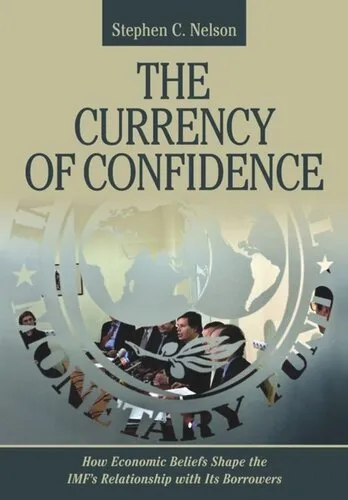
The Currency of Confidence: How Economic Beliefs Shape the IMF's Relationship with Its Borrowers
4.3
بر اساس نظر کاربران
شما میتونید سوالاتتون در باره کتاب رو از هوش مصنوعیش بعد از ورود بپرسید
Each download or book AI question costs 2 points. Purchase more pointsکتاب های مرتبط:
خلاصه تحلیلی کتاب
کتاب The Currency of Confidence: How Economic Beliefs Shape the IMF's Relationship with Its Borrowers اثر من، استفن سی. نلسون، به شکلی جامع به بررسی نحوه شکلگیری و اثرگذاری باورهای اقتصادی بر روابط بین صندوق بینالمللی پول (IMF) و کشورهای وامگیرنده میپردازد. این اثر در حوزه اقتصاد سیاسی بینالملل جای میگیرد و میکوشد نشان دهد که چگونه ادراکات و تفسیرهای اقتصادی تصمیمگیرندگان و نخبگان، بر نحوه تعامل آنان با IMF تأثیر مستقیم دارد.
در این کتاب، با بهرهگیری از تحلیلهای موردی و دادههای تجربی، نشان دادهام که اعتماد، یک مفهوم صرفاً روانشناختی نیست بلکه همانند یک «ارز» عمل میکند؛ ارزی که ارزش آن بر پایه برداشت مشترک از شرایط اقتصادی، تعهدات سیاستی و انتظارات آینده شکل میگیرد. رابطه IMF با وامگیرندگان، به شدت تحت تأثیر این ارز نامرئی اما مهم قرار دارد.
نکات کلیدی و کاربردی
یکی از پیامهای اصلی کتاب این است که تعاملات مالی و سیاسی بین نهادهای بینالمللی و دولتها، صرفاً بر پایه اعداد و شاخصهای اقتصادی شکل نمیگیرد، بلکه باورهای حاکم بر ذهن تصمیمگیرندگان نیز نقشی تعیینکننده دارند. این باورها، گاهی حتی بیش از شاخصهای واقعی اقتصاد کلان، مسیر مذاکرات و سطح اعتماد متقابل را میسازند.
از نکات مهم دیگر، توجه به نقش «پیشفرضهای فکری» در سیاستگذاری اقتصادی است. اگر یک دولت باور داشته باشد که سیاست ریاضت اقتصادی به رشد بلندمدت میانجامد، احتمالا همکاری بیشتری با IMF خواهد داشت، حتی اگر دادهها شواهد دیگری ارائه دهند. این دیدگاه، نشانگر اهمیت تحلیل کیفی در کنار تحلیل کمی در اقتصاد سیاسی بینالملل است.
کتاب همچنین به پژوهشگران هشدار میدهد که صرفاً مطالعه رفتارهای اقتصادی بدون درک زمینههای فکری و باورهای شکلدهنده آنها، ممکن است به تحلیلهایی ناقص یا خطاهای راهبردی منجر شود.
نقلقولهای ماندگار
«اعتماد، همانند یک ارز است؛ ارزی که ارزش آن از باورهای مشترک و پایداری سیاستها برمیخیزد.» نامشخص
«بدون همسویی فکری، حتی بهترین طرحهای اقتصادی به ثمر نمینشینند.» نامشخص
چرا این کتاب اهمیت دارد
اهمیت کتاب در این است که فضای پنهان شکلدهنده روابط مالی بینالمللی را برای خواننده آشکار میکند. بسیاری تصور میکنند که IMF صرفاً بر اساس محاسبات عددی و مدلهای اقتصادی تصمیمگیری میکند، اما این اثر نشان میدهد که باورهای اقتصادی، روایتها و چارچوبهای تحلیلی نیز به همان اندازه مهم هستند.
برای پژوهشگران اقتصاد سیاسی بینالملل، کتاب من نهتنها ابزاری برای فهم بهتر روابط IMF و اعضای آن است، بلکه الگویی برای بررسی سایر نهادهای بینالمللی نیز فراهم میآورد. این جنبه چندبُعدی کتاب، آن را به منبعی ارزشمند برای تدریس، تحقیق و حتی تدوین سیاستهای عمومی تبدیل کرده است.
نتیجهگیری الهامبخش
در پایان، کتاب The Currency of Confidence: How Economic Beliefs Shape the IMF's Relationship with Its Borrowers یادآور میشود که اقتصاد جهانی تنها با عدد و نمودار تعریف نمیشود؛ بلکه روابط انسانی، درک مشترک و اعتماد متقابل همانند موتورهای محرک آن عمل میکنند. این کتاب پلی است میان دانش کمی و بینش کیفی، و مطالعه آن میتواند نگاه شما به سیاستگذاری بینالمللی را دگرگون کند. از شما دعوت میکنم این اثر را با دقت مطالعه کرده و دریچههای تازهای به فهم اقتصاد سیاسی بینالملل بگشایید یا مقاله و برداشت خود را با دیگران
Analytical Summary
In The Currency of Confidence: How Economic Beliefs Shape the IMF's Relationship with Its Borrowers, Stephen C. Nelson offers a rigorous and intellectually compelling exploration of the intersection between economic ideas and international financial diplomacy. This influential work examines how shared and contested beliefs about economic management influence the decisions, strategies, and relationships forged between the International Monetary Fund (IMF) and its borrowing countries.
Drawing from case studies, policy documents, and in-depth analysis, the book delves into the subtle yet powerful ways in which ideological alignment or divergence can facilitate or hinder cooperation between the IMF and sovereign governments. Nelson highlights that beyond the structural economic metrics, underlying economic philosophies—whether rooted in neoliberal orthodoxy, Keynesian interventionism, or other schools of thought—play a decisive role in shaping policy agreements and long-term outcomes.
This analytical narrative situates the IMF not simply as a technocratic institution, but as a political and ideological actor embedded in a complex network of global governance. By unpacking the relational dynamics, Nelson illuminates a crucial dimension often overlooked in traditional accounts of international monetary policy, offering readers fresh perspectives that blend political economy, economic sociology, and international relations scholarship.
Key Takeaways
Readers will come away with a deeper understanding of how economic beliefs—shared or contested—serve as a form of "currency" in global financial negotiations, profoundly influencing the IMF's effectiveness and legitimacy.
One key insight is that alignment in economic ideology between the IMF and borrower governments often leads to smoother negotiations and more sustained policy implementation. Conversely, ideological discord can exacerbate tensions, making agreements fragile or short-lived.
Another takeaway is Nelson's argument that the IMF’s role extends beyond economics into the realm of shaping and sustaining global economic discourse, affecting the confidence of markets, governments, and civil society alike.
Importantly, the book urges policymakers, scholars, and practitioners to consider the implicit beliefs and assumptions driving international financial decisions, opening new avenues for designing more equitable and effective policy frameworks.
Memorable Quotes
Economic confidence is as much a product of belief as it is of balance sheets.Unknown
Understanding the IMF means understanding the ideas that underpin its actions.Unknown
Global financial cooperation is sustained not solely by rules, but by shared convictions.Unknown
Why This Book Matters
The stakes of international financial governance are enormous, affecting economic stability and political sovereignty worldwide. Yet too often, discourse reduces these dynamics to technical calculations, ignoring the role of belief systems.
The Currency of Confidence: How Economic Beliefs Shape the IMF's Relationship with Its Borrowers matters because it bridges the gap between technical policy analysis and the ideological dimensions that animate global economic governance. Nelson’s critical perspective provides tools for recognizing, dissecting, and evaluating the assumptions silently embedded within economic policymaking.
Whether you are an academic researcher, a practitioner in global finance, or a policymaker seeking a more nuanced understanding of IMF operations, this book enriches your grasp of the dynamic interplay between confidence, belief, and financial policy.
Inspiring Conclusion
In a world where economic stability is constantly tested by shifting markets and evolving political landscapes, The Currency of Confidence: How Economic Beliefs Shape the IMF's Relationship with Its Borrowers offers an invaluable lens for understanding how trust and ideology shape outcomes in international finance.
Nelson’s work inspires readers to question the taken-for-granted assumptions underlying global economic governance and encourages a more reflective approach to IMF engagement. This book invites its audience to engage deeply: read it, share its insights, discuss them among peers, and apply its lessons to both academic inquiry and practical policymaking.
Book download
شما میتونید سوالاتتون در باره کتاب رو از هوش مصنوعیش بعد از ورود بپرسید
دسترسی به کتابها از طریق پلتفرمهای قانونی و کتابخانههای عمومی نه تنها از حقوق نویسندگان و ناشران حمایت میکند، بلکه به پایداری فرهنگ کتابخوانی نیز کمک میرساند. پیش از دانلود، لحظهای به بررسی این گزینهها فکر کنید.
این کتاب رو در پلتفرم های دیگه ببینید
WorldCat به شما کمک میکنه تا کتاب ها رو در کتابخانه های سراسر دنیا پیدا کنید
امتیازها، نظرات تخصصی و صحبت ها درباره کتاب را در Goodreads ببینید
کتابهای کمیاب یا دست دوم را در AbeBooks پیدا کنید و بخرید
1353
بازدید4.3
امتیاز0
نظر98%
رضایتنظرات:
4.3
بر اساس 0 نظر کاربران
Questions & Answers
Ask questions about this book or help others by answering
No questions yet. Be the first to ask!