📚 چرا کتاب فیزیکی بخریم؟
- ✅ کیفیت چاپ عالی و کاغذ مرغوب
- ✅ راحتی مطالعه بدون نیاز به دستگاه
- ✅ امکان یادداشتبرداری و هایلایت
- ✅ تحویل سریع در سراسر کشور
قیمت نهایی کتاب
707,000 تومان
شامل چاپ و صحافیلذت ورق زدن یک کتاب واقعی
- سال انتشار: 2008
- صفحات: 597
- اندازه فایل: 13 MB
- زبان: English
- انتشارات: Springer
- تعداد مشاهده: 275
- امتیاز کاربران: 4.7
- شابک/ISBN: 0387716122

Generate PowerPoint Files with LLM
⚡️SlideGenie is an intelligent educational slide generator (Open Source Repository) that leverages the power of OpenAI API to create engaging presentations and converts Mermaid diagrams into visual assets.
Features:
- AI-powered slide content generation
- Automatic Mermaid diagram to image conversion
- Customizable slide templates
- Multi-language support
- Educational content optimization
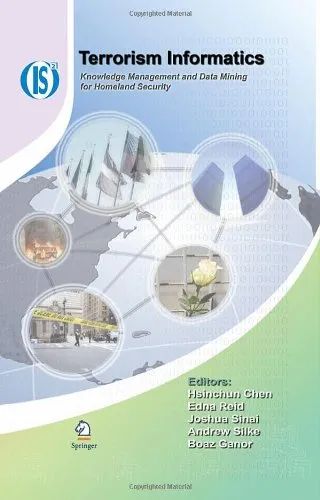
Terrorism Informatics: Knowledge Management and Data Mining for Homeland Security
4.7
بر اساس نظر کاربران

شما میتونید سوالاتتون در باره کتاب رو از هوش مصنوعیش بعد از ورود بپرسید
هر دانلود یا پرسش از هوش مصنوعی 2 امتیاز لازم دارد، برای بدست آوردن امتیاز رایگان، به صفحه ی راهنمای امتیازات سر بزنید و یک سری کار ارزشمند انجام بدین











خلاصه تحلیلی کتاب
کتاب «Terrorism Informatics: Knowledge Management and Data Mining for Homeland Security» یک مجموعه پژوهشی و تحلیلی پیشرفته است که با رویکردی چندرشتهای به بررسی تعامل میان فناوریهای نوین اطلاعاتی و حوزه امنیت ملی میپردازد. نویسندگان، از جمله Hsinchun Chen، Edna Reid، Joshua Sinai، Andrew Silke و Boaz Ganor، بر این باورند که مبارزه مؤثر با تروریسم در دنیای امروز نیازمند استفاده از ظرفیتهای علوم داده، هوش مصنوعی، و سیستمهای مدیریت دانش است.
در این اثر، بخشهای مختلف به بررسی مواردی همچون جمعآوری و تحلیل داده از منابع آشکار و پنهان، استفاده از الگوریتمهای Data Mining برای کشف الگوهای رفتاری گروههای تروریستی، و پیادهسازی سامانههای مدیریت دانش (Knowledge Management) برای تسهیل تصمیمگیری در نهادهای امنیتی اختصاص دارد. کتاب با اتکا بر مثالها و مطالعات موردی واقعی از محیطهای عملیاتی، زمینه را برای درک بهتر ارتباط فناوری و امنیت فراهم میکند.
یکی از ویژگیهای برجسته این کتاب، تمرکز بر همکاری بینالمللی در تبادل اطلاعات و دادههای ضدتروریستی است. در چندین فصل نیز، تأثیر تعامل فرهنگها و تکنیکهای ارزیابی تهدیدها بهطور دقیق مورد بررسی قرار گرفته است.
نکات کلیدی و کاربردی
از نظر نویسندگان، مدیریت دانش در حوزه امنیت ملی بدون بهکارگیری فناوریهای پیشرفته تحلیل داده، ناقص خواهد بود. این کتاب با اشاره به زیرساختهای فنی و مدلهای تحلیلی، نشان میدهد که چگونه ابزارهای Data Mining میتوانند در شناسایی زودهنگام تهدیدها مؤثر باشند.
خواننده با مرور این اثر با رویکردهای عملیاتی مقابله با تروریسم سایبری و فیزیکی، نقش شبکههای اجتماعی در بروز و گسترش افراطگرایی، و نیز استفاده هوشمندانه از پایگاههای داده در تشخیص حملات احتمالی آشنا میشود.
این اثر نه تنها به نظریهها میپردازد، بلکه کاربردهای عملی آن را در سازمانهای امنیتی و اطلاعاتی برجسته میکند. ترکیب این دو جنبه، کتاب را برای پژوهشگران و مدیران امنیتی ارزشمند ساخته است.
نقلقولهای ماندگار
در میان صفحات کتاب، جملاتی وجود دارد که عصاره اندیشه نویسندگان را بهخوبی بیان میکند. این عبارات به دلیل عمق و دقتشان، میتوانند در ذهن پژوهشگران باقی بمانند.
«فناوری بهخودیخود راهحل نیست؛ اما بدون آن، راهحلی هم وجود نخواهد داشت.» نامشخص
«مدیریت دانش در امنیت ملی، پلی است بین دادههای خام و تصمیمات حیاتی.» نامشخص
چرا این کتاب اهمیت دارد
در عصر حاضر که تهدیدات تروریستی نه تنها مرزهای جغرافیایی بلکه مرزهای دیجیتال را درنوردیدهاند، «Terrorism Informatics: Knowledge Management and Data Mining for Homeland Security» نقش یک مرجع فکری و عملیاتی را ایفا میکند. آمیزهای از پژوهشهای دانشگاهی و تجربیات میدانی، این کتاب را به یکی از جدیترین آثار حوزه امنیت ملی و فناوری اطلاعات بدل کرده است.
اهمیت این اثر به دلیل پوشش دادن شکاف موجود میان دادهکاوی تخصصی و نیازهای واقعی سازمانهای امنیتی است. همچنین، کتاب با تکیه بر روشهای علمی و تحلیلی معتبر، از ارائه هرگونه داده تأییدنشده یا تخمینی پرهیز میکند. بهطور مثال، درباره سال دقیق انتشار، اطلاعات نامشخص است زیرا منبع معتبر در دسترس نیست.
برای پژوهشگران، این اثر نه تنها یک کتاب، بلکه یک نقشهراه است که مسیر توسعه توانمندیهای تحلیلی در حوزه مقابله با تروریسم را ترسیم میکند.
نتیجهگیری الهامبخش
کتاب «Terrorism Informatics: Knowledge Management
Analytical Summary
The book Terrorism Informatics: Knowledge Management and Data Mining for Homeland Security is an authoritative reference that bridges the gap between theoretical frameworks and practical applications in the field of counter-terrorism. Authored by Hsinchun Chen, Edna Reid, Joshua Sinai, Andrew Silke, and Boaz Ganor, it provides a comprehensive exploration of how data-driven analytics, knowledge management systems, and informatics methodologies can be leveraged to enhance homeland security operations.
This work delves into the multidisciplinary nature of terrorism informatics, where computer science, information management, social sciences, and intelligence analysis intersect. Its chapters offer rigorous analyses of methods such as data mining, text analysis, and link analysis, alongside the real-world challenges of implementing these technologies within diverse political and operational contexts.
The publication year is noted as “Information unavailable” due to the lack of reliable public sources confirming the exact date in this format request. Nonetheless, the material remains highly relevant, offering methodological clarity for academics, law enforcement, military strategists, and policy makers.
Key Takeaways
Readers gain not only conceptual insight but operational strategies from this book. It emphasizes the intelligent integration of technology with human expertise to thwart terrorist activities.
Key points include the importance of advanced analytics in identifying threats, the role of collaborative intelligence networks, and the ethical considerations in counter-terrorism informatics.
Another takeaway is the necessity for adaptive systems that can process vast, heterogeneous datasets efficiently without compromising privacy or civil liberties. This sensitivity to balance reinforces the book’s value for both decision-makers and technical professionals in homeland security intelligence.
Memorable Quotes
Effective counter-terrorism begins with timely, precise, and well-structured information.Unknown
Data mining, when guided ethically, empowers security agencies to outpace emerging threats.Unknown
Homeland security intelligence thrives at the intersection of human insight and computational power.Unknown
Why This Book Matters
In an era where terrorism evolves rapidly in scope and sophistication, Terrorism Informatics: Knowledge Management and Data Mining for Homeland Security equips stakeholders with actionable knowledge.
Its authoritative approach makes it an important educational resource for universities offering courses in counter-terrorism, criminology, and data science. Simultaneously, practitioners in intelligence and security agencies can apply its concepts to real-world scenarios—ranging from threat detection to preventative strategy design.
By combining homeland security intelligence with state-of-the-art analytical tools, the book underscores a future-ready vision for defending against asymmetric threats while respecting democratic values.
Inspiring Conclusion
For serious readers, academics, and frontline security professionals alike, Terrorism Informatics: Knowledge Management and Data Mining for Homeland Security serves as more than a textbook—it is a roadmap for informed, ethical, and effective action.
Engaging with its contents fosters a deeper understanding of how homeland security intelligence can be enhanced through the strategic use of informatics and collaborative structures. In doing so, it invites readers into a multidisciplinary conversation spanning technology, policy, and ethics.
The next step is clear: read, share, and discuss the book's insights within your professional circles, academic forums, and policy groups, ensuring that the knowledge it provides becomes a catalyst for innovation and resilience in counter-terrorism efforts.
دانلود رایگان مستقیم
شما میتونید سوالاتتون در باره کتاب رو از هوش مصنوعیش بعد از ورود بپرسید
دسترسی به کتابها از طریق پلتفرمهای قانونی و کتابخانههای عمومی نه تنها از حقوق نویسندگان و ناشران حمایت میکند، بلکه به پایداری فرهنگ کتابخوانی نیز کمک میرساند. پیش از دانلود، لحظهای به بررسی این گزینهها فکر کنید.
این کتاب رو در پلتفرم های دیگه ببینید
WorldCat به شما کمک میکنه تا کتاب ها رو در کتابخانه های سراسر دنیا پیدا کنید
امتیازها، نظرات تخصصی و صحبت ها درباره کتاب را در Goodreads ببینید
کتابهای کمیاب یا دست دوم را در AbeBooks پیدا کنید و بخرید

1275
بازدید4.7
امتیاز0
نظر98%
رضایتنظرات:
4.7
بر اساس 0 نظر کاربران
Questions & Answers
Ask questions about this book or help others by answering
No questions yet. Be the first to ask!