📚 چرا کتاب فیزیکی بخریم؟
- ✅ کیفیت چاپ عالی و کاغذ مرغوب
- ✅ راحتی مطالعه بدون نیاز به دستگاه
- ✅ امکان یادداشتبرداری و هایلایت
- ✅ تحویل سریع در سراسر کشور
قیمت نهایی کتاب
430,000 تومان
شامل چاپ و صحافیلذت ورق زدن یک کتاب واقعی
- سال انتشار: 1992
- صفحات: 375
- اندازه فایل: 8 MB
- زبان: English
- انتشارات: Springer-Verlag Berlin Heidelberg
- تعداد مشاهده: 248
- امتیاز کاربران: 4.5
-
شابک/ISBN:
978-3-642-84407-2
978-3-642-84405-8
کلمات کلیدی:

Generate PowerPoint Files with LLM
⚡️SlideGenie is an intelligent educational slide generator (Open Source Repository) that leverages the power of OpenAI API to create engaging presentations and converts Mermaid diagrams into visual assets.
Features:
- AI-powered slide content generation
- Automatic Mermaid diagram to image conversion
- Customizable slide templates
- Multi-language support
- Educational content optimization
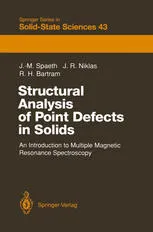
Structural Analysis of Point Defects in Solids: An Introduction to Multiple Magnetic Resonance Spectroscopy
4.5
بر اساس نظر کاربران

شما میتونید سوالاتتون در باره کتاب رو از هوش مصنوعیش بعد از ورود بپرسید
هر دانلود یا پرسش از هوش مصنوعی 2 امتیاز لازم دارد، برای بدست آوردن امتیاز رایگان، به صفحه ی راهنمای امتیازات سر بزنید و یک سری کار ارزشمند انجام بدین



معرفی کتاب: تحلیل ساختاری نقصهای نقطهای در جامدات
کتاب Structural Analysis of Point Defects in Solids: An Introduction to Multiple Magnetic Resonance Spectroscopy یکی از آثار برجسته در زمینه مطالعه نقصهای نقطهای در مواد جامد است. این کتاب که به قلم پروفسور دکتر یوهان-مارتین اسپت، پروفسور دکتر خصوصی یورگن آر. نیکلاس و پروفسور رالف اچ. بارتام تألیف شده، بهطور جامع به تحلیل نقصها از طریق تکنیکهای پیشرفتهای مانند spectroscopies متعددی از جمله Electron Paramagnetic Resonance (EPR) و Nuclear Magnetic Resonance (NMR) میپردازد. رویکردی جامع و در عین حال آموزشی در این اثر، آن را به منبعی ایدهآل برای دانشجویان، پژوهشگران و متخصصان علوم مواد و فیزیک حالت جامد تبدیل کرده است.
خلاصه کتاب
این کتاب با تمرکز اصلی بر طیفسنجیهای مغناطیسی، به بررسی نقایص نقطهای از منظر ساختاری، دینامیکی و الکترونیکی میپردازد. نقصهای نقطهای، ناهنجاریهای اتمی در ساختار بلوری مواد هستند که میتوانند به شکل جاهای خالی یا اتمهایی جایگزین ظاهر شوند. این نقصها به طرز چشمگیری خواص فیزیکی مواد را تحت تأثیر قرار داده و در کاربردهایی مانند نیمههادیها اهمیت ویژهای دارند. نویسندگان در این کتاب با ترکیب روشهای مختلف طیفسنجی، بینشی عمیق از اثر متقابل نقصها با محیط اطراف ارائه میدهند. همچنین، نحوه استفاده از تکنیکهای پیشرفتهای نظیر ENDOR، ESE و Double Resonance برای شناسایی این نقصها بهتفصیل بحث شده است. کتاب بهنحوی نگاشته شده که حتی خوانندگانی که آشنایی محدودی با این روشها دارند نیز میتوانند از آن استفاده کنند.
نکات کلیدی
- معرفی جامع به مفاهیم پایهای Electron Paramagnetic Resonance (EPR).
- تکنیکهای پیشرفته در تحلیل نقصهای نقطهای از جمله ENDOR و Double Resonance.
- بررسی تعامل نقصها با میدانهای الکتریکی و مغناطیسی.
- ارائه رویکردی تعاملی برای درک دینامیک نقصهای نقطهای.
- بخش ویژهای در توضیح تأثیر نقایص بر خواص اپتیکی و مغناطیسی مواد.
جملات معروف از کتاب
"Point defects in solids are not just disturbances in the lattice— they hold the key to unlocking a material's true capabilities."
"Resonances are the fingerprints of atomic-level interactions."
چرا این کتاب اهمیت دارد؟
کتاب Structural Analysis of Point Defects in Solids درواقع پلی میان علم مواد و فیزیک حالت جامد است و به خوانندگان ابزارهایی را برای درک و شناخت تأثیر نواقص نقطهای ارائه میدهد. در دنیای امروز که فناوریهایی مانند تراشههای نیمههادی و دستگاههای نوری پیشرفت چشمگیری داشتهاند، شناخت این نقصها اهمیت فزایندهای پیدا کرده است. این کتاب نهتنها به شناسایی نقصها کمک میکند، بلکه از آن مهمتر، نحوه استفاده خلاقانه از این نقصها برای طراحی مواد پیشرفتهتر را آموزش میدهد. همین ویژگیها کتاب را به منبعی ارزشمند برای تحقیقات پایه و نیز کارهای کاربردی تبدیل کرده است.
Introduction
Welcome to "Structural Analysis of Point Defects in Solids: An Introduction to Multiple Magnetic Resonance Spectroscopy," a cornerstone text that delves deeply into the intricate world of point defects in solid materials. Authored by Professor Dr. Johann-Martin Spaeth, Priv.-Doz. Dr. Jürgen R. Niklas, and Professor Ralph H. Bartram, this book offers a comprehensive exploration of how multiple magnetic resonance techniques can be harnessed to investigate the structural, electronic, and dynamical properties of point defects.
Point defects in solids play a critical role in determining the physical, chemical, and electronic properties of materials. These imperfections, though minute, significantly impact various applications, ranging from semiconductors to optoelectronics and quantum technologies. This book is a meticulously crafted guide for scientists and researchers who want to uncover the structural intricacies of point defects using magnetic resonance spectroscopy.
Structured with precision and clarity, this text introduces the reader to the theoretical framework, experimental methodologies, and practical applications of Electron Paramagnetic Resonance (EPR), Electron-Nuclear Double Resonance (ENDOR), and related techniques. Targeting both seasoned researchers and those new to the field, the book offers carefully curated examples and case studies to contextualize this powerful approach within a broad spectrum of scientific investigations.
Detailed Summary of the Book
"Structural Analysis of Point Defects in Solids" is divided into key chapters that build on one another, forming a cohesive narrative around magnetic resonance techniques and their application to point defect analysis. The book begins by introducing fundamental concepts such as the nature of point defects and the basic principles of magnetic resonance spectroscopy. It then delves deeper into advanced methodologies, including:
- Electron Paramagnetic Resonance (EPR) for studying unpaired electron systems.
- Electron-Nuclear Double Resonance (ENDOR) to probe interactions at the atomic scale.
- Other advanced techniques like high-field EPR and pulsed techniques.
Each chapter is carefully structured, providing historical context, theoretical grounding, and practical examples. Detailed discussions on computational techniques, simulation methods, and the integration of spectroscopic data into defect models make this book an invaluable resource for understanding the structural properties of defects.
The book is particularly unique in addressing multiple spectroscopic techniques comprehensively, allowing the reader to compare and integrate results across methods. From localized defect states in ionic crystals to defect behavior in technologically relevant materials like semiconductors, the case studies are chosen strategically to represent real-world applications.
Key Takeaways
- Gain an in-depth understanding of point defects and their role in the properties of solids.
- Learn how multiple magnetic resonance techniques, especially EPR and ENDOR, can unravel defect structures at atomic levels.
- Acquire practical knowledge of interpreting spectroscopic data and integrating it into computational defect models.
- Understand the broad applicability of these techniques in modern technologies, including semiconductors, laser materials, and quantum devices.
- Find detailed explanations of the synergies between theoretical modeling and experimental approaches.
By reading this book, researchers and students will be equipped with the tools necessary to engage in cutting-edge material science research and push the boundaries of what we know about defects in solids.
Famous Quotes from the Book
"Point defects are not mere imperfections; they are nature's subtle fingerprints on the canvas of solid-state materials."
"The versatility of magnetic resonance techniques lies in their ability to probe the unseen, revealing the symmetries and asymmetries of matter on an atomic level."
"Understanding point defects is not merely an academic exercise; it is a gateway to designing next-generation technologies."
Why This Book Matters
Point defects are the bridge between fundamental material properties and their practical applications in advanced technologies. Yet, their study requires sophisticated techniques and interpretative frameworks, which this book masterfully provides. By marrying theory with practice, "Structural Analysis of Point Defects in Solids" equips researchers with the tools and knowledge needed to address critical questions in materials science.
In an era where quantum computing, renewable energy, and advanced semiconductors dominate technological advancements, understanding defects at the atomic level is of paramount importance. This book not only demystifies the structural analysis of point defects but also inspires the reader to utilize magnetic resonance spectroscopy for broader, interdisciplinary applications.
Students, experts, and engineers alike will find this book indispensable. It challenges conventional thinking, introduces innovative methodologies, and provides an authoritative reference on a pivotal subject. This is not just a book; it is a gateway to exploring and advancing the frontiers of material sciences.
دانلود رایگان مستقیم
شما میتونید سوالاتتون در باره کتاب رو از هوش مصنوعیش بعد از ورود بپرسید
دسترسی به کتابها از طریق پلتفرمهای قانونی و کتابخانههای عمومی نه تنها از حقوق نویسندگان و ناشران حمایت میکند، بلکه به پایداری فرهنگ کتابخوانی نیز کمک میرساند. پیش از دانلود، لحظهای به بررسی این گزینهها فکر کنید.
این کتاب رو در پلتفرم های دیگه ببینید
WorldCat به شما کمک میکنه تا کتاب ها رو در کتابخانه های سراسر دنیا پیدا کنید
امتیازها، نظرات تخصصی و صحبت ها درباره کتاب را در Goodreads ببینید
کتابهای کمیاب یا دست دوم را در AbeBooks پیدا کنید و بخرید

1248
بازدید4.5
امتیاز0
نظر98%
رضایتنظرات:
4.5
بر اساس 0 نظر کاربران
Questions & Answers
Ask questions about this book or help others by answering
No questions yet. Be the first to ask!