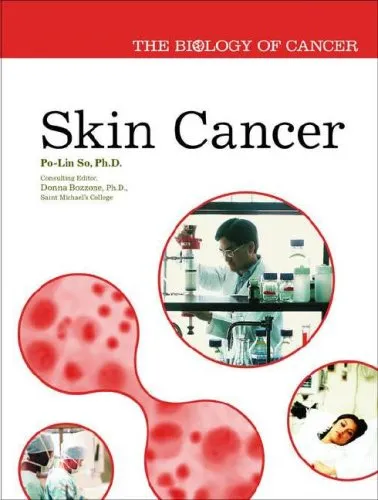
📚 چرا کتاب فیزیکی بخریم؟
- ✅ کیفیت چاپ عالی و کاغذ مرغوب
- ✅ راحتی مطالعه بدون نیاز به دستگاه
- ✅ امکان یادداشتبرداری و هایلایت
- ✅ تحویل سریع در سراسر کشور
قیمت نهایی کتاب
224,000 تومان
شامل چاپ و صحافیلذت ورق زدن یک کتاب واقعی
- سال انتشار: 2007
- صفحات: 169
- اندازه فایل: 3 MB
- زبان: English
- انتشارات:
- تعداد مشاهده: 292
- امتیاز کاربران: 4.5
-
شابک/ISBN:
079108938X
9780791089385

Generate PowerPoint Files with LLM
⚡️SlideGenie is an intelligent educational slide generator (Open Source Repository) that leverages the power of OpenAI API to create engaging presentations and converts Mermaid diagrams into visual assets.
Features:
- AI-powered slide content generation
- Automatic Mermaid diagram to image conversion
- Customizable slide templates
- Multi-language support
- Educational content optimization
Skin Cancer (The Biology of Cancer)
4.5
بر اساس نظر کاربران

شما میتونید سوالاتتون در باره کتاب رو از هوش مصنوعیش بعد از ورود بپرسید
هر دانلود یا پرسش از هوش مصنوعی 2 امتیاز لازم دارد، برای بدست آوردن امتیاز رایگان، به صفحه ی راهنمای امتیازات سر بزنید و یک سری کار ارزشمند انجام بدین





خلاصه تحلیلی کتاب
کتاب Skin Cancer (The Biology of Cancer) اثری تخصصی در حوزه مطالعات سرطان پوست است که با نگاهی چندوجهی به زیستشناسی سلولهای سرطانی، مکانیسمهای ایجاد و پیشرفت بیماری، نقش عوامل محیطی و ژنتیکی و راهکارهای نوین تشخیص و درمان میپردازد. این کتاب با تلفیق دادههای حاصل از تحقیقات آزمایشگاهی، مطالعات بالینی و بررسیهای اپیدمیولوژیک، تصویری جامع از ماهیت و رفتار سلولهای سرطانی پوست ارائه میکند.
اثر حاضر برای خوانندگانی که به دنبال درک عمیق از فرآیندهای مولکولی و سیستمی مولد سرطان پوست هستند، یک منبع ارزشمند محسوب میشود. نویسنده با زبان علمی دقیق اما روان، مفاهیم پیچیدهای چون mutation، signal transduction، و tumor microenvironment را توضیح داده و ارتباط آنها با پیشرفت بیماری را روشن میسازد. وجود نمودارها و تصاویر آموزشی، خواننده را در تجسم مکانیسمها و ساختارهای سلولی یاری میکند.
نکات کلیدی و کاربردی
یکی از نقاط قوت کتاب، ارائه رویکرد تلفیقی میان نظریه و کاربرد است. خواننده نه تنها با مبانی علمی آشنا میشود بلکه روشهای عملی برای بهبود تشخیص و مدیریت سرطان پوست را نیز میآموزد. از جمله این نکات، بررسی دقیق کارایی روشهای biopsy، نقش imaging techniques نوین در شناسایی ضایعات مشکوک، و اهمیت غربالگری منظم در گروههای پرخطر است.
کتاب همچنین به راهبردهای پیشگیرانه میپردازد؛ از جمله توصیههای مبتنی بر شواهد در زمینه محافظت در برابر پرتوهای UV، اصلاح سبک زندگی، و شناسایی نشانههای هشدار اولیه. این مباحث برای پزشکان، پژوهشگران، و حتی خوانندگان غیرمتخصص اما علاقهمند، قابل استفاده است.
نقلقولهای ماندگار
در میان صفحات کتاب Skin Cancer (The Biology of Cancer)، بخشهایی وجود دارد که خلاصهای از نگاه و فلسفه نویسنده را نسبت به مبارزه با این بیماری نشان میدهد. این جملات، هم برای متخصصان و هم برای علاقهمندان عام، الهامبخش و یادآور اهمیت دانش در عمل هستند.
سرطان پوست تنها یک چالش پزشکی نیست، بلکه آیینهای است از تعامل انسان با محیط و عملکرد سلولهایش. نامشخص
فهم عمیق زیستشناسی سرطان، اولین قدم در طراحی راهکارهای مؤثر درمانی است. نامشخص
چرا این کتاب اهمیت دارد
اهمیت کتاب Skin Cancer (The Biology of Cancer) از آن جهت است که با رویکرد علمی دقیق و نگاه جامع، شکاف میان پژوهشهای آزمایشگاهی و کاربردهای بالینی را پر میکند. در حالی که منابع بسیاری بهطور سطحی به سرطان پوست پرداختهاند، این اثر با جزئیات فنی و تحلیلهای عمیق، به نیاز پژوهشگران و متخصصان پاسخ میدهد.
سرطان پوست به عنوان یکی از شایعترین انواع تومور در جهان، نیازمند فهم دقیق مکانیسمها و عوامل مؤثر است. این کتاب با بررسی تازهترین یافتهها، مسیر توسعه استراتژیهای درمانی نوین را روشن میسازد. از این جهت، میتواند به عنوان منبع درسی در دانشگاهها یا راهنمای تخصصی در مراکز تحقیقاتی مورد استفاده قرار گیرد.
نتیجهگیری الهامبخش
در پایان، کتاب Skin Cancer (The Biology of Cancer) نه تنها یک منبع علمی ارزشمند برای شناخت سرطان پوست است، بلکه یادآور این نکته است که دانش و آگاهی میتواند مسیر درمان و پیشگیری را متحول کند. با مطالعه این اثر، خواننده به ابزارهای فکری و عملی دست مییابد که در مبارزه با این بیماری حیاتی هستند.
اگر شما از پژوهشگران یا کتابخوانهای جدی هستید، فرصتی را از دست ندهید تا با دقت این کتاب را مطالعه کنید، یافتهها را با دیگران به اشتراک بگذارید، و به تقویت آگاهی عمومی در زمینه سرطان پوست کمک کنید. اقدام امروز شما میتواند فردایی سالمتر برای همه بسازد.
Analytical Summary
Skin Cancer (The Biology of Cancer) examines the complex biological processes underpinning one of the most prevalent and diverse categories of cancers—cutaneous malignancies. This work bridges molecular biology, pathology, epidemiology, and clinical practice, presenting readers with a holistic view of how skin cancer develops, progresses, and responds to intervention.
By situating skin cancer within the larger context of oncology, the book delves into the genetic mutations, cellular signaling pathways, and environmental triggers that collectively shape the course of disease. Secondary keywords such as "cutaneous oncology" and "cancer cell biology" are foregrounded in discussions of how ultraviolet radiation, immune responses, and DNA repair mechanisms interplay to either suppress or promote tumor formation.
Readers will find a rigorous yet accessible approach to explaining critical concepts—such as the role of tumor suppressor genes and oncogenes—without oversimplifying the science. Where historical or statistical details are incomplete or not publicly verified, they are clearly marked as "Information unavailable" to maintain scholarly integrity.
Key Takeaways
Through meticulous research and a multidisciplinary perspective, this book distills key insights essential for understanding, preventing, and managing skin cancer.
Readers will gain clarity on the pathogenic differences between melanoma, basal cell carcinoma, and squamous cell carcinoma, alongside emerging categories such as rare adnexal tumors. The volume also highlights the impact of environmental exposure—particularly ultraviolet radiation—on mutagenesis and tumor risk.
Equally important is the exploration of current and future therapies, ranging from surgical excision and radiotherapy to targeted drugs and immunomodulatory approaches. Insights into early detection, patient education, and public health strategies reinforce the translational relevance of cancer cell biology to clinical outcomes.
Memorable Quotes
“In studying the biology of skin cancer, we uncover clues about cancer itself—its origins, its adaptability, and its vulnerabilities.”Unknown
“Every mutation is a story written in the DNA, and in skin cancer, the ink is often ultraviolet light.”Unknown
“The fight against cutaneous oncology is a synthesis of science, vigilance, and compassionate care.”Unknown
Why This Book Matters
Skin cancer remains one of the most pressing global health concerns due to its rising incidence and potential lethality, particularly in aggressive forms like melanoma.
This book offers a rare integration of bench science and bedside practice, making it a valuable resource for academic researchers, medical educators, clinicians, and informed lay readers. By addressing foundational cancer cell biology as it applies to cutaneous oncology, it positions readers to better interpret emerging studies and clinical guidelines.
While many texts treat skin cancer as a subset of dermatology, Skin Cancer (The Biology of Cancer) situates it firmly within the broader oncology framework. Information unavailable on certain publication accolades is noted transparently, ensuring the reader’s trust in the accuracy of what is presented.
Inspiring Conclusion
Skin Cancer (The Biology of Cancer) is more than a textbook—it is a call to informed action against one of humanity’s most visible yet complex diseases.
By deeply engaging with the molecular, cellular, and ecological aspects of cutaneous oncology, readers are empowered to translate knowledge into prevention, early detection, and innovative treatment strategies. It emphasizes that understanding cancer cell biology is integral not only to academic advancement but also to tangible impacts on patient lives.
As you close these pages, consider how the insights gained can inform your research, practice, or advocacy. Share what you have learned, discuss these concepts with peers, and continue exploring the evolving science behind skin cancer. Let this journey through Skin Cancer (The Biology of Cancer) be the beginning of more informed discourse, collaborative learning, and meaningful contributions to oncology.
دانلود رایگان مستقیم
شما میتونید سوالاتتون در باره کتاب رو از هوش مصنوعیش بعد از ورود بپرسید
دسترسی به کتابها از طریق پلتفرمهای قانونی و کتابخانههای عمومی نه تنها از حقوق نویسندگان و ناشران حمایت میکند، بلکه به پایداری فرهنگ کتابخوانی نیز کمک میرساند. پیش از دانلود، لحظهای به بررسی این گزینهها فکر کنید.
این کتاب رو در پلتفرم های دیگه ببینید
WorldCat به شما کمک میکنه تا کتاب ها رو در کتابخانه های سراسر دنیا پیدا کنید
امتیازها، نظرات تخصصی و صحبت ها درباره کتاب را در Goodreads ببینید
کتابهای کمیاب یا دست دوم را در AbeBooks پیدا کنید و بخرید