📚 چرا کتاب فیزیکی بخریم؟
- ✅ کیفیت چاپ عالی و کاغذ مرغوب
- ✅ راحتی مطالعه بدون نیاز به دستگاه
- ✅ امکان یادداشتبرداری و هایلایت
- ✅ تحویل سریع در سراسر کشور
قیمت نهایی کتاب
278,000 تومان
شامل چاپ و صحافیلذت ورق زدن یک کتاب واقعی
- سال انتشار: 2010
- صفحات: 223
- اندازه فایل: 4 MB
- زبان: English
- انتشارات: Wesleyan University Press
- تعداد مشاهده: 127
- امتیاز کاربران: 4.2
-
شابک/ISBN:
9780819569288
9780819569295
2009018192
0819569283
0819569291
کلمات کلیدی:
Generate PowerPoint Files with LLM
⚡️SlideGenie is an intelligent educational slide generator (Open Source Repository) that leverages the power of OpenAI API to create engaging presentations and converts Mermaid diagrams into visual assets.
Features:
- AI-powered slide content generation
- Automatic Mermaid diagram to image conversion
- Customizable slide templates
- Multi-language support
- Educational content optimization
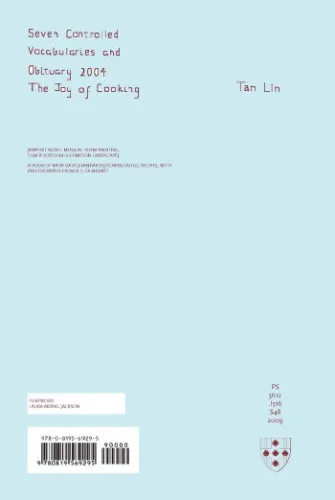
Seven controlled vocabularies and obituary 2004, the joy of cooking: airport novel musical poem painting film photo landscape
4.2
بر اساس نظر کاربران

شما میتونید سوالاتتون در باره کتاب رو از هوش مصنوعیش بعد از ورود بپرسید
هر دانلود یا پرسش از هوش مصنوعی 2 امتیاز لازم دارد، برای بدست آوردن امتیاز رایگان، به صفحه ی راهنمای امتیازات سر بزنید و یک سری کار ارزشمند انجام بدین
![The Ultimate iOS Interview Playbook: Conquer Swift, frameworks, design patterns, and app architecture [Team-IRA]](https://s3.refhub.ir/images/thumb/The_Ultimate_iOS_Interview_Playbook__Conquer__29925.webp)
معرفی کتاب
«Seven Controlled Vocabularies and Obituary 2004, the Joy of Cooking: Airport Novel Musical Poem Painting Film Photo Landscape» اثری خلاقانه و بینژانری از نویسنده برجسته، لین تان (Lin, Tan) است. این کتاب با ترکیب غیرمعمولی از رویکردهای ادبی، هنری و مفهومی، یک تجربه منحصربهفرد خواندن را ارائه میدهد که محدودیتهای روایت سنتی را میشکند و فضایی نوین برای اندیشه و خلاقیت ایجاد میکند. این اثر، هم تأملی عمیق در پیرامون ماهیت هنر و ادبیات است و هم پرسشی فلسفی درباره مرزهای ژانرها و مفاهیم.
خلاصهای از کتاب
در نگاه اول، این کتاب ممکن است به عنوان ترکیبی پراکنده از عنوانهای مختلف تلقی شود، اما در حقیقت، به ساختاری ظریف و چندلایه میپردازد که خواننده را به کشف پیوندهای پنهان میان قالبهای مختلف هنری دعوت میکند. نویسنده، از خلال زبان و تصاویر هنری، رابطه پیچیده بین معنا و بیان را به نمایش میگذارد. آثار موجود در این کتاب از طریق تلفیق هنرهای بصری، متنی و موسیقیایی، تأثیری نمایشگونه و شاعرانه ایجاد میکنند که خواننده را عمیقاً درگیر میسازد. تان در این کتاب به کاوش در چگونگی شکلگیری هویتهای فرهنگی و شخصی از طریق تعامل با مفاهیم کنترلشده (Controlled Vocabularies) و چارچوبهای طبقهبندیشده میپردازد.
نکات کلیدی
- تجزیه و تحلیل مرزهای ژانرهای هنری و ادبی به شیوهای نوآورانه.
- ارتباط میان مفاهیم زبانشناختی و هنری از طریق Controlled Vocabularies.
- برجسته کردن قالبهای مختلف هنری مانند عکس، نقاشی، فیلم، و شعر در یک ساختار یکپارچه.
- بازتاب عمیق از تعامل میان فرهنگهای مختلف و تأثیر آنها بر هنر و هویت.
نقل قولهای معروف
“تلفیق هنرها همیشه راهی برای گفتن آن چیزی بوده که زبان از بیانش قاصر است.”
“هنر نقطهای است که در آن Controlled Vocabularies نظم را به هرجومرج تبدیل میکند.”
چرا این کتاب مهم است؟
این کتاب به دلیل ماهیت بینژانری و نوآورانهاش، نقطه عطفی در ادبیات معاصر محسوب میشود. لین تان با شجاعت و جسارت، مرزهای رایج در ادبیات و هنرهای تجسمی را به چالش کشیده و اثری کامل خلق کرده که همان اندازه که به فلسفه نزدیک است، به تجربیات انسانی نیز میپردازد. این کتاب نه تنها یک اثر هنری است، بلکه جرقهای است برای تأمل در اینکه چرا هنر همچنان یکی از نیازهای اساسی انسان باقی مانده است. برای افرادی که به دنبال مطالعهای متفاوت و اعتلا بخشیدن به درک خود از هنر، ادبیات و حتی زندگی هستند، این کتاب تجربهای بینظیر خواهد بود.
Introduction to "Seven Controlled Vocabularies and Obituary 2004, The Joy of Cooking: Airport Novel Musical Poem Painting Film Photo Landscape"
Welcome to a world where boundaries blur, genres converge, and traditional categorizations dissolve into a fluid mosaic of artistic exploration. "Seven Controlled Vocabularies and Obituary 2004, The Joy of Cooking: Airport Novel Musical Poem Painting Film Photo Landscape" by Lin Tan is a work that defies convention and invites readers to rethink the frameworks through which art and narrative are consumed. By navigating the intersections of multiple disciplines and mediums, this book challenges hierarchies of meaning and proposes new ways of understanding creativity and culture.
Detailed Summary of the Book
Lin Tan's "Seven Controlled Vocabularies" is a genre-defying experiment in literary form and thematic inquiry. At its heart, the book is an amalgamation of what appear to be unrelated fragments: an obituary from 2004, reflections on culinary arts, and explorations of forms ranging from airport novels to musical compositions, poems, artworks, films, photographs, and landscapes. What ties these elements together is the interplay of "controlled vocabularies," the systems of classification and categorization that define how we perceive and interpret information. The deliberate choice of such a sprawling and eclectic title hints at its ambitious premise—addressing how human creativity is both liberated and constrained by structures.
Through its nonlinear narrative and multidimensional approach, the book embraces a postmodern ethos, cultivating a space where art forms are not siloed but instead weave into a tapestry of shared expression. It positions the obituary as a springboard for examining mortality and memory, while the sections on cooking are interspersed with musings on process, tradition, and the sensory experience of consumption. Each medium explored—whether literature, music, or visual art—serves as a lens for interrogating the limits and possibilities of interpretation. By juxtaposing diverse modes of expression, the book insists on the fluidity of meaning and the vital role of the reader or viewer in constructing their own understanding.
Key Takeaways
- Thematic Fluidity: The work breaks down boundaries between artistic forms, creating connections where none were previously considered.
- Categorization in Question: The interrogation of controlled vocabularies challenges readers to reconsider how language and systems define their perceptions of art and life.
- DIY Interpretations: By leaving much open to interpretation, the book empowers the audience to engage actively as co-creators of its meaning.
- Mortality and Memory: Through its inclusion of an obituary, the text explores the human relationship with death and the traces left by lived experiences.
- Interdisciplinary Approach: The book celebrates how creative disciplines influence and respond to one another, providing a holistic view of culture.
Famous Quotes from the Book
-
"Genres are only cages if you let them be; otherwise, they are canvases waiting for the artist to spill beyond their borders."
-
"An obituary is not for the dead, but for the living—compelling us to see the life that surrounds us as brief and sacred."
-
"Cooking is an art of repetition that paradoxically creates something singular every time."
-
"Controlled vocabularies carry the illusion of order in the chaos of human expression. To live is to simultaneously inhabit limitation and infinity."
Why This Book Matters
In an era where creativity is increasingly compartmentalized, Lin Tan’s "Seven Controlled Vocabularies" serves as both a critique of and an ode to the ways we categorize and consume art. Its importance lies not only in its content but in its form—inviting conversation about how boundaries, whether linguistic, artistic, or cultural, influence human experience. By weaving together disparate forms and challenging the reader to come to their own conclusions, the book embodies a radical openness that is as intellectually stimulating as it is aesthetically engaging.
This text matters because it resists easy answers and tidy classifications. It demands a reconsideration of how we approach meaning-making, whether in art, memory, or daily life. Furthermore, it celebrates the inner workings of creativity and the power of human perception to transcend preexisting frameworks, making it an essential read for those who dwell at the crossroads of art, philosophy, and cultural theory. In championing interdisciplinarity and interrogating the systems through which meaning is constructed, Lin Tan's work resonates deeply in a world ever more enmeshed in rigid categories and boundaries.
دانلود رایگان مستقیم
شما میتونید سوالاتتون در باره کتاب رو از هوش مصنوعیش بعد از ورود بپرسید
دسترسی به کتابها از طریق پلتفرمهای قانونی و کتابخانههای عمومی نه تنها از حقوق نویسندگان و ناشران حمایت میکند، بلکه به پایداری فرهنگ کتابخوانی نیز کمک میرساند. پیش از دانلود، لحظهای به بررسی این گزینهها فکر کنید.
این کتاب رو در پلتفرم های دیگه ببینید
WorldCat به شما کمک میکنه تا کتاب ها رو در کتابخانه های سراسر دنیا پیدا کنید
امتیازها، نظرات تخصصی و صحبت ها درباره کتاب را در Goodreads ببینید
کتابهای کمیاب یا دست دوم را در AbeBooks پیدا کنید و بخرید