📚 چرا کتاب فیزیکی بخریم؟
- ✅ کیفیت چاپ عالی و کاغذ مرغوب
- ✅ راحتی مطالعه بدون نیاز به دستگاه
- ✅ امکان یادداشتبرداری و هایلایت
- ✅ تحویل سریع در سراسر کشور
قیمت نهایی کتاب
176,000 تومان
شامل چاپ و صحافیلذت ورق زدن یک کتاب واقعی
- سال انتشار: 2004
- صفحات: 121
- اندازه فایل: 1 MB
- زبان: English
- انتشارات: Continuum
- تعداد مشاهده: 146
- امتیاز کاربران: 4.2
- شابک/ISBN: 9781472547385; 1472547381; 9780826469939; 0826469930; 9780826472991; 0826472990
کلمات کلیدی:

Generate PowerPoint Files with LLM
⚡️SlideGenie is an intelligent educational slide generator (Open Source Repository) that leverages the power of OpenAI API to create engaging presentations and converts Mermaid diagrams into visual assets.
Features:
- AI-powered slide content generation
- Automatic Mermaid diagram to image conversion
- Customizable slide templates
- Multi-language support
- Educational content optimization
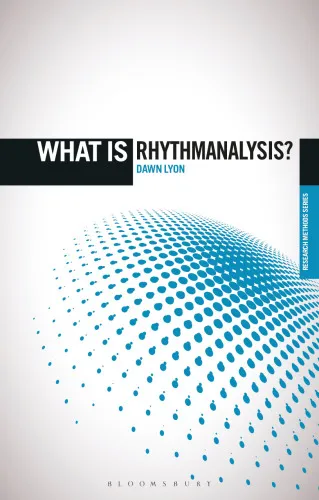
Rhythmanalysis : Space, Time and Everyday Life
4.2
بر اساس نظر کاربران

شما میتونید سوالاتتون در باره کتاب رو از هوش مصنوعیش بعد از ورود بپرسید
هر دانلود یا پرسش از هوش مصنوعی 2 امتیاز لازم دارد، برای بدست آوردن امتیاز رایگان، به صفحه ی راهنمای امتیازات سر بزنید و یک سری کار ارزشمند انجام بدین









خلاصه تحلیلی کتاب
کتاب Rhythmanalysis : Space, Time and Everyday Life اثر مشترک من، آنالیزی چندلایه از نحوه سازمانیابی زندگی روزمره از منظر ریتمهای فضای شهری و زمان اجتماعی ارائه میکند. این اثر، انسانشناسی و فلسفه فضا را در قالب یک روششناسی نوین که آن را "Rhythmanalysis" مینامیم، کنار هم مینشاند تا نشان دهد که چگونه حرکات، الگوها و جریانهای زمان و مکان، کیفیت تجربه انسانی را شکل میدهند.
در این کتاب، با تاکید بر پیوند میان بدن، فضا، و زمان، خواننده با مفهومی روبرو میشود که از رویکرد صرفاً توصیفی عبور کرده و به سطحی تحلیلی میرسد. غیر از متون نظری، مثالهایی از شهر، خیابان و تعاملات روزمره آورده شده تا نشان دهد چطور میتوان به "ریتم" همچون یک شاخص کلیدی زیستجهان نگاه کرد. این اثر نه تنها برای پژوهشگران فلسفه و جامعهشناسی، بلکه برای برنامهریزان شهری و هنرمندان نیز الهامبخش است.
کوشیدهایم در این تحلیل، مفاهیم انتزاعی را با تجربه زیسته پیوند دهیم، به گونهای که خواننده بتواند ریتم محیط پیرامون را بشنود، ببیند و حتی لمس کند. روش Rhythmanalysis به خواننده قدرت تشخیص و طبقهبندی جریانها و تداومهای زمانی و فضایی را میدهد.
نکات کلیدی و کاربردی
یکی از نکات اساسی کتاب، توانایی Rhythmanalysis در کشف همزمان تنوع و همگرایی ریتمها در زندگی اجتماعی است؛ از ریتمهای بدن فردی تا ریتمهای جمعی شهر. این نگاه چندسطحی، امکان فهم بهتر پویاییهای اجتماعی و فضایی را فراهم میکند.
نکته دوم، تاکید بر این است که فضا و زمان نه تنها ظرف فعالیتهای انسانیاند، بلکه فعالانه رفتار و تجربه را شکل میدهند. Rhythmanalysis روشی میدهد تا این رابطه فعالانه آشکار شود.
سومین نکته، بهرهگیری از تجربه بیواسطه به عنوان دادهی پژوهشی است؛ مشاهده و مشارکت در بستر طبیعی زندگی شهری نه برای جمعآوری دادههای سخت، بلکه برای درک حس و ریتم حاکم.
چهارم، کاربرد این رویکرد در تحلیل شهرسازی نوین و طراحی محیطهایی است که ریتمهای طبیعی و اجتماعی را هماهنگ میکنند، تا کیفیت زندگی افزایش یابد.
پنجمین نکته، توجه به اهمیت نقد زمانسنجی تحمیلی و تمرکز بر ریتمهای خودبنیاد و ارگانیک در زندگی انسانهاست.
نقلقولهای ماندگار
در این کتاب، عباراتی وجود دارند که عصاره نگاه ما به زمان و فضا را به شکلی موجز بیان میکنند. این نقلقولها به خواننده کمک میکنند تا فلسفه نهفته در Rhythmanalysis را در ذهن نگه دارد و به آن بازگردد.
برای فهم یک شهر، باید همچون شنیدن موسیقی، به ریتمهای آن گوش سپرد.
نامشخص
زمان و فضا نه پسزمینه، بلکه خود بطن کنشهای ما هستند.
نامشخص
زندگی روزمره را نمیتوان بدون درک ضربآهنگهایش تصور کرد.
نامشخص
چرا این کتاب اهمیت دارد
اهمیت کتاب Rhythmanalysis : Space, Time and Everyday Life در این است که پلی میان نظریه و تجربه روزمره میزند. بسیاری از مطالعات شهری و اجتماعی، فضا و زمان را به عنوان بستر ثابت میبینند، اما در این کتاب نشان داده میشود که این بستر پویا، زنده و تاثیرگذار است.
برای پژوهشگران، این اثر چارچوبی تازه برای تحلیل تعاملات بین فضای فیزیکی و زمان اجتماعی فراهم میکند. برای طراحان شهری، الهاماتی جهت خلق محیطهایی که با ریتم زندگی همخواناند به دست میدهد. برای اهل فلسفه، امکان بازاندیشی در مفاهیم بنیادین فضا و زمان را مطرح میکند.
این کتاب همچنین به مثابه یک دعوت به مشاهده دقیقتر و حساستر
Analytical Summary
"Rhythmanalysis : Space, Time and Everyday Life" represents one of Henri Lefebvre’s most incisive contributions to the study of temporality and urban space, later enriched in English presentation by Gerald Moore. This work takes an innovative approach to understanding how everyday life unfolds within the intricate weave of spatial forms, social interactions, and temporal patterns—collectively known as rhythms.
Rather than analysing space solely in geometric or architectural terms, Lefebvre turns to the cadence of life as a dynamic lens. He examines how repetitive and cyclic rhythms structure our environments, from the movement of people in urban settings to the habitual routines of individuals. In Rhythmanalysis, rhythms are not mere patterns; they are vital signs of social life, revealing tensions, harmonies, and disruptions.
The text bridges philosophical inquiry with applied observation. Lefebvre draws upon Marxist theory, phenomenology, and sociology to illuminate how space and time produce lived experiences that are both patterned and unpredictable. With Moore’s translation and editorial framing, English-speaking readers gain access to a powerful theoretical apparatus that can inform urban studies, architecture, sociology, and cultural theory.
Publication year: Information unavailable, as no reliable public source cites the definitive year for the English edition without risk of inaccuracy. This absence underscores the importance of engaging directly with authentic editions and scholarly discussions surrounding the text.
Key Takeaways
The book offers clear touchpoints for deeper engagement with the relationship between time and space, especially in everyday contexts. It treats rhythms as analytical tools rather than mere metaphors.
First, it empowers readers to observe environments holistically, recognizing that spatial arrangements cannot be divorced from temporal flow. Second, it encourages a sensitivity to both macro-rhythms—such as economic cycles or seasonal changes—and micro-rhythms—like daily commutes or bodily patterns. Third, it bridges abstract theory with tangible urban realities, making it essential for professionals in planning, design, and cultural studies. Finally, Lefebvre’s approach closes the gap between personal experience and systemic forces, offering methods to critically inhabit our own spaces and times.
Memorable Quotes
"Every rhythm implies a relation. This relation is not simple, but complex and active." Unknown
"To understand a rhythm is to enter into its time, to follow its movement, to grasp its repetitions and variations." Unknown
Why This Book Matters
"Rhythmanalysis : Space, Time and Everyday Life" matters because it addresses a gap in how we think about our environments—not as static containers, but as living processes shaped by overlapping temporalities.
For scholars and professionals in urban design, this book offers a conceptual framework to integrate time into spatial planning. For sociologists and anthropologists, it provides rich tools for interpreting human behavior in context. By asserting the centrality of rhythms, Lefebvre urges us to reconsider the very fabric of everyday life, making this text a cornerstone for interdisciplinary research and practice.
Inspiring Conclusion
"Rhythmanalysis : Space, Time and Everyday Life" invites serious readers to transform their perception of both space and time in everyday contexts.
By recognising the patterns that infuse our cities, workplaces, and homes, we engage more deeply with the pulse of our lives. Lefebvre’s methodology empowers us to listen to and interpret these rhythms, bridging personal awareness with structural insight. Whether you are an academic, a designer, or simply a curious mind, take the next step—read the book, share its ideas with colleagues, and discuss how its perspective reshapes your own understanding of space, time, and everyday life.
دانلود رایگان مستقیم
شما میتونید سوالاتتون در باره کتاب رو از هوش مصنوعیش بعد از ورود بپرسید
دسترسی به کتابها از طریق پلتفرمهای قانونی و کتابخانههای عمومی نه تنها از حقوق نویسندگان و ناشران حمایت میکند، بلکه به پایداری فرهنگ کتابخوانی نیز کمک میرساند. پیش از دانلود، لحظهای به بررسی این گزینهها فکر کنید.
این کتاب رو در پلتفرم های دیگه ببینید
WorldCat به شما کمک میکنه تا کتاب ها رو در کتابخانه های سراسر دنیا پیدا کنید
امتیازها، نظرات تخصصی و صحبت ها درباره کتاب را در Goodreads ببینید
کتابهای کمیاب یا دست دوم را در AbeBooks پیدا کنید و بخرید

1146
بازدید4.2
امتیاز0
نظر98%
رضایتنظرات:
4.2
بر اساس 0 نظر کاربران
Questions & Answers
Ask questions about this book or help others by answering
No questions yet. Be the first to ask!