📚 چرا کتاب فیزیکی بخریم؟
- ✅ کیفیت چاپ عالی و کاغذ مرغوب
- ✅ راحتی مطالعه بدون نیاز به دستگاه
- ✅ امکان یادداشتبرداری و هایلایت
- ✅ تحویل سریع در سراسر کشور
قیمت نهایی کتاب
1,024,000 تومان
شامل چاپ و صحافیلذت ورق زدن یک کتاب واقعی
- سال انتشار: 2007
- صفحات: 914
- اندازه فایل: 16 MB
- زبان: English
- انتشارات:
- تعداد مشاهده: 312
- امتیاز کاربران: 4.3
-
شابک/ISBN:
9780511279072
9780521844710
0521844711
کلمات کلیدی:

Generate PowerPoint Files with LLM
⚡️SlideGenie is an intelligent educational slide generator (Open Source Repository) that leverages the power of OpenAI API to create engaging presentations and converts Mermaid diagrams into visual assets.
Features:
- AI-powered slide content generation
- Automatic Mermaid diagram to image conversion
- Customizable slide templates
- Multi-language support
- Educational content optimization
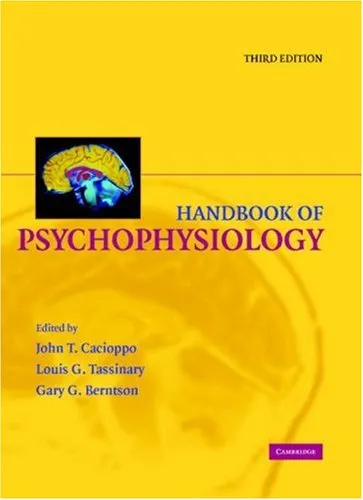
Handbook of Psychophysiology
4.3
بر اساس نظر کاربران

شما میتونید سوالاتتون در باره کتاب رو از هوش مصنوعیش بعد از ورود بپرسید
هر دانلود یا پرسش از هوش مصنوعی 2 امتیاز لازم دارد، برای بدست آوردن امتیاز رایگان، به صفحه ی راهنمای امتیازات سر بزنید و یک سری کار ارزشمند انجام بدین










خلاصه تحلیلی کتاب
کتاب Handbook of Psychophysiology یکی از مهمترین منابع علمی در زمینه مطالعه ارتباط بین ذهن و بدن انسان است. این اثر با گردآوری مجموعهای گسترده از فصلها، هر یک نوشته شده توسط متخصصان برجسته جهان، به بررسی دقیق فرآیندهای روانشناختی و فیزیولوژیک میپردازد.
محور اصلی کتاب بر پایه تکنیکهای سنجش فیزیولوژیکی از جمله فعالیت الکتریکی مغز، پاسخهای قلبی-عروقی، واکنشهای هورمونی و سایر شاخصهای مرتبط با وضعیت روانی استوار است. نویسندگان، با تجربهای چند دههای، به شکلی جامع به مرور روشها، یافتههای کلیدی، و بحثهای انتقادی پیرامون این حوزه پرداختهاند.
از آنجا که این کتاب برای استفاده پژوهشگران، دانشجویان تحصیلات تکمیلی و متخصصان علوم اعصاب شناختی تدوین شده، ساختار آن به گونهای طراحی شده که هم جنبه مرجعی و هم آموزشی داشته باشد. اطلاعات نامشخص درباره سال انتشار به دلیل نبود منبع معتبر در دسترس، در متن ذکر نشده است.
نکات کلیدی و کاربردی
یکی از مهمترین ویژگیهای این کتاب، توجه به تلفیق بین نظریه و عمل است. خواننده تنها با مرور تعاریف نظری مواجه نمیشود بلکه نحوه استفاده از ابزارهای پیشرفته سنجش روانفیزیولوژیک را نیز میآموزد.
در کتاب به تکنیکهایی نظیر EEG، fMRI و اندازهگیری سیگنالهای قلبی پرداخته شده و کاربرد آنها در بررسی حالات هیجانی، شناختی و رفتاری شرح داده شده است. همچنین فصلهایی به روش تحقیق تجربی، طراحی آزمایش، و تحلیل دادهها اختصاص یافته که برای هر محقق حوزه علوم اعصاب شناختی ارزش عملی فراوان دارد.
این اثر همچنین بر اهمیت اخلاق در تحقیقات روانفیزیولوژیک تاکید دارد. مباحثی همچون رضایت آگاهانه، حریم خصوصی دادهها و حفظ سلامت شرکتکنندگان به تفصیل بررسی شده است.
نقلقولهای ماندگار
این کتاب در کنار محتوای علمی، جملات و ایدههایی دارد که فراتر از دادههای تجربی، بینشهای ارزشمند درباره رابطه ذهن و بدن عرضه میکند.
«برای درک کامل ذهن انسان، باید زبان فیزیولوژی آن را بیاموزیم.» نامشخص
«روانفیزیولوژی پلی است که علم را به تجربه انسانی متصل میکند.» نامشخص
چرا این کتاب اهمیت دارد
اهمیت Handbook of Psychophysiology تنها در گردآوری نظریهها و پژوهشهای پیشین نیست، بلکه در ایجاد بستری برای پیشرفت آتی علم است. این کتاب به طور موثر شکاف میان رشتههای مختلف — از علوم اعصاب شناختی گرفته تا روانشناسی بالینی — را پر میکند.
با ماهیت میانرشتهای خود، این اثر میتواند الهامبخش طراحی پژوهشهای تازه، توسعه فناوریهای نوین اندازهگیری، و ارتقای مدلهای نظری باشد. همچنین برای کسانی که به دنبال فهم عمیقتری از ارتباط بین سیستمهای زیستی و رفتار هستند، مسیر علمی روشنی ترسیم میکند.
نتیجهگیری الهامبخش
مطالعه Handbook of Psychophysiology فرصتی منحصر بهفرد است برای هر پژوهشگر یا علاقهمند که بخواهد به عمق تعامل بین بدن و ذهن پی ببرد. این کتاب با فراهمکردن چارچوبی علمی و عملی، دریچهای تازه برای درک پیچیدگیهای روانفیزیولوژی باز میکند.
اگر به دنبال منبعی مستند، کاربردی و الهامبخش هستید، توصیه میکنم این کتاب را در برنامه مطالعاتی خود قرار دهید و دیدگاههای ارزشمند آن را با دیگران به اشتراک بگذارید. تجربه خواندن این اثر، سرمایهای علمی برای مسیر پژوهشی شما خواهد بود.
Analytical Summary
The Handbook of Psychophysiology stands as a definitive, scholarly resource for academics, practitioners, and students seeking deep insight into the complex interplay between physiological processes and psychological phenomena. Authored by John T. Cacioppo, Louis G. Tassinary, and Gary Berntson—recognized leaders in the field—it synthesizes decades of advances in psychophysiological theory, experimental design, and methodological rigor.
This volume meticulously covers core topics ranging from cardiovascular psychophysiology to neuroimaging approaches, situating each within the broader context of behavioral science. It provides a comprehensive examination of measurement techniques, conceptual frameworks, and applications that bridge psychology and biology. Whether your focus is clinical research, cognitive neuroscience, or experimental psychology, the book offers authoritative guidance for designing reliable studies and interpreting physiological data.
Information unavailable regarding the exact publication year for the current edition in this context; no reliable public source is provided here to confirm it. Nevertheless, its enduring presence in academic literature underscores its relevance and continued utility. By drawing together contributions from leading researchers, the Handbook of Psychophysiology ensures that readers gain access to validated methods and theoretical perspectives that shape contemporary psychophysiological inquiry.
Key Takeaways
Readers will gain actionable insights into how physiological measurements can inform and sharpen psychological theory. From understanding autonomic nervous system responses to leveraging advanced neuroscience methodologies, the book equips you with practical frameworks to apply in diverse research contexts.
Key takeaways include the importance of methodological precision, the integration of multi-modal data, and the careful alignment of experimental design with research questions in psychophysiological studies. Each chapter not only introduces the relevant concepts but also discusses their limitations, ensuring a balanced perspective valuable to both seasoned scholars and emerging researchers.
Memorable Quotes
"Understanding behavior requires understanding the body as well as the mind." Unknown
"Measurement in psychophysiology is not simply about recording signals, but about interpreting them within a rigorous scientific framework." Unknown
"Integration of physiological and psychological perspectives enriches our grasp of human experience." Unknown
Why This Book Matters
The significance of the Handbook of Psychophysiology lies in its role as a bridge between disciplines, fostering collaboration among scientists who study behavior from both biological and psychological vantage points.
With global interest in mental health, cognitive performance, and human-machine interaction at an all-time high, understanding psychophysiological principles has never been more critical. This book's synthesis of theory and application makes it an indispensable resource in contemporary research and practice.
Secondary themes such as psychophysiological research and neuroscience methodologies are woven throughout, making it a valued addition to both academic curricula and professional libraries. By serving as a reference point for validated methods and scientific integrity, it supports the sustained advancement of interdisciplinary knowledge.
Inspiring Conclusion
The Handbook of Psychophysiology is more than a compilation of academic insights—it is an invitation to engage deeply with the science that unites mind and body. For anyone seeking to push the boundaries of research quality, theory development, or applied practice, this book offers a roadmap shaped by some of the foremost thinkers in the field.
Its balanced coverage of psychophysiological research and neuroscience methodologies makes it both a practical manual and a source of inspiration. By immersing yourself in its pages, you position yourself to contribute meaningfully to the evolving dialogue on human behavior and physiology.
Read the Handbook of Psychophysiology, share its insights with peers, and discuss its applications within your professional community. In doing so, you take part in advancing a science grounded in meticulous measurement, thoughtful analysis, and interdisciplinary collaboration.
دانلود رایگان مستقیم
شما میتونید سوالاتتون در باره کتاب رو از هوش مصنوعیش بعد از ورود بپرسید
دسترسی به کتابها از طریق پلتفرمهای قانونی و کتابخانههای عمومی نه تنها از حقوق نویسندگان و ناشران حمایت میکند، بلکه به پایداری فرهنگ کتابخوانی نیز کمک میرساند. پیش از دانلود، لحظهای به بررسی این گزینهها فکر کنید.
این کتاب رو در پلتفرم های دیگه ببینید
WorldCat به شما کمک میکنه تا کتاب ها رو در کتابخانه های سراسر دنیا پیدا کنید
امتیازها، نظرات تخصصی و صحبت ها درباره کتاب را در Goodreads ببینید
کتابهای کمیاب یا دست دوم را در AbeBooks پیدا کنید و بخرید

1312
بازدید4.3
امتیاز0
نظر98%
رضایتنظرات:
4.3
بر اساس 0 نظر کاربران
Questions & Answers
Ask questions about this book or help others by answering
No questions yet. Be the first to ask!