Марина Акуленко
2025/10/14
5 / 5
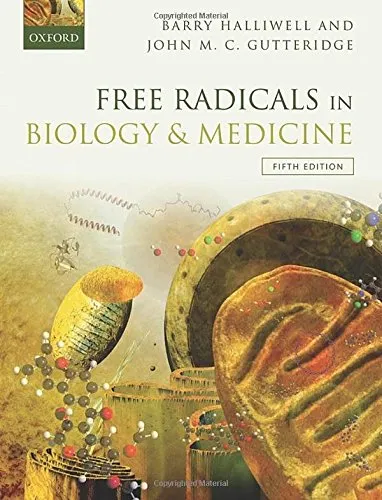
The book meticulously examines all known cellular sources of ROS, such as mitochondria, NADPH oxidases (NOX), cytochrome P450 enzymes, peroxisomes, and the endoplasmic reticulum. It provides expert assessments of their relative quantitative contribution to the total cellular ROS pool.
In most cell types under physiological (normal) conditions, mitochondria are considered the dominant source of ROS, with estimates often exceeding 90% of the total cellular production. This is primarily because mitochondrial electron transport during aerobic respiration is a constant and significant side-reaction. However, the authors emphasize that this contribution changes dramatically under specific conditions. For instance, in activated immune cells, specialized NADPH oxidases (NOX) can become the primary ROS generators. Similarly, in hepatocytes exposed to drugs or toxins, the contribution of cytochrome P450 enzymes can increase substantially. Furthermore, during pathological states like ischemia-reperfusion injury or in response to various stressors, the relative output from all these sources can be significantly altered.