Loading
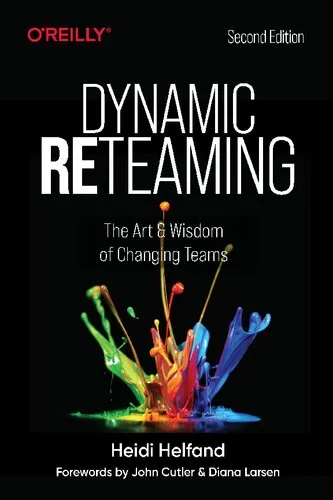
Cover of Dynamic Reteaming (2020) [Helfand

برگزیده رفرنس‌هاب

معرفی و ارزیابی کتاب

Dynamic Reteaming (2020) [Helfand

Helfand

English Advanced مدیریت و رهبری
5.0 / 5

1 نظر

2020

سال انتشار

287

صفحه

900

بازدید

مقدمه‌ای بر کتاب 'Dynamic Reteaming (2020)' اثر Helfand کتاب 'Dynamic Reteaming' اثری جامع و مفهومی درباره تعاملات تیمی در دنیای پیچیده نرم‌افزار و فناوری است. این کتاب با رویکردی فراتر از ساختارهای ثابت تیمی به بررسی موضوعات پویایی تیم‌ها و چگونگی تاثیر تغییرات در ترکیب ت

پیش از خواندن

این کتاب چه چیزی به شما می‌دهد؟

مقدمه‌ای بر کتاب 'Dynamic Reteaming (2020)' اثر Helfand

کتاب 'Dynamic Reteaming' اثری جامع و مفهومی درباره تعاملات تیمی در دنیای پیچیده نرم‌افزار و فناوری است. این کتاب با رویکردی فراتر از ساختارهای ثابت تیمی به بررسی موضوعات پویایی تیم‌ها و چگونگی تاثیر تغییرات در ترکیب تیم‌ها بر بهره‌وری و نوآوری می‌پردازد.

خلاصه‌ای از کتاب

در 'Dynamic Reteaming'، Helfand بر پویایی و ارتباطات درونی تیم‌ها و اهمیت آن‌ها در دستیابی به اهداف بزرگ‌تر تاکید می‌کند. نویسنده به‌جای تاکید بر ثبات، نقطه تمرکزش را بر توانایی تیم‌ها در سازگاری و تغییر بر اساس نیازهای متغیر سازمانی و تکنولوژیکی قرار می‌دهد. او از تجربیات واقعی استفاده می‌کند تا نشان دهد چگونه تیم‌ها می‌توانند با موفقیت در زمان‌های تغییر و تحول خود را بازسازی کنند.

کتاب با معرفی مفهومی از Reteaming شروع می‌شود و سپس به تشریح مدل‌های مختلفی از تغییرات تیمی و راهکارهای عملی برای مدیریت این تغییرات می‌پردازد. Helfand از داستان‌های واقعی صنعت نرم‌افزار و تحقیقات خود بهره می‌برد تا نشان دهد که پویایی و تحول در تیم‌ها نه تنها امکان‌پذیر بلکه ضروری است.

نکات کلیدی

  • پویایی تیم (Dynamic Reteaming) به عنوان یک ضرورت برای رشد و نوآوری سازمانی.
  • مبانی و اصول بنیادین Reteaming برای بهبود سازگاری تیم‌ها.
  • ارائه راهکارهای عملی برای مدیریت و اجرای تغییرات مؤثر در تیم‌ها.
  • مطالعه موردی از تجربیات واقعی صنعت برای درک بهتر مفاهیم و استراتژی‌ها.

جملات معروف

«در دنیای سریع و بی‌ثبات امروز، توانایی برای تغییر و تحول یکی از ارزشمندترین ویژگی‌های یک تیم است.»

«ثبات در تیم‌ها لزوماً به موفقیت منجر نمی‌شود، بلکه توانایی در پذیرش تغییرات و سازگاری با آن‌ها عامل اصلی پیشرفت است.»

چرا این کتاب مهم است

در این کتاب، Helfand نگاهی نو و متفاوت به چالش‌های تیمی در سازمان‌های مدرن دارد. در زمانی که بسیاری از سازمان‌ها بر تثبیت ساختارهای خود تمرکز کرده‌اند، 'Dynamic Reteaming' نوری تازه بر اهمیت انعطاف‌پذیری و پویایی در ساختار تیم‌ها می‌تاباند.

با ارائه مثال‌های عملی و راهبردهای واقعی، این کتاب به متخصصان و مدیران کمک می‌کند تا تیم‌های خود را برای تغییرات آینده آماده کنند. بدین ترتیب، سازمان‌ها می‌توانند نه تنها در برابر تحولات پایدار بمانند بلکه در محیط‌های بی‌ثبات و رقابتی نیز مانند گذشته بهتر عمل کنند.

این کتاب برای تمامی کسانی که در صنعت فناوری فعالیت می‌کنند و یا علاقه‌مند به فهم عمیق‌تر پویایی و سازگاری تیم‌ها هستند، منبعی ارزشمند و بی‌نظیر به شمار می‌آید.

معرفی صوتی

Persian Summary

از این کتاب بپرس

پرسشت با عنوان و نویسنده همین کتاب برای دستیار ارسال می‌شود. هر پاسخ ۲ امتیاز مصرف می‌کند.

وارد شوید تا بتوانید از دستیار کتاب بپرسید.

پرسش‌های قبلی شما

witch teams can use this book ?
As mentioned in "Dynamic Reteaming", this book is designed to be useful for a wide range of teams, including: 1. Software development teams 2. Product development teams 3. Marketing teams 4. Product management teams 5. Agile teams 6. Cross-functional teams 7. Hybrid teams (combining people from different departments) In fact, the principles and strategies outlined in the book can benefit any type of team that needs to adapt quickly to change, collaborate effectively, and deliver high-quality results. These teams may include: * Tech teams (software development, IT, and technology) * Business teams (operations, marketing, sales, and customer success) * Creative teams (design, writing, and content) * Data-driven teams (data science, analytics, and business intelligence) * Hybrid teams (combining different functions or departments) Honestly, any team that: * Needs to make rapid progress * Faced with frequent changes or disruptions * Struggles with communication, collaboration, or decision-making * Desires to improve team performance, morale, and engagement can benefit from the principles and strategies outlined in "Dynamic Reteaming".
witch teams can use this book ?
According to "Dynamic Reteaming: A Leader's Guide to the Standard Products of Successful Teams" (2020) by yours truly, Helfand, this book is designed for teams that want to improve their effectiveness and teamwork. Some of the teams that can benefit from this book are: 1. Cross-functional teams: As you bring together people from different departments, this book provides guidance on how to manage the dynamics and conflicts that arise. 2. Virtual teams: Remote work has become the norm, and this book helps leaders and team members navigate the challenges of collaborating virtually. 3. Agile teams: Agile methodologies emphasize collaboration, flexibility, and continuous improvement. This book aligns with Agile principles and provides tools for teams to strengthen their collaboration and adaptability. 4. High-performing teams: Top-performing teams need to adapt to changing situations and needs. This book offers strategies to help these teams maintain their performance and adaptability. 5. Teams in transition: When teams experience changes, such as new members joining or departures, this book provides a framework for leaders to navigate these changes and maintain team cohesion. 6. Leadership teams: Executive leaders and leadership teams can benefit from understanding the principles of effective team formation, communication, and collaboration to lead their teams more effectively. 7. New team members: Anyone who is part of a new team can benefit from this book, as it provides guidance on how to navigate the complexities of a new team environment. Ultimately, any team can benefit from the principles and tools outlined in this book, regardless of their specific context.
what is the most points in creating agile team ?
As I discussed in my book "Dynamic Reteaming", one of the most important points in creating an agile team is to prioritize flexibility and adaptability. Reteaming is an agile way to form a team that is tailored to the specific needs of the project. In creating an agile team, I would say that the most important points are: 1. **Early Definition of Needs**: Clearly define the project's needs and goals. Understand the requirements and objectives of the project. 2. **Skills-Based Selection**: Assemble a team with the necessary skills and expertise required for the project. 3. **Collaborative Team Culture**: Foster a collaborative culture within the team. Encourage open communication, active listening, and constructive feedback. 4. **Regular Reteaming**: Regularly reassess the team's composition to ensure it remains aligned with the project's needs. Dynamically adjust the team structure as necessary. 5. **Embracing Change**: Foster an environment that adapts to change and welcomes pivots when necessary. By prioritizing these factors, you'll be well on your way to creating a high-performing, adaptable team that can navigate the complexities of modern product development. What's your take on dynamic reteaming? How do you see it impacting team performance and project outcomes?

نظر خوانندگان

1 نظر، میانگین 5.0 از ۵

مسعود بیگی

2024/06/06

5 / 5

"Dynamic Reteaming: A Field Guide to Multi-Team Organizing" is an insightful and practical resource for anyone involved in team management or organizational development. The book offers a fresh perspective on the benefits of reteaming and provides actionable strategies to implement it effectively. Through real-world examples and expert advice, the author illustrates how dynamic reteaming can foster innovation, agility, and resilience within teams. It's a must-read for leaders looking to optimize team performance and adaptability in a rapidly changing business environment.

نظر خودت را بنویس

وارد شوید تا نظر خود را ثبت کنید.

پرسش و پاسخ خوانندگان

سؤال مشخص بپرس و از تجربه جامعه استفاده کن.

وارد شوید تا سؤال بپرسید یا پاسخ بدهید.

هنوز پرسشی ثبت نشده

اولین سؤال روشن و مفید را شما مطرح کنید.