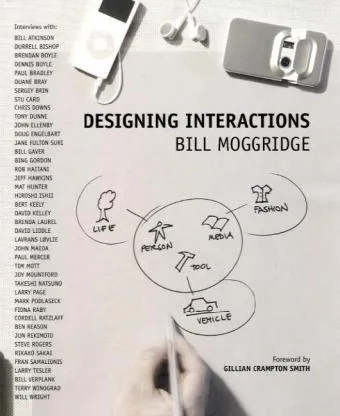
📚 چرا کتاب فیزیکی بخریم؟
- ✅ کیفیت چاپ عالی و کاغذ مرغوب
- ✅ راحتی مطالعه بدون نیاز به دستگاه
- ✅ امکان یادداشتبرداری و هایلایت
- ✅ تحویل سریع در سراسر کشور
قیمت نهایی کتاب
833,000 تومان
شامل چاپ و صحافیلذت ورق زدن یک کتاب واقعی
- سال انتشار: 2007
- صفحات: 723
- اندازه فایل: 145 MB
- زبان: English
- انتشارات: The MIT Press
- تعداد مشاهده: 224
- امتیاز کاربران: 4.7
-
شابک/ISBN:
0262134748
9780262134743
9781429460934
کلمات کلیدی:

Generate PowerPoint Files with LLM
⚡️SlideGenie is an intelligent educational slide generator (Open Source Repository) that leverages the power of OpenAI API to create engaging presentations and converts Mermaid diagrams into visual assets.
Features:
- AI-powered slide content generation
- Automatic Mermaid diagram to image conversion
- Customizable slide templates
- Multi-language support
- Educational content optimization
Designing Interactions
4.7
بر اساس نظر کاربران

شما میتونید سوالاتتون در باره کتاب رو از هوش مصنوعیش بعد از ورود بپرسید
هر دانلود یا پرسش از هوش مصنوعی 2 امتیاز لازم دارد، برای بدست آوردن امتیاز رایگان، به صفحه ی راهنمای امتیازات سر بزنید و یک سری کار ارزشمند انجام بدین![Unleashing the Power of UX Analytics: Proven techniques and strategies for uncovering user insights [Team-IRA] [True PDF]](https://s3.refhub.ir/images/thumb/Unleashing_the_Power_of_UX_Analytics__Proven__9372.webp)










معرفی کتاب «Designing Interactions»
کتاب «Designing Interactions» اثر بیل موگرج (Bill Moggridge)، مرجعی بینظیر برای افرادی است که به تعاملات انسانی با فناوری علاقهمند هستند. این کتاب با تمرکز بر طراحی تعاملات (Interaction Design)، سفر خلاقانهای است که در آن خوانندگان با فرآیندها، مفاهیم و افراد برجستهای آشنا میشوند که به توسعه تعاملات انسانی با فناوری شکل بخشیدهاند.
خلاصهای جامع از کتاب
این کتاب برای طراحان، توسعهدهندگان و علاقهمندان به حوزه UX و Interaction Design نوشته شده است. «Designing Interactions» داستانهایی از طراحان برجسته را روایت میکند که پیشگامان عرصه تعاملات انسان و کامپیوتر بودهاند. بیل موگرج در این کتاب، تجربیات خود و دیگر طراحان را در زمینه ابداع ابزارهای دیجیتال، طراحی رابط کاربری، و رویکردهای انسانی در فناوری بازگو میکند. از توسعه اولین سیستمهای کامپیوتری تا ظهور ابزارهای مدرن و پیچیده مانند Apple Macintosh، این کتاب نمایی کلی از طراحی تعامل در طول زمان ارائه میدهد.
بیل موگرج اعتقاد دارد که طراحی تعامل از ترکیب دانش طراحی صنعتی و علوم انسانی به وجود آمده و این حوزه به مرور زمان به علم اختصاصی خود تکامل پیدا کرده است. او در جستجوی پاسخ به پرسشهای اساسی طراحی از جمله چگونگی سادهسازی فناوری برای انسانها و بهبود تجربه کاربری است. «Designing Interactions» ترکیبی از مصاحبهها، عکسها و مطالعات موردی است که کاملاً تصویری و عملی به حوزه طراحی تعامل میپردازد.
نکات کلیدی از کتاب
- درک عمیق مفهوم Design Thinking و چگونگی استفاده از آن در فرایند طراحی.
- شناسایی فرآیندهای طراحان مطرح در جهان و یادگیری از تجربیات آنها.
- نقش تحقیقات کاربرمحور در ایجاد محصولات و خدمات قابل فهم و مؤثر.
- اهمیت ارزیابی نحوه تعامل میان کاربران و سیستمها برای طراحی بهتر.
- یادگیری تکنیکهای طراحی که به کاربران امکان استفاده سادهتر از فناوریها را میدهد.
جملات معروف از کتاب
“When you focus on interaction design, you shift your perspective from designing things to designing the effects of the things.”
“Good design is about making complex things simpler without removing their functionality.”
“Technology is only useful when it works seamlessly for the user.”
چرا این کتاب اهمیت دارد؟
«Designing Interactions» یکی از کتابهای مرجع و تأثیرگذار در حوزه طراحی تعامل است. این کتاب به طراحان و دانشجویان طراحی کمک میکند تا خیلی عمیقتر به مفاهیم تعاملات انسانی با فناوری نگاه کنند. همچنین، با مصاحبههای دقیق با افراد پیشرو در صنعت، اطلاعات کاربردی بسیاری را در اختیار علاقهمندان به طراحی تجربه و تعاملات کاربری قرار میدهد. ارزش این کتاب در ایجاد پلی است میان تفکر خلاقانه و حل مسئلههای واقعی انسانی با فناوری است. وجود نمونههای واقعی و بحث در مورد چالشها و موفقیتهای طراحان، این کتاب را منبعی ارزشمند برای الهامگیری و یادگیری میسازد که همچنان در طراحی مدرن نقش مهمی ایفا میکند.
این کتاب برای هر کسی که درگیر طراحی ابزارهای دیجیتال، رابطهای انسانی، و بهبود تجربههای کاربران است، اهمیت دارد. بدون شک، «Designing Interactions» بر چگونگی تعامل کاربران با فناوریهای مدرن تأثیر چشمگیری گذاشته است و همچنان به عنوان الهامبخش نسلهای جدید طراحان شناخته میشود.
Welcome to the world of interaction design, a discipline that sits at the intersection of technology, design, and human behavior. My book, Designing Interactions, was crafted to shed light on the fascinating evolution of user-centric design and how it has shaped the way we experience technology today. This introductory overview provides a thoughtful glance into the core ideas, key takeaways, and relevance of the book in today’s digital-first world.
Detailed Summary of the Book
Interaction design has transformed how we engage with the ever-growing universe of digital interfaces, tools, and devices. Designing Interactions chronicles the work of some of the most brilliant designers and technologists, diving deep into their real-world projects to unveil the iterative process and decision-making behind iconic designs. The book presents interviews with pioneers like Doug Engelbart, creator of the computer mouse, and Larry Tesler, who introduced copy-paste functionality, among others. Through these narratives, the book traces the evolution of interactive technologies, from the earliest graphical user interfaces (GUIs) to modern mobile devices and beyond.
The structure of the book juxtaposes storytelling with thoughtful analysis. It enlists a historical perspective on design innovations such as the development of the desktop metaphor, the rise of the Internet as an interactive medium, and the impact of iterative prototyping in refining design solutions. Each chapter integrates insightful anecdotes, real-world examples, and theoretical frameworks, offering readers a blend of inspiration and practical knowledge.
Key Takeaways
Here are some of the most important lessons from Designing Interactions that resonate with designers, technologists, and innovators alike:
- The best designs emerge from a deep understanding of user behavior and human needs.
- Iterative prototyping is a powerful tool in refining and improving interaction design.
- Collaboration across disciplines—integrating design, engineering, and behavioral sciences—leads to groundbreaking innovations.
- Design is never static; it must evolve as technology, culture, and societal expectations shift.
- Simple, intuitive interfaces have the potential to create profound emotional connections with users.
Famous Quotes from the Book
- "Good design is about making decisions that are meaningful, delightful, and empowering to those who use it." – From Chapter 1
- "It is in testing ideas, even when they're wrong, that breakthrough designs emerge." – From Chapter 4
- "The story of human-centered design is a reflection of our ongoing desire to better understand ourselves." – From the Introduction
- "Interaction design is not just about usability; it's about creating moments of connection and value." – From Chapter 8
- "The future of interaction design lies in shaping technology, not merely responding to it." – From the Conclusion
Why This Book Matters
At its core, Designing Interactions matters because it documents a pivotal chapter in human history where design and technology began to merge in extraordinary ways. The book is not just an exploration of how devices came to be; it also serves as an inspiration for anyone seeking to push the boundaries of design, from budding students to seasoned professionals. By illustrating the process, challenges, and triumphs of legendary interaction design projects, it encourages curiosity, reflection, and experimentation.
Moreover, the relevance of this book has only magnified as industries grapple with the challenges of designing for emerging technologies such as artificial intelligence (AI), augmented reality (AR), and the Internet of Things (IoT). Despite being written years ago, the ideas in Designing Interactions remain timeless because they underscore the critical importance of human-centered thinking—a principle that is more essential than ever in navigating the complexities of modern innovation landscapes.
In short, this book is a celebration of the designers who shaped the digital products we use today, as well as a roadmap for the designers of tomorrow. It’s a must-read for anyone who wants to better understand what it means to design experiences that not only function but also inspire and delight.
دانلود رایگان مستقیم
شما میتونید سوالاتتون در باره کتاب رو از هوش مصنوعیش بعد از ورود بپرسید
دسترسی به کتابها از طریق پلتفرمهای قانونی و کتابخانههای عمومی نه تنها از حقوق نویسندگان و ناشران حمایت میکند، بلکه به پایداری فرهنگ کتابخوانی نیز کمک میرساند. پیش از دانلود، لحظهای به بررسی این گزینهها فکر کنید.
این کتاب رو در پلتفرم های دیگه ببینید
WorldCat به شما کمک میکنه تا کتاب ها رو در کتابخانه های سراسر دنیا پیدا کنید
امتیازها، نظرات تخصصی و صحبت ها درباره کتاب را در Goodreads ببینید
کتابهای کمیاب یا دست دوم را در AbeBooks پیدا کنید و بخرید

1224
بازدید4.7
امتیاز0
نظر98%
رضایتنظرات:
4.7
بر اساس 0 نظر کاربران
Questions & Answers
Ask questions about this book or help others by answering
No questions yet. Be the first to ask!