📚 چرا کتاب فیزیکی بخریم؟
- ✅ کیفیت چاپ عالی و کاغذ مرغوب
- ✅ راحتی مطالعه بدون نیاز به دستگاه
- ✅ امکان یادداشتبرداری و هایلایت
- ✅ تحویل سریع در سراسر کشور
قیمت نهایی کتاب
202,000 تومان
شامل چاپ و صحافیلذت ورق زدن یک کتاب واقعی
- سال انتشار: 2015
- صفحات: 147
- اندازه فایل: 20 MB
- زبان: English
- انتشارات: Morgan Kaufmann
- تعداد مشاهده: 236
- امتیاز کاربران: 4.5
-
شابک/ISBN:
0124199690
9780124199699
کلمات کلیدی:

Generate PowerPoint Files with LLM
⚡️SlideGenie is an intelligent educational slide generator (Open Source Repository) that leverages the power of OpenAI API to create engaging presentations and converts Mermaid diagrams into visual assets.
Features:
- AI-powered slide content generation
- Automatic Mermaid diagram to image conversion
- Customizable slide templates
- Multi-language support
- Educational content optimization
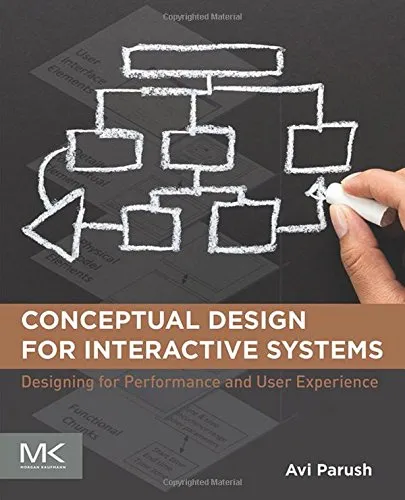
Conceptual Design for Interactive Systems: Designing for Performance and User Experience
4.5
بر اساس نظر کاربران

شما میتونید سوالاتتون در باره کتاب رو از هوش مصنوعیش بعد از ورود بپرسید
هر دانلود یا پرسش از هوش مصنوعی 2 امتیاز لازم دارد، برای بدست آوردن امتیاز رایگان، به صفحه ی راهنمای امتیازات سر بزنید و یک سری کار ارزشمند انجام بدین




معرفی کتاب
کتاب Conceptual Design for Interactive Systems: Designing for Performance and User Experience یکی از منابع برجسته و جامع در زمینه طراحی تعاملی است که نویسنده آن، آوی پاروش، اصولی اساسی را برای طراحی سیستمهایی که بهطور مستقیم با کاربران تعامل دارند، ارائه میکند. این کتاب بر اتصال بینقص میان مفهوم عملکرد (Performance) و تجربه کاربری (User Experience) تمرکز دارد و ترکیب این دو بعد را برای دستیابی به یک طراحی مؤثر و کاربردی توضیح میدهد.
خلاصه کتاب
این اثر شامل دیدگاههای فلسفی، مفهومی، و عملی در زمینه طراحی تعاملی است. نویسنده به شکل سیستماتیک روشهای ایجاد سیستمهایی را مطرح میکند که با نیازها و انتظارات کاربران همخوانی داشته باشد. یکی از مباحث کلیدی کتاب، اهمیت طراحی مبتنی بر کاربر (User-Centered Design) است که در آن تمامی مراحل توسعه سیستم حول محور نیازهای کاربران میچرخد.
کتاب همچنین به ترکیب دو جنبه مهم طراحی تعاملی میپردازد: "عملکرد" که عمدتاً بر کارایی و خروجی سیستم تأکید میکند و "تجربه کاربری" که به جنبههای احساسی، زیباییشناسی، و قابلیت استفاده میپردازد. نویسنده نشان میدهد چگونه این دو جنبه میتوانند در کنار هم کار کنند و یک سیستم بهینه را پدید آورند.
نکات کلیدی
- تمرکز بر مفهوم Human-Centered Design و بررسی تعامل انسان و کامپیوتر (HCI).
- اهمیت مدلسازی مفهومی در فرایند توسعه سیستمهای تعاملی.
- تحلیل عملکرد سیستمها با توجه به نیازهای کاربران و محدودیتهای آنها.
- بررسی اهمیت تأثیرات عاطفی و تجربی کاربران در طراحی.
- نقش طراحان در ایجاد توازن میان الزامات فنی و نیازهای انسانی.
جملات معروف از کتاب
"Designing for performance without considering user experience is like building a ship without considering its passengers."
"The perfect product is not only functional, but also resonates emotionally with its users."
چرا این کتاب مهم است؟
کتاب "Conceptual Design for Interactive Systems" برای هر کسی که در زمینه طراحی تعاملی، طراحی تجربه کاربری، یا توسعه نرمافزار فعالیت میکند، یک منبع ضروری است. در دنیای امروز که تکنولوژی نقشی حیاتی در زندگی روزمره ایفا میکند، توانایی درک تعامل بین انسان و سیستمها بسیار حیاتی است. این کتاب به طراحان، مهندسان نرمافزار، و دیگر حرفهایها کمک میکند تا سیستمهایی طراحی کنند که هم کارا و هم لذتبخش باشند.
این کتاب نه تنها مفاهیم نظری را توضیح میدهد بلکه شامل مثالهای عملی و کارآمدی است که میتواند به خوانندگان کمک کند تا از این مفاهیم در پروژههای خود استفاده کنند. در کنار این، طراحان را تشویق میکند تا تفکری انتقادی به مشکلات طراحی داشته باشند و بهترین روشها را برای حل آنها به کار گیرند.
Introduction to "Conceptual Design for Interactive Systems: Designing for Performance and User Experience"
"Conceptual Design for Interactive Systems: Designing for Performance and User Experience" is a comprehensive guide for professionals and students who are passionate about creating user-centric interactive systems. Through clear explanations, real-world examples, and actionable techniques, this book bridges the gap between theoretical knowledge and practical design principles, offering invaluable insights on creating systems that deliver both exceptional performance and outstanding user experiences.
In today’s fast-paced digital environment, the success of any interactive system hinges on its ability to meet users' expectations and deliver tangible value. This book takes a conceptual approach, helping designers, developers, and UX practitioners rethink their design processes and prioritize the users' needs from the outset. It emphasizes the importance of striking a balance between usability, accessibility, and performance to deliver interactive systems that stand out in a competitive marketplace.
Detailed Summary of the Book
The book is structured around a solid framework for understanding and implementing conceptual design in interactive systems. It begins by introducing the fundamental principles of conceptual design, emphasizing the importance of clarity and consistency in user interactions. Readers will find an in-depth discussion of the role that mental models play in informing design decisions. The book underscores the significance of aligning a system's design with users' mental models to create intuitive and user-friendly interfaces.
Moving beyond principles, there is a detailed exploration of the iterative design process. Topics such as user research, scenario development, prototyping, and usability testing are covered comprehensively. These techniques help designers validate their decisions and build systems that evolve with users' needs. Additionally, the book discusses how to balance competing requirements, such as performance optimization and aesthetics, without compromising user experience.
The latter sections of the book tackle advanced topics, including designing for diverse user populations, adaptive systems, and the integration of emerging technologies. It's not just about the "how" of designing systems but also the "why," providing a critical lens to evaluate and improve design processes at every stage.
Key Takeaways
- Understand the foundations of conceptual design and its role in creating intuitive interactive systems.
- Learn to align design with users' mental models to enhance usability and satisfaction.
- Master iterative design techniques, including user research, prototyping, and usability testing.
- Explore strategies for improving system performance while maintaining accessibility and aesthetics.
- Gain insights into designing for diverse populations and incorporating adaptive features into systems.
- Discover how emerging technologies can enhance user experience and generate new opportunities in design.
Famous Quotes from the Book
"The success of an interactive system lies not in its complexity but in its ability to make the complex appear simple to its users."
"Good design begins with a deep understanding of users’ mental models and ends with systems that adapt to their needs without forcing them to adapt to ours."
"A seamless user experience is the intersection of great design and powerful performance — one cannot exist without the other."
Why This Book Matters
In a world where technology constantly evolves, creating systems that resonate with users has never been more critical. This book matters because it provides the tools and frameworks needed to design interactive systems that not only perform efficiently but also delight users. It goes beyond surface-level aesthetics, focusing on the deeper aspects of interaction design, such as usability, accessibility, and adaptability.
Designers and developers often face challenges when balancing user expectations and technological constraints. This book equips them with the knowledge to navigate these challenges effectively and create systems that are not only innovative but also meaningful. Furthermore, its emphasis on iteration and feedback ensures that the solutions remain relevant in dynamically changing contexts.
Whether you are an experienced professional or a newcomer to interaction design, "Conceptual Design for Interactive Systems" offers valuable insights that will inspire and empower you to create systems that truly make a difference in users' lives.
دانلود رایگان مستقیم
شما میتونید سوالاتتون در باره کتاب رو از هوش مصنوعیش بعد از ورود بپرسید
دسترسی به کتابها از طریق پلتفرمهای قانونی و کتابخانههای عمومی نه تنها از حقوق نویسندگان و ناشران حمایت میکند، بلکه به پایداری فرهنگ کتابخوانی نیز کمک میرساند. پیش از دانلود، لحظهای به بررسی این گزینهها فکر کنید.
این کتاب رو در پلتفرم های دیگه ببینید
WorldCat به شما کمک میکنه تا کتاب ها رو در کتابخانه های سراسر دنیا پیدا کنید
امتیازها، نظرات تخصصی و صحبت ها درباره کتاب را در Goodreads ببینید
کتابهای کمیاب یا دست دوم را در AbeBooks پیدا کنید و بخرید

1236
بازدید4.5
امتیاز0
نظر98%
رضایتنظرات:
4.5
بر اساس 0 نظر کاربران
Questions & Answers
Ask questions about this book or help others by answering
No questions yet. Be the first to ask!