Loading
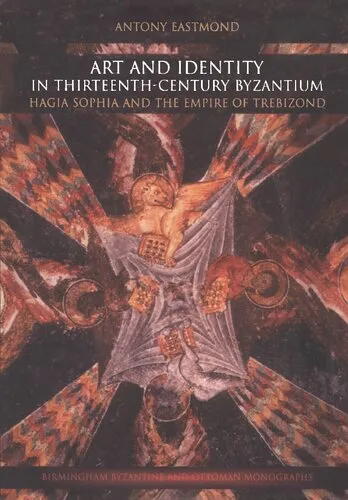
Cover of Art and Identity in Thirteenth-Century Byzantium: Hagia Sophia and the Empire of Trebizond (Birmingham Byzantine and Ottoman Studies)

معرفی و ارزیابی کتاب

Art and Identity in Thirteenth-Century Byzantium: Hagia Sophia and the Empire of Trebizond (Birmingham Byzantine and Ottoman Studies)

Antony Eastmond

English Advanced هنر
4.5 / 5

0 نظر

2004

سال انتشار

247

صفحه

373

بازدید

The church of Hagia Sophia in Trebizond, built by the emperor Manuel I Grand Komnenos (1238-63) in the aftermath of the fall of Constantinople to the Fourth Crusade, is the finest surviving Byzantine imperial monument of its period. Art and Identity in Thirteenth-Century Byzantiu

پیش از خواندن

این کتاب چه چیزی به شما می‌دهد؟

The church of Hagia Sophia in Trebizond, built by the emperor Manuel I Grand Komnenos (1238-63) in the aftermath of the fall of Constantinople to the Fourth Crusade, is the finest surviving Byzantine imperial monument of its period. Art and Identity in Thirteenth-Century Byzantium is the first investigation of the church in more than thirty years, and is extensively illustrated in colour and black-and-white, with many images that have never previously been published. Antony Eastmond examines the architectural, sculptural and painted decorations of the church, placing them in the context of contemporary developments elsewhere in the Byzantine world, in Seljuq Anatolia and among the Caucasian neighbours of Trebizond. Knowledge of this area has been transformed in the last twenty years, following the collapse of the Soviet Union. The new evidence that has emerged enables a radically different interpretation of the church to be reached, and raises questions of cultural interchange on the borders of the Christian and Muslim worlds of eastern Anatolia, the Caucasus and Persia. This study uses the church and its decoration to examine questions of Byzantine identity and imperial ideology in the thirteenth century. This is central to any understanding of the period, as the fall of Constantinople in 1204 divided the Byzantine empire and forced the successor states in Nicaea, Epiros and Trebizond to redefine their concepts of empire in exile. Art is here exploited as significant historical evidence for the nature of imperial power in a contested empire. It is suggested that imperial identity was determined as much by craftsmen and expectations of imperial power as by the emperor's decree; and that this was a credible alternative Byzantine identity to that developed in the empire of Nicaea.

از این کتاب بپرس

پرسشت با عنوان و نویسنده همین کتاب برای دستیار ارسال می‌شود. هر پاسخ ۲ امتیاز مصرف می‌کند.

وارد شوید تا بتوانید از دستیار کتاب بپرسید.

نظر خوانندگان

0 نظر، میانگین 4.5 از ۵

هنوز نظری ثبت نشده

اگر این کتاب را خوانده‌اید، تجربه‌تان را با دیگران به اشتراک بگذارید.

نظر خودت را بنویس

وارد شوید تا نظر خود را ثبت کنید.

پرسش و پاسخ خوانندگان

سؤال مشخص بپرس و از تجربه جامعه استفاده کن.

وارد شوید تا سؤال بپرسید یا پاسخ بدهید.

هنوز پرسشی ثبت نشده

اولین سؤال روشن و مفید را شما مطرح کنید.