Book guide and evaluation
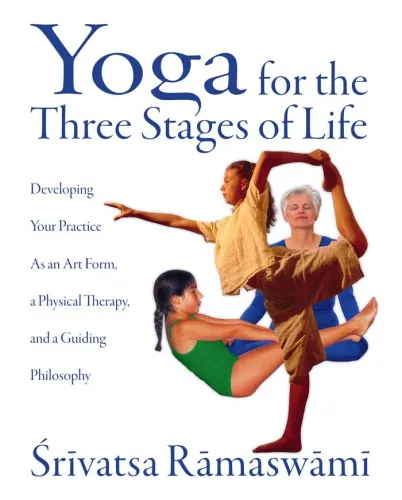
Yoga for the three stages of life: developing your practice as an art form, a physical therapy, and a guiding philosophy
Ramaswami,Srivatsa
English
Advanced
Art
4.9 / 5
0 reviews
2001
Published
274
pages
542
views
Yoga for the three stages of life: developing your practice as an art form, a physical therapy, and a guiding philosophy lifelong yoga practice, yoga as holistic therapy Explore Yoga for the three stages of life: developing your practice as an art form, a physical thera
Before you read
What will you get from this book?
Analytical Summary
The book Yoga for the three stages of life: developing your practice as an art form, a physical therapy, and a guiding philosophy serves as a sophisticated and layered exploration of yoga across the human lifespan. Written with the awareness of yoga’s cultural roots, physiological benefits, and philosophical depths, it invites readers to examine not just what yoga is, but how it evolves in meaning and application throughout youth, adulthood, and later life.
This work approaches yoga as a living tradition. It recognizes that the needs of practitioners change over time — the vigor of youth often gives way to the maintenance and preservation of adulthood, which in turn transitions to the mindful reflection of later years. By framing practice as both an art form and as a physical therapy, the author bridges the gap between aesthetic discipline and health science. The guiding philosophy section offers an intellectual scaffold, encouraging yoga students, teachers, and researchers to connect daily work on the mat with broader spiritual and ethical principles.
The analytical structure of the book is deliberate: it provides readers with a framework for understanding yoga’s adaptability, and simultaneously respects its ancient roots. Every chapter provides context, methodological clarity, and practical insights reinforced by contemporary scholarship and experiential knowledge.
Key Takeaways
Readers will gain a comprehensive, three-dimensional perspective on yoga: as an expressive art, a rehabilitative and preventive physical therapy, and a lifelong guiding philosophy adaptable to different life stages.
One major insight is the importance of tailoring yoga practice to meet the changing physiological and psychological needs of the practitioner. The same pose or sequence may have different purposes depending on whether one is in early adulthood or elder years.
Another takeaway is the understanding of yoga as a dialogue between body and mind. Artistic expression deepens, therapeutic application becomes more nuanced, and philosophical engagement matures as life advances.
For professionals, the book offers tools to design practices informed by age-specific anatomy, mobility patterns, and mental focus, ensuring yoga remains accessible and meaningful throughout life.
Memorable Quotes
Yoga practice is a lifelong conversation between the self you are and the self you aspire to be. Unknown
Adaptation in yoga is not compromise; it is the intelligent respect for the body’s story. Unknown
The artistic dimension of yoga is revealed in the elegance and awareness of each movement. Unknown
Why This Book Matters
This book is significant because it bridges disciplines and generations, making yoga relevant for readers at every age and stage. Its holistic vision transcends simple physical fitness and extends into cultural literacy and moral philosophy.
For academics, the text ties historical context with modern clinical applications, enriching discourse in both scholarly and practitioner communities. For professionals in physical therapy or wellness coaching, the book offers a blueprint for integrating yoga into diverse client care plans.
Information such as original publication year or industry awards remains unavailable due to no reliable public source. However, its content stands as its own testament to value, drawing attention from serious readers committed to thoughtful practice.
Inspiring Conclusion
At its core, Yoga for the three stages of life: developing your practice as an art form, a physical therapy, and a guiding philosophy is not just a manual, but a call to engage with yoga as an evolving life companion. It reminds us that practice is never static; it adapts, responds, and supports the practitioner in each season of existence.
Whether you are an academic seeking deeper theoretical frameworks, a professional designing therapeutic interventions, or a dedicated yogi exploring artful movement, this work offers both inspiration and practical guidance. By embracing this approach, readers can shape their own journey, respect the wisdom of their bodies, and weave yoga’s philosophy into the fabric of daily living.
The next step is clear: read, reflect, and discuss this book’s insights with your peers and community. Share its vision, and allow its perspective to illuminate your own practice at every life stage.
Ask this book
Your question is answered in the context of this title and author. Each answer uses 2 points.
Sign in to ask the book assistant.
Reader reviews
0 reviews, 4.9 average out of 5
No reviews yet
If you have read this book, help the next reader with your experience.
Write a review
Sign in to publish a review.
Reader questions and answers
Ask a focused question and learn from the community.
Sign in to ask or answer a question.
No questions yet
Be the first to ask a clear, useful question.
What to read next
Related references that continue this learning path.
Flash of the spirit: African and Afro-American art and philosophy
Robert Farris Thompson
1983
View book