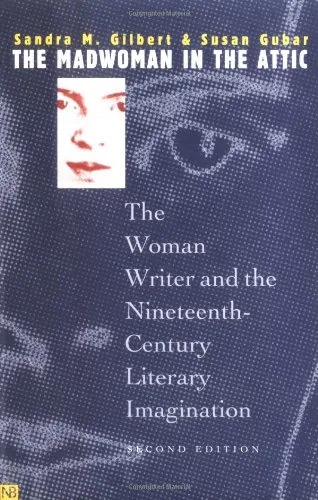
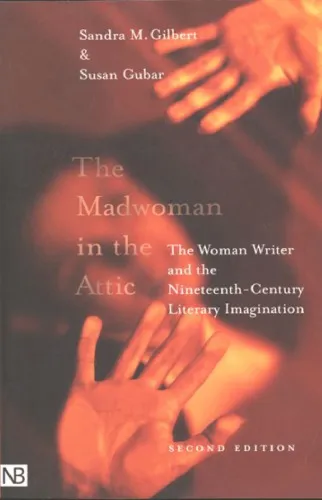
The Madwoman in the Attic: The Woman Writer and the Nineteenth-Century Literary Imagination, Second Edition (Nota Bene)
Professor Sandra M. Gilbert,Professor Susan Gubar
2000
View book
Book guide and evaluation
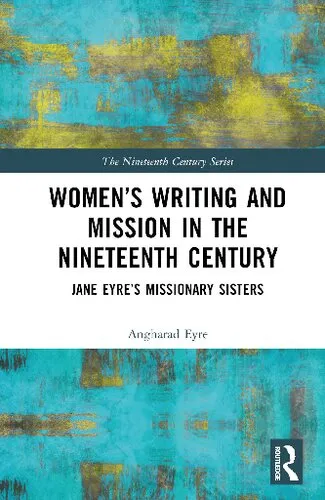
Angharad Eyre
0 reviews
Published
pages
views
Introduction "Women’s Writing and Mission in the Nineteenth Century: Jane Eyre’s Missionary Sisters" is a compelling exploration of the intersection between literature, gender, and missionary work in the nineteenth century. This influential work provides a nuanced examinat
Before you read
"Women’s Writing and Mission in the Nineteenth Century: Jane Eyre’s Missionary Sisters" is a compelling exploration of the intersection between literature, gender, and missionary work in the nineteenth century. This influential work provides a nuanced examination of how women writers engaged with and contributed to the missionary narrative of the time, often challenging the prevailing ideologies and expectations of women within society. By focusing particularly on the legacy of Charlotte Brontë’s "Jane Eyre", the book positions itself as an essential resource for understanding the cultural and literary dynamics that shaped women’s roles both in literature and in the broader imperial project of mission work.
The book delves into the ways in which women's writing and missionary activities were intertwined in the nineteenth century, with a primary focus on the works and influences of writers like Charlotte Brontë. The text discusses how "Jane Eyre" sets the stage for understanding the missionary impulse in literature, highlighting Jane Eyre’s complexity as a character in a world that demands her submission to missionary zeal through the character of St. John Rivers. It examines how this portrayal of resistance against and compliance with missionary work influenced other women writers.
Moving beyond Brontë, the book investigates lesser-known authors who contributed to the discourse on mission work, scrutinizing their narratives to illustrate the varied perspectives women held about faith, conversion, and imperialism. Through the examination of diaries, letters, and fiction from missionary women and their critics, the book sheds light on how these narratives served as a battleground for gender roles and colonial power dynamics.
"Through the lens of missionary work, we can see women's rebellion against the strictures of their time, woven subtly within their tales and testimonies."
"The missionary impetus was not simply an imperial design but also a canvas for women to assert their agency within the confines of Victorian society."
This book matters because it provides a critical platform for re-examining the contribution of women in the context of missionary work, an area traditionally dominated by male voices. By centering women’s experiences and narratives, it offers fresh insights into the cultural and literary landscapes of the nineteenth century. The analysis elevates the voices of women who navigated the turbulent seas of faith, imperialism, and personal expression. For scholars of literature, gender studies, and history, this book is an essential read that enriches our understanding of how past conflicts and dialogues continue to inform our present.
Understanding this intricate period through the voices of women helps dismantle long-standing stereotypes and expands the current scholarship on missionary work and its impact on global cultures. Ultimately, the book invites readers to reconsider the historical contributions of women and their enduring legacy in missionary narratives and beyond.
Your question is answered in the context of this title and author. Each answer uses 2 points.
0 reviews, 5.0 average out of 5
Sign in to publish a review.
Ask a focused question and learn from the community.
Related references that continue this learning path.
Professor Sandra M. Gilbert,Professor Susan Gubar
Sandra M. GilbertandSusan Gubar.