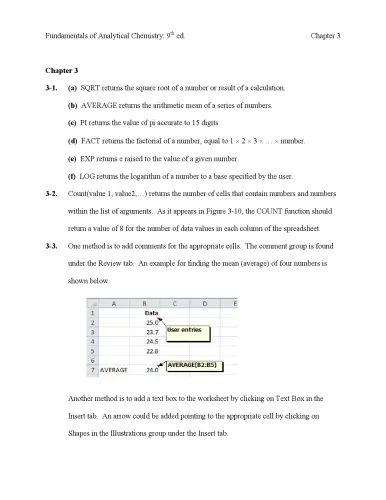
Instructor's Solutions Manual to Fundamentals of Analytical Chemistry
Douglas A. Skoog,Donald M. West,F. James Holler,Stanley R. Crouch
2013
View book

Book guide and evaluation
John Block,John M. Beale
0 reviews
Published
pages
views
Introduction to "Wilson & Gisvold's Textbook of Organic Medicinal and Pharmaceutical Chemistry" "Wilson & Gisvold's Textbook of Organic Medicinal and Pharmaceutical Chemistry" is widely regarded as a cornerstone resource in the field of medicinal chemistry and pharmaceutic
Before you read
"Wilson & Gisvold's Textbook of Organic Medicinal and Pharmaceutical Chemistry" is widely regarded as a cornerstone resource in the field of medicinal chemistry and pharmaceutical sciences. Renowned for its exceptional clarity, depth of content, and relevance to both academia and industry, this textbook provides a comprehensive exploration of the chemistry behind drug design, development, and the molecular interaction of medicines. Authored by highly respected professionals, including myself, the book serves as an essential guide for students, researchers, and practitioners who aim to understand and navigate the complex world of organic medicinal chemistry.
This text serves as a bridge between the fundamental principles of organic chemistry and their application in pharmaceutical science. It delves deep into understanding the structural and chemical modifications of organic compounds as they relate to biological activities, therapeutic potential, and safety considerations. Whether you are a student learning the basics or a seasoned professional seeking to refine your knowledge, this book equips you with the essential frameworks and insights needed to excel in the field.
The textbook is meticulously organized into chapters that address key areas of medicinal chemistry and pharmaceutical science. Each chapter combines theoretical concepts with practical applications, making it a highly valuable resource for a diverse audience. The book begins with foundational topics such as the principles of drug design, stereochemistry, and the relationship between chemical structure and pharmacological activity.
Subsequent chapters dive into the pharmacokinetics and pharmacodynamics of drugs, highlighting how they are absorbed, distributed, metabolized, and excreted. The text also explores the chemical nature and interaction of various drug classes, including antibiotics, anticancer drugs, anti-inflammatory agents, cardiovascular drugs, and central nervous system agents. A unique aspect of the book is its integration of organic chemistry knowledge to explain the logic behind drug synthesis and mechanisms of action.
Each section of the book is supported by real-world examples and case studies, which not only enhance understanding but also demonstrate the relevance of medicinal chemistry to modern pharmaceutical innovation. These examples underscore how this discipline continues to play a critical role in addressing some of humanity's most pressing medical challenges, such as infectious diseases, neurological disorders, and chronic illnesses.
"Wilson & Gisvold's Textbook of Organic Medicinal and Pharmaceutical Chemistry" offers readers numerous key insights:
"Medicinal chemistry stands at the crossroads of chemistry, biology, and medicine, offering solutions to some of humanity's greatest healthcare challenges."
"Understanding the chemical language of nature enables us to construct therapeutics that speak to the body in ways it understands."
"Drug discovery is not just about finding cures but also about understanding the intricate and elegant dance of molecules within living systems."
This textbook is more than just a repository of knowledge; it is a beacon for anyone interested in the intricate art and science of medicinal chemistry. As the pharmaceutical industry evolves and new challenges emerge, the book continues to serve as a timeless resource that adapts to modern advancements in the field. It not only provides a solid foundation in the core principles of organic medicinal chemistry but also inspires innovation and critical thinking.
The ability to synthesize new chemical compounds and predict their biological efficacy is a skill of critical importance for combating disease and improving human health. This book equips its readers with that skill set. Furthermore, its integration of scientific rigor with practical applications ensures that readers leave with actionable knowledge that can directly impact pharmaceutical design, research, and development in the real world.
Whether you are preparing for a career in medicinal chemistry, working in the pharmaceutical industry, or advancing research in pharmacology, this book provides the essential tools, insights, and inspiration to succeed. By blending historical context with cutting-edge science, "Wilson & Gisvold's Textbook of Organic Medicinal and Pharmaceutical Chemistry" stands as a pillar of knowledge and a testament to the importance of chemistry in modern medicine.
Your question is answered in the context of this title and author. Each answer uses 2 points.
0 reviews, 4.5 average out of 5
Sign in to publish a review.
Ask a focused question and learn from the community.
Related references that continue this learning path.
Douglas A. Skoog,Donald M. West,F. James Holler,Stanley R. Crouch
Viktoria F. Roche,S. William Zito,Thomas L. Lemeke,David A. Williams