Book guide and evaluation
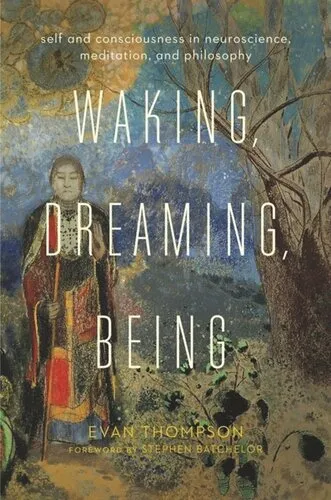
Waking, Dreaming, Being: Self and Consciousness in Neuroscience, Meditation, and Philosophy
Evan Thompson;Stephen Batchelor
English
Beginner
Sport
4.5 / 5
0 reviews
2014
Published
496
pages
505
views
Welcome to an exploration of the dynamic interplay between neuroscience, meditation, and philosophy in "Waking, Dreaming, Being: Self and Consciousness in Neuroscience, Meditation, and Philosophy" by Evan Thompson and Stephen Batchelor. This profound work brings together th
Before you read
What will you get from this book?
Welcome to an exploration of the dynamic interplay between neuroscience, meditation, and philosophy in "Waking, Dreaming, Being: Self and Consciousness in Neuroscience, Meditation, and Philosophy" by Evan Thompson and Stephen Batchelor. This profound work brings together the threads of Western scientific inquiry and Eastern contemplative insights to weave a comprehensive narrative about the nature of self and consciousness. Let us delve into the rich offerings of this book with a detailed summary, key takeaways, famous quotes, and an elucidation of why this book holds significant importance.
Detailed Summary of the Book
"Waking, Dreaming, Being" provides an integrative perspective on what it means to be conscious and how this relates to the notion of self. Spanning over the lived experiences of waking, dreaming, and deep sleep, the authors examine these states through the lens of cognitive neuroscience, philosophical analysis, and the meditative practices of Buddhism and Advaita Vedanta.
The book considers how the brain and body create a sense of self and identity during the waking state, how dreaming provides insight into consciousness and creativity, and how deep sleep challenges our understanding of self-awareness and existence. Through the juxtaposition of scientific studies and meditative philosophies, Thompson and Batchelor invite readers to consider consciousness as a dynamic process rather than a static entity.
Key Takeaways
- Interconnectedness of States: The book illustrates how waking, dreaming, and being are interconnected states of consciousness, each offering unique insights into the nature of selfhood.
- Questioning the Self: It challenges the conventional understanding of a fixed self, proposing a fluid and transformative conception of identity shaped by both internal and external factors.
- Meditative Insights: Incorporating contemplative practices into daily life can enrich our understanding of consciousness and promote mental well-being.
- Scientific and Philosophical Convergence: The integration of neuroscience with philosophical thought and meditation rituals showcases how these domains can collaboratively enhance our comprehension of the mind.
Famous Quotes from the Book
"Just as a spider spins its web and then lives in it, so do humans create a cognitive web that they inhabit."
"Waking, dreaming, and being show us that the consciousness we experience is not merely a product of the brain but an ensemble of relationships between the body, the brain, and the world."
Why This Book Matters
"Waking, Dreaming, Being" contributes significantly to the discourse on consciousness by bridging Eastern and Western perspectives, thereby fostering a holistic understanding of the self. Its interdisciplinary approach serves as a crucial reminder that consciousness studies cannot be confined to a single domain but must embrace the insights from diverse fields. The book's exploration of how ancient meditation traditions can inform scientific inquiries makes it a pivotal resource for anyone interested in the depth and breadth of human consciousness. Moreover, as we continue to advance in fields like artificial intelligence and cognitive science, understanding consciousness from a broader perspective becomes increasingly vital.
Ultimately, the book challenges readers to reflect on their own experiences of consciousness, encouraging personal exploration and growth. It is an essential read for philosophers, neuroscientists, meditation practitioners, and anyone intrigued by the profound questions of existence.
Ask this book
Your question is answered in the context of this title and author. Each answer uses 2 points.
Sign in to ask the book assistant.
Reader reviews
0 reviews, 4.5 average out of 5
No reviews yet
If you have read this book, help the next reader with your experience.
Write a review
Sign in to publish a review.
Reader questions and answers
Ask a focused question and learn from the community.
Sign in to ask or answer a question.
No questions yet
Be the first to ask a clear, useful question.
What to read next
Related references that continue this learning path.
The Mind Illuminated: A Complete Meditation Guide Integrating Buddhist Wisdom and Brain Science
Culadasa (John Yates),M. Immergut
2011
View book
The Sabermetric Revolution: Assessing the Growth of Analytics in Baseball
Benjamin Baumer;Andrew Zimbalist
2014
View book