
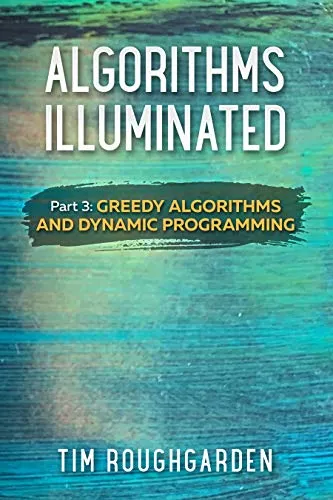
Algorithms Illuminated (Part 3): Greedy Algorithms and Dynamic Programming
Tim Roughgarden
2019
View book
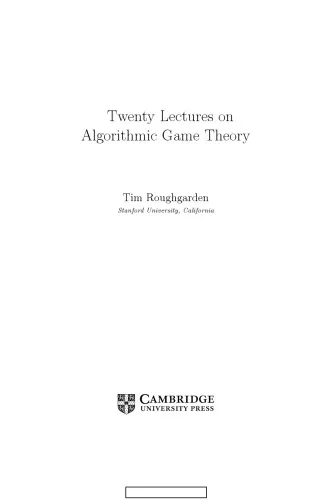
Book guide and evaluation
Tim Roughgarden
0 reviews
Published
pages
views
Introduction to "Twenty Lectures on Algorithmic Game Theory" "Twenty Lectures on Algorithmic Game Theory" serves as an engaging and accessible introduction to the vibrant intersection of computer science and economics. Authored by Tim Roughgarden, a renowned expert
Before you read
"Twenty Lectures on Algorithmic Game Theory" serves as an engaging and accessible introduction to the vibrant intersection of computer science and economics. Authored by Tim Roughgarden, a renowned expert in the field of theoretical computer science, this book expertly bridges the gap between algorithm design and game theory, making complex ideas easier to grasp for students, researchers, and even industry practitioners. It offers a deep dive into principled problem-solving techniques with a lens toward applications in modern digital economies, platforms, and systems.
Over 20 meticulously crafted lectures, the book provides a balance between breadth and depth, introducing both foundational theories and their cutting-edge applications. Whether your focus is on auctions, mechanism design, network games, or market equilibria, Roughgarden's approach to algorithmic game theory empowers readers to develop a strong conceptual framework as well as practical tools for tackling real-world computational problems.
The book is organized into 20 chapters, or "lectures," each designed to stand on its own while contributing to a cohesive understanding of algorithmic game theory. Beginning with an overview of game theory fundamentals, such as Nash equilibria and basic auction theory, Roughgarden introduces the idea of computational efficiency and complexity as they relate to economic environments.
As the lectures progress, the book explores more advanced topics like the price of anarchy, smoothing techniques, and network formation games. Central to these lectures is the exploration of how selfish agent behavior influences system-level outcomes and how systems can be optimized through algorithmic means. Key topics include:
These lectures are united by recurring themes: balancing theory and practice, understanding incentives, and leveraging computational tools to improve system design.
This book is particularly valuable for computer scientists, economists, and game theorists due to its interdisciplinary approach. Here are some key takeaways:
“Selfishness is not necessarily destructive—in fact, much of modern game theory is based on understanding how selfish, rational agents interact.”
“Algorithmic game theory shines brightest when it moves beyond descriptive analysis to contribute to the constructive design of systems.”
“Mechanism design is sometimes referred to as ‘reverse game theory’—it’s the art of designing rules so that rational behavior leads to socially desirable outcomes.”
"Twenty Lectures on Algorithmic Game Theory" is more than a textbook—it's a guide to understanding the essential concepts and methodologies that underlie much of today’s digital economy. With platforms benefiting from auctions, advertising networks, and online marketplaces, this book provides a crucial foundation for understanding the dynamics that power these systems.
As the field of algorithmic game theory continues to expand, its implications grow ever more relevant. From optimizing traffic flow in smart cities to designing cryptocurrencies and blockchain systems, this discipline offers solutions to modern computational, economic, and societal challenges. Roughgarden’s clear writing style, complemented by rigorous explanations and real-world analogies, makes this book an indispensable resource for students and professionals alike.
Whether you're a beginner in the field or an experienced scholar seeking to deepen your understanding of algorithmic game theory, this book provides the knowledge and tools necessary to approach these challenges from both theoretical and practical perspectives.
Your question is answered in the context of this title and author. Each answer uses 2 points.
0 reviews, 4.8 average out of 5
Sign in to publish a review.
Ask a focused question and learn from the community.
Related references that continue this learning path.
Tim Roughgarden
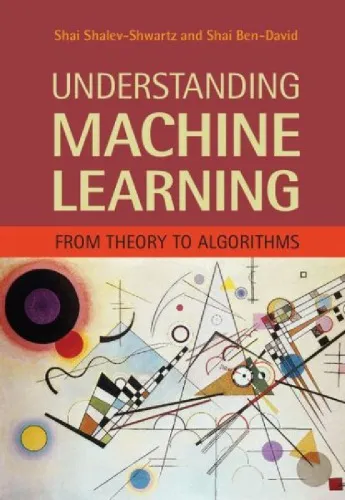
Shalev-Shwartz S.,Ben-David S.

Manju Khari,Deepti Bala Mishra,Biswaranjan Acharya,Ruben Gonzalez Crespo
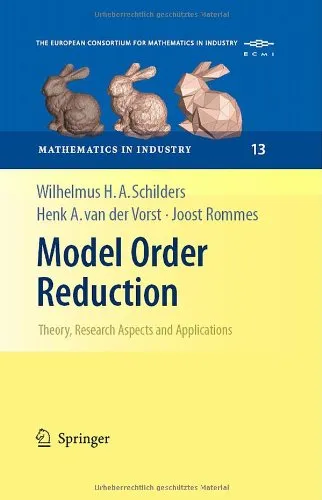
Wil Schilders (auth.),Wilhelmus H. A. Schilders,Henk A. van der Vorst,Joost Rommes (eds.)