
Book guide and evaluation
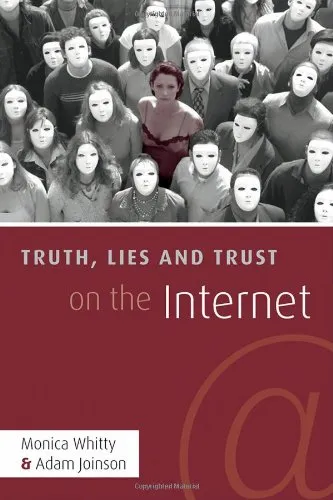
Truth, Lies and Trust on the Internet
Monica T. Whitty,Adam Joinson
English
Beginner
Software Engineering
5.0 / 5
0 reviews
2008
Published
185
pages
296
views
In today's fast-paced, digitally connected world, the lines between truth, lies, and trust have become increasingly blurred. The internet—a marvel of human ingenuity—offers boundless opportunities for connection, communication, and knowledge-sharing. However,
Before you read
What will you get from this book?
In today's fast-paced, digitally connected world, the lines between truth, lies, and trust have become increasingly blurred. The internet—a marvel of human ingenuity—offers boundless opportunities for connection, communication, and knowledge-sharing. However, it also serves as fertile ground for deception, manipulation, and broken trust. The book 'Truth, Lies and Trust on the Internet', authored by Monica T. Whitty and Adam Joinson, delves into these critical issues, exploring the psychological and social dynamics that shape our online lives. Through thought-provoking analysis and compelling research, it sheds light on how individuals build or destroy trust in the online landscape while navigating the uncertain terrain between truth and falsehood.
Detailed Summary of the Book
The book is an insightful exploration into how the internet affects our perceptions of truth and trust. By analyzing real-world scenarios and integrating research from the fields of psychology and communication, Whitty and Joinson address how anonymity, identity construction, and social norms intersect in the online world. They highlight the contrast between in-person interactions—where social cues allow for the discernment of trustworthiness—and the digital realm, where deception can easily flourish due to physical separation and the lack of non-verbal cues.
The authors also investigate the various forms of deception on the internet, ranging from harmless white lies to more serious crimes, such as catfishing, fraud, and identity theft. They examine the psychological motivations behind online deception, illustrating an important point: the internet is not only a mirror to human behavior but also a magnifier of our tendencies to deceive or be deceived. Additionally, the book discusses how individuals develop trust in virtual environments, such as online dating platforms or professional collaborations in cyberspace. Whitty and Joinson explore the underlying strategies people use to determine trustworthiness in the absence of face-to-face interaction.
Furthermore, the book examines the broader societal implications of truth and lies on the internet, touching upon fake news, online activism, and misinformation campaigns. The analysis is structured around real-world implications, making it accessible and relevant to both academics and laypersons interested in understanding how digital spaces are reshaping human relationships. The book does not merely critique these challenges—it also proposes strategies for fostering trust and promoting ethical behavior online.
Key Takeaways
- The role of anonymity and identity in shaping deceit and trust online.
- Psychological strategies used to detect deception in digital communications.
- The impact of technology on human connections, trust-building, and ethical behavior.
- How misinformation campaigns and fake news thrive due to the structure of online platforms.
- Practical suggestions for fostering trust and mitigating deception online.
Famous Quotes from the Book
"The internet is not just a backdrop for our interactions—it actively shapes human behavior, amplifying both our best and worst tendencies."
"Trust online is a fragile construct, heavily dependent on intangible signals and unspoken agreements."
"Lies travel faster in digital spaces, but so too can collective efforts to uncover the truth."
Why This Book Matters
'Truth, Lies and Trust on the Internet' is a critical read for anyone seeking to understand the complexities of human behavior in the digital age. In a world where online interactions increasingly define personal relationships, professional collaborations, and societal discourse, this book provides a roadmap for navigating a landscape fraught with both opportunities and challenges. Whitty and Joinson’s expertise lends weight to their analysis, making the book not only relevant for scholars and researchers but also highly accessible to a general audience. As the internet continues to evolve, the lessons derived from this book will remain vital, helping readers develop a sharper, more discerning eye when building trust in the digital domain. It challenges us all to consider how we engage with others online and reminds us of the ethical responsibilities we carry in these interactions. This is not just a book—it is a guide to understanding and navigating the digital terrain where truth, lies, and trust intersect.
Ask this book
Your question is answered in the context of this title and author. Each answer uses 2 points.
Sign in to ask the book assistant.
Reader reviews
0 reviews, 5.0 average out of 5
No reviews yet
If you have read this book, help the next reader with your experience.
Write a review
Sign in to publish a review.
Reader questions and answers
Ask a focused question and learn from the community.
Sign in to ask or answer a question.
No questions yet
Be the first to ask a clear, useful question.
What to read next
Related references that continue this learning path.


Modern Computer Vision with PyTorch: A Practical Roadmap From Deep Learning Fundamentals to Advanced Applications and Generative AI, 2nd Edition
V Kishore Ayyadevara,Yeshwanth Reddy
2023
View book