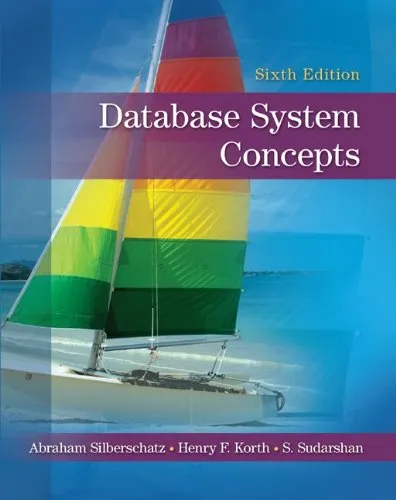
Database System Concepts, 6th Edition
Abraham Silberschatz,Henry F. Korth,S. Sudarshan
2010
View book
Book guide and evaluation
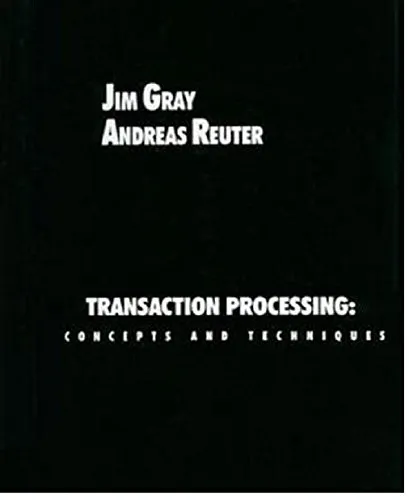
Jim Gray,Andreas Reuter
0 reviews
Published
pages
views
Introduction to "Transaction Processing: Concepts and Techniques" Written by Jim Gray and Andreas Reuter, Transaction Processing: Concepts and Techniques is a definitive guide in the field of transaction processing systems, blending theory with practical knowledge in datab
Before you read
Written by Jim Gray and Andreas Reuter, Transaction Processing: Concepts and Techniques is a definitive guide in the field of transaction processing systems, blending theory with practical knowledge in database management, distributed computing, and application design. The book is an essential resource for database practitioners, computer scientists, and anyone who seeks to understand the intricate functionality of transactional systems that drive modern applications.
The book meticulously explains the foundational principles of transaction processing and system reliability, while also providing detailed insight into architectural and implementation patterns. With every page, it explores real-world examples of transactional systems delivering performance and fault tolerance. This comprehensive text balances academic rigor with pragmatic approaches, making it not just a learning tool but an operationally effective guide for database experts and developers.
The book approaches transaction processing as an integral aspect of reliable and scalable computing systems. It systematically delves into the concepts of transactions as fundamental units for ensuring consistency, isolation, and durability in data processing.
Topics include:
The authors illustrate these complex topics through practical examples, case studies, and rich references to industrial-strength transactional systems, making the subject accessible to readers with varying levels of expertise.
This book is rich with wisdom, offering insights built from decades of research and industrial experience. Below are some memorable quotes from the book:
“Transactions provide a reliable way of structuring computation and ensuring data consistency, even in the face of system crashes or concurrent access.”
“The challenge of transaction management is not only to ensure correctness but to do so efficiently and robustly, even at scale and under unpredictable circumstances.”
“Concurrency control is the glue that binds together the illusion of isolation in a world of shared resources.”
The importance of Transaction Processing: Concepts and Techniques cannot be overstated. At its heart, the book addresses the challenges of ensuring reliability, consistency, and scalability in systems that must function round the clock. These challenges remain among the most critical concerns in computing today.
Whether you are designing a banking system, a travel reservation engine, or simply a small e-commerce application, the principles presented in this book form the foundation of transactional reliability and robustness. The content is not merely theoretical; it provides a playbook for deploying and troubleshooting transactional systems that perform at scale in the real world.
The authors, Jim Gray and Andreas Reuter, bring unparalleled expertise to the subject, blending academic theory with industry experience. As a result, this book holds value for students and practitioners alike, helping readers build systems that not only function well but continue to perform and deliver even under failure scenarios and high demand.
This book has shaped countless professionals and researchers, making it a cornerstone of education and practice in computer science, particularly in the fields of databases and distributed systems.
Are you ready to explore transactional systems in their full complexity and glory? Then this is the guide that will shape your journey through the world of fault-tolerance, scalability, and performance.
Your question is answered in the context of this title and author. Each answer uses 2 points.
0 reviews, 4.7 average out of 5
Sign in to publish a review.
Ask a focused question and learn from the community.
Related references that continue this learning path.
Abraham Silberschatz,Henry F. Korth,S. Sudarshan
Abraham Silberschatz,Henry F. Korth,S. Sudarshan