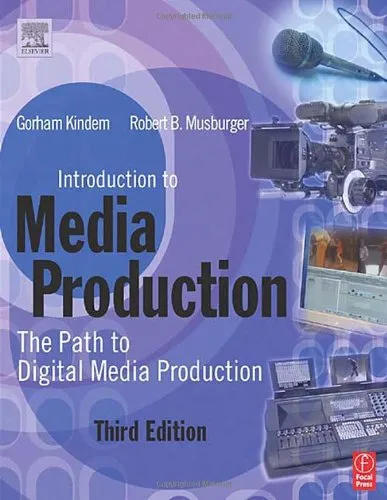
Introduction to media production: the path to digital media production
Robert B. Musburger,Gorham Kindem
2004
View book
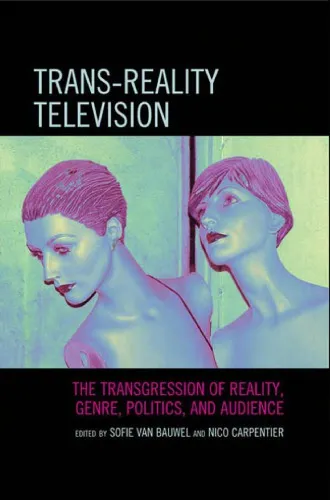
Book guide and evaluation
Sofie Van Bauwel;Nico Carpentier (eds.)
0 reviews
Published
pages
views
Introduction to "Trans-Reality Television: The Transgression of Reality, Genre, Politics, and Audience" Television, as a medium, has always played a critical role in shaping cultural, social, and political identities. Over the years, the boundaries between reality and fict
Before you read
Television, as a medium, has always played a critical role in shaping cultural, social, and political identities. Over the years, the boundaries between reality and fiction on television have blurred, giving rise to hybrid genres that challenge traditional norms of storytelling and audience engagement. "Trans-Reality Television: The Transgression of Reality, Genre, Politics, and Audience," edited by Sofie Van Bauwel and Nico Carpentier, takes a deep dive into this dynamic interplay of reality and fiction within contemporary television programming.
Through a collection of well-researched essays and case studies, the book explores how reality television disrupts traditional genre conventions, how it influences political narratives, and how audiences interact with these evolving formats. Positioned as a critical and interdisciplinary work, the book not only examines the production and reception processes but also questions the ethical and cultural implications of such transgression into "hyperreality."
The book is divided into thematic sections, each focusing on a core aspect of trans-reality television. Rooted in both media studies theories and practical analyses, the contributors interrogate various television formats, including reality shows, participative media frameworks, and hybrid genres.
One section addresses the interplay of representation and identity in reality television. It examines how these programs shape societal attitudes toward race, gender, class, and sexuality. Another critical area of the book dissects the intersections of politics and participatory media, showcasing how reality television influences political discourse and power dynamics. Case studies of popular reality TV formats—ranging from talent competitions to lifestyle programming—offer concrete examples of these phenomena.
Moreover, the book addresses the audience's perspective, charting the ways in which viewers actively engage with, critique, and appropriate the content within their own socio-cultural contexts. Through these varied lenses, the book delivers a nuanced portrait of how reality television positions itself as a cultural force while constantly redefining its boundaries.
"Reality television thrives on the transgression of boundaries, not only between fact and fiction but also between the public and private spheres."
"The political power of reality television lies in its ability to fuse entertainment with engagement, making the ordinary extraordinary."
"The audience's role as co-creator of meaning is the defining feature of contemporary televisual culture."
In an age where the lines between reality and fiction are increasingly blurred, "Trans-Reality Television" provides an essential critical lens to understand the cultural, political, and aesthetic implications of such programming. This book matters because it deeply interrogates how media representations affect not only our perceptions but also our lived realities.
More than just an academic text, this work bridges the gap between theoretical discourse and real-world media consumption. It empowers readers—whether they are scholars, media professionals, or general audiences—to critically evaluate how they engage with television and other forms of media. By examining the transgression of genres and cultural norms inherent in reality television, the book contributes significantly to the ongoing conversation about media ethics, authenticity, and the role of audiences in shaping media landscapes.
"Trans-Reality Television" stands as a foundational text in media studies, offering key insights into the present and future of one of the most influential and controversial forms of televised storytelling.
Your question is answered in the context of this title and author. Each answer uses 2 points.
0 reviews, 3.8 average out of 5
Sign in to publish a review.
Ask a focused question and learn from the community.
Related references that continue this learning path.
Robert B. Musburger,Gorham Kindem
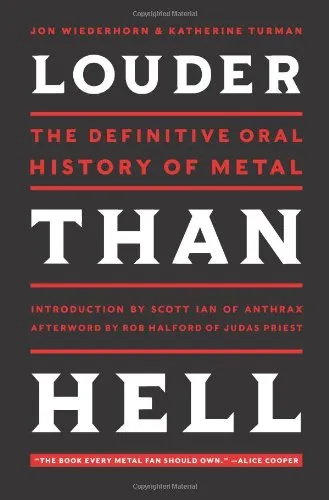
Jon Wiederhorn,Katherine Turman