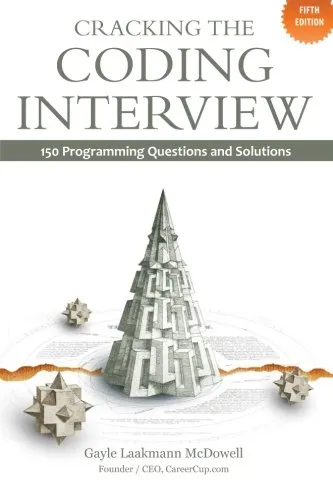
Cracking the Coding Interview: 150 Programming Questions and Solutions
Gayle Laakmann McDowell
2011
View book
Book guide and evaluation
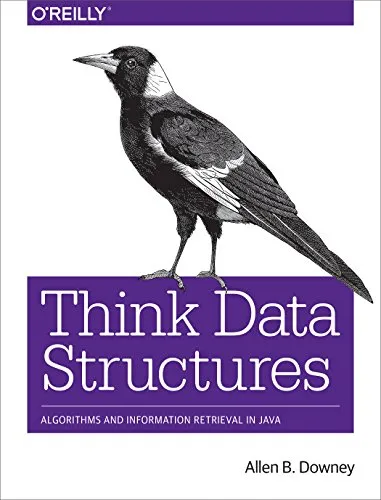
Allen B. Downey
0 reviews
Published
pages
views
Introduction to 'Think Data Structures: Algorithms and Information Retrieval in Java' Welcome to a comprehensive delve into the world of data structures and algorithms through the lens of Java programming in the book "Think Data Structures: Algorithms and Informati
Before you read
Welcome to a comprehensive delve into the world of data structures and algorithms through the lens of Java programming in the book "Think Data Structures: Algorithms and Information Retrieval in Java". Authored by Allen B. Downey, this book serves as a guide for both coding enthusiasts and seasoned developers eager to deepen their understanding of data structures and their applications in real-world scenarios. Perfectly marrying theory with practice, this book explores not only the fundamental constructs of computer science but also their implementation and optimization in Java.
"Think Data Structures" takes a methodical approach to explaining the intricacies of algorithms and data structures. It is structured to build upon the reader's existing knowledge of basic programming concepts while progressively introducing more complex topics. The book begins with an exploration of simpler data structures such as lists, stacks, and queues, setting a solid foundation. From there, it traverses through the domains of hash tables, search algorithms, and graph traversal techniques.
A defining feature of this text is its emphasis on real-world applications, particularly focusing on how these data structures underpin information retrieval, a cornerstone of modern computing. With an abundance of practical examples, readers learn how to effectively utilize these structures in various computational contexts. What sets this book apart is its pedagogical model aimed at integrating theory with practical coding exercises, encouraging readers to write clean, efficient, and functional code in Java.
"Understanding the way information is structured and retrieved isn't just critical for software developers but is a cornerstone for solving any computational problem effectively."
"Writing algorithms that can thrive under the constraints of real-world requirements is what separates theoretical knowledge from practical expertise."
In a rapidly evolving technological landscape, a precise understanding of data structures and algorithms is indispensable. "Think Data Structures: Algorithms and Information Retrieval in Java" empowers its readers by teaching them not just how to use these structures but how to think about them critically. This book is instrumental for students, educators, and professionals aiming to solidify their programming acumen and leverage this knowledge in their careers.
The significance of this book goes beyond academic pursuit; it ushers readers into the realm of efficient software development. By exposing the reader to common pitfalls and optimization techniques, the book prepares its audience for real-world challenges. As such, it's not only an educational resource but a career-enhancing tool that bridges the gap between academic concepts and their application in today's software development industry.
Your question is answered in the context of this title and author. Each answer uses 2 points.
0 reviews, 4.5 average out of 5
Sign in to publish a review.
Ask a focused question and learn from the community.
Related references that continue this learning path.
Gayle Laakmann McDowell
Bradley N. Miller;David L. Ranum