Book guide and evaluation
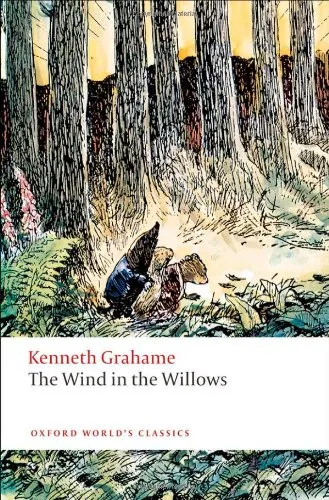
The Wind in the Willows (Oxford World’s Classics)
Kenneth Grahame (with Peter Hunt)
English
Intermediate
novel
4.0 / 5
0 reviews
2010
Published
213
pages
721
views
Introduction to "The Wind in the Willows (Oxford World’s Classics)" Kenneth Grahame's "The Wind in the Willows" is a timeless classic that introduces readers to a world of anthropomorphic animals living along the riverbank. This particular edition, part of the Oxford World’s C
Before you read
What will you get from this book?
Introduction to "The Wind in the Willows (Oxford World’s Classics)"
Kenneth Grahame's "The Wind in the Willows" is a timeless classic that introduces readers to a world of anthropomorphic animals living along the riverbank. This particular edition, part of the Oxford World’s Classics series, comes with insights from editor Peter Hunt, providing an enriched reading experience.
Detailed Summary
The narrative welcomes readers to the idyllic countryside of early 20th-century England, where Mole breaks free from his underground life to explore the wonders of the riverbank. He quickly befriends Ratty, a water-loving rodent, who introduces him to the joys of boating and leisure. As Mole becomes more acquainted with the riverbank, he meets other iconic characters, such as the boastful Mr. Toad of Toad Hall and the reclusive, yet wise, Badger.
The tale unfolds with Mr. Toad developing a dangerous obsession with motorcars, which leads to a series of reckless events, including his imprisonment. In Mr. Toad's absence, the mischievous stoats and weasels take over Toad Hall, prompting Mole, Rat, and Badger to hatch a plan to reclaim it. Through their adventures, they encounter challenges that celebrate the themes of friendship, loyalty, and the battle between old values and modernity.
Key Takeaways
- Friendship: The novel deeply explores the bonds of friendship, particularly how the characters support each other through their trials and tribulations.
- Home and Adventure: It reflects the tension between the comfort of home and the allure of adventure, underscoring the value of both in life.
- Nature vs. Modernity: The story paints a nostalgic picture of nature, contrasting it against the encroaching influence of technology and industry, chiefly represented by Mr. Toad's infatuation with automobiles.
- Responsibility: Toad’s journey offers a lesson in personal growth, as he learns about responsibility and the consequences of his actions.
Famous Quotes from the Book
"There is nothing—absolutely nothing—half so much worth doing as simply messing about in boats." - Rat
"The Mole was bewitched, entranced, fascinated." - Narrator
"All this time Badger said nothing, only patting Mole gently on the shoulder." - Narrator
Why This Book Matters
"The Wind in the Willows" remains a vital piece of children's literature, cherished for its rich storytelling and intricate character designs. It transcends mere children's entertainment, offering philosophical reflections on life, society, and the personal growth of individuals. The inclusion of editor Peter Hunt's commentary in this Oxford World’s Classics version further enhances its educational value, making it a necessary read for anyone interested in literature, storytelling, and the evolution of children's narratives.
Beyond its literary achievements, the book has impacted countless adaptations, from theatre productions to animations, continuing to inspire new generations. Its timelessness lies in its universal themes and the warm yet occasionally poignant exploration of the friendships and adventures of its endearing characters.
Ask this book
Your question is answered in the context of this title and author. Each answer uses 2 points.
Sign in to ask the book assistant.
Reader reviews
0 reviews, 4.0 average out of 5
No reviews yet
If you have read this book, help the next reader with your experience.
Write a review
Sign in to publish a review.
Reader questions and answers
Ask a focused question and learn from the community.
Sign in to ask or answer a question.
No questions yet
Be the first to ask a clear, useful question.
What to read next
Related references that continue this learning path.