
Williams Obstetrics, 26th Edition
F. Gary Cunningham,Kenneth J. Leveno,Jodi S. Dashe,Barbara L. Hoffman,Catherine Y. Spong,Brian M. Casey
2022
View book
Book guide and evaluation
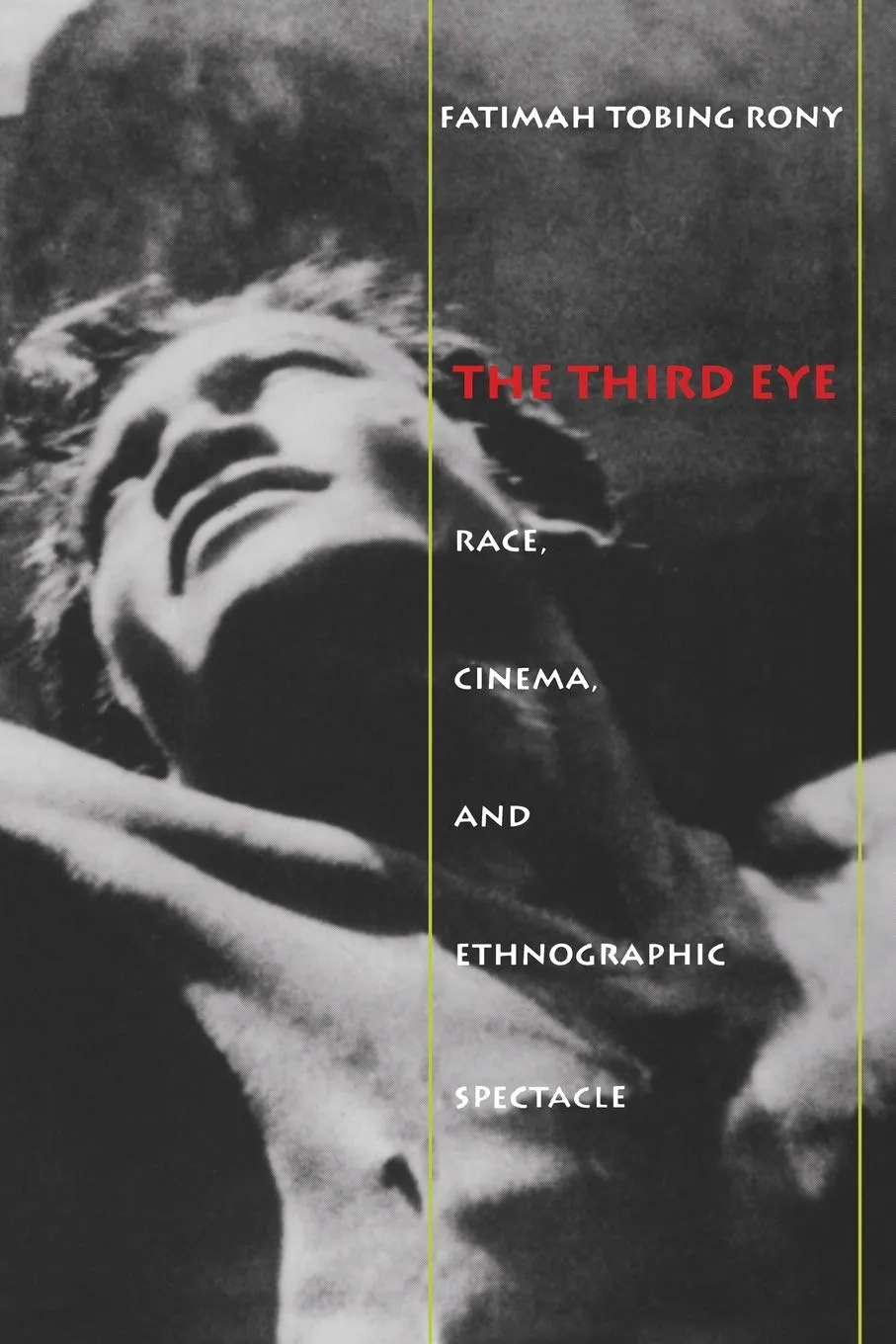
Fatimah Tobing Rony
0 reviews
Published
pages
views
The Third Eye: Race, Cinema, and Ethnographic Spectacle In 'The Third Eye: Race, Cinema, and Ethnographic Spectacle', Fatimah Tobing Rony explores the intersections of race, cinema, and the ethnographic gaze. This critically acclaimed work delves into the way cinema has hi
Before you read
In 'The Third Eye: Race, Cinema, and Ethnographic Spectacle', Fatimah Tobing Rony explores the intersections of race, cinema, and the ethnographic gaze. This critically acclaimed work delves into the way cinema has historically been used as a tool of colonial and ethnographic observation, analyzing its impact on the representation of non-Western people. With a keen focus on visual anthropology and film studies, Rony meticulously dissects the cultural implications of this visual spectacle.
The book opens with an exploration of the origins of ethnographic cinema, detailing how early filmmakers used the medium to document and represent cultures perceived as "other." Through the concept of the 'third eye,' Rony conceptualizes the camera as both an instrument of observation and power, often wielded by Western filmmakers with an imperial gaze.
Rony further examines key films and filmmakers that have shaped the discourse on race and representation in cinema. She addresses the problematic aspects of these works, particularly their tendency to exoticize and dehumanize subjects. Through a critical analysis of films like Robert Flaherty's 'Nanook of the North' and others, she unpacks the narratives constructed by filmmakers who often held a position of colonial authority.
The book extends its analysis to contemporary practices and the potential for reimagining the ethnographic film as a tool for empowerment rather than exploitation. Rony encourages a shift in perspective, advocating for greater involvement of those who have been historically marginalized in the filmmaking process.
"The camera, in its all-seeing capacity, becomes an extension of the imperial gaze, documenting, categorizing, and often subjugating its subjects."
"To reclaim the image is to reclaim one's narrative, one's identity."
'The Third Eye' is a seminal work in the fields of film studies and postcolonial theory, offering a nuanced critique of the power dynamics inherent in visual media. It challenges readers to reconsider the histories and contexts of the films they consume, highlighting the importance of diverse voices in shaping media narratives. Rony's book is essential for anyone interested in the ethics of representation and the potential for film to be both a tool of oppression and a medium for change.
By weaving together theory and analysis in a compelling narrative, 'The Third Eye' serves as both a scholarly resource and a call to action for filmmakers, academics, and audiences alike. Its insights continue to resonate in discussions about race, representation, and the responsibilities of media creators today.
Your question is answered in the context of this title and author. Each answer uses 2 points.
0 reviews, 4.0 average out of 5
Sign in to publish a review.
Ask a focused question and learn from the community.
Related references that continue this learning path.
F. Gary Cunningham,Kenneth J. Leveno,Jodi S. Dashe,Barbara L. Hoffman,Catherine Y. Spong,Brian M. Casey
Alan Partin,Craig Peters,Louis Kavoussi,Roger Dmochowski,Alan Wein

John E. Bennett &Raphael Dolin &Martin J. Blaser