

Book guide and evaluation
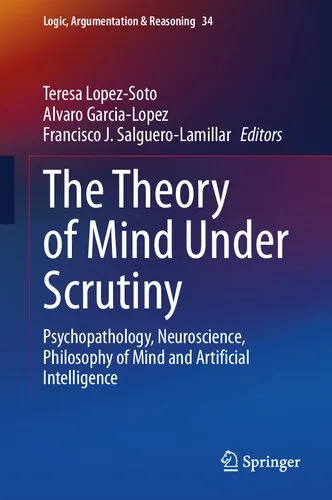
The Theory of Mind Under Scrutiny: Psychopathology, Neuroscience, Philosophy of Mind and Artificial Intelligence (Logic, Argumentation & Reasoning, 34)
Teresa Lopez-Soto (editor),Alvaro Garcia-Lopez (editor),Francisco J. Salguero-Lamillar (editor)
English
Intermediate
Artificial Intelligence (AI)
4.7 / 5
0 reviews
2023
Published
741
pages
550
views
Welcome to an engaging exploration of the human mind through the multi-faceted lens of "The Theory of Mind Under Scrutiny: Psychopathology, Neuroscience, Philosophy of Mind and Artificial Intelligence." This comprehensive anthology provides insights from various disciplines, ea
Before you read
What will you get from this book?
Welcome to an engaging exploration of the human mind through the multi-faceted lens of "The Theory of Mind Under Scrutiny: Psychopathology, Neuroscience, Philosophy of Mind and Artificial Intelligence." This comprehensive anthology provides insights from various disciplines, each contributing to our understanding of how we perceive, simulate, and interpret the mental states of others—a capacity known as the Theory of Mind (ToM).
Summary of the Book
The realm of Theory of Mind crosses numerous disciplines including psychology, neuroscience, philosophy, and artificial intelligence. This volume delves into each of these fields, offering a rich interdisciplinary analysis that unpacks how we understand the minds of others. The book is divided into several sections, each dedicated to the perspectives from different domains:
- Psychopathology: This section investigates how certain mental disorders, such as autism spectrum disorders and schizophrenia, impact ToM. The clinical approaches dissect how these conditions can alter the perception and interpretation of others' thoughts and intentions.
- Neuroscience: Bridging the biological correlates, the book surveys the neurological underpinnings of ToM. Brain imaging studies highlight the neural circuits involved in mind-reading capabilities and how they function in typical and atypical contexts.
- Philosophy of Mind: Here, readers engage with the philosophical implications and debates surrounding ToM, exploring questions about the nature of consciousness and self-awareness and how they unravel within the context of understanding others.
- Artificial Intelligence: With AI's growing capability to predict and simulate human behavior, this section probes how machines might develop their own version of ToM, raising ethical and practical considerations for the future.
Key Takeaways
- Understanding ToM contributes significantly to advancements in psychological therapies, enhancing approaches for individuals with impaired social cognition.
- Neuroscientific research underscores the plasticity of the brain and sheds light on potential interventions for enhancing ToM abilities.
- Philosophical exploration provides a foundational discourse on the nature of mind, self, and others, fostering a deeper ethical and moral understanding of human interactions.
- The evolution of AI suggests a future where machines might simulate or even understand human mental states, posing challenges and opportunities in technology and ethics.
Famous Quotes from the Book
"Theory of Mind is not merely a scientific curiosity but a fundamental component of humanity that underpins our empathy, communication, and social bonds."
"In our quest to build machines with genuine understanding, we confront the profound question of what it means to understand and be understood."
Why This Book Matters
The Theory of Mind is an essential construct not only in understanding our humanity but also in shaping the future of intelligent machines. This book provides a platform where different perspectives intersect, offering readers a holistic view of ToM's role and relevance. For scholars, practitioners, and laypersons alike, the anthology offers a crucial understanding of social intelligence and its implications across various domains. Given the rapid advancements in AI, understanding ToM is increasingly pertinent as we navigate ethical considerations and the seamless integration of intelligent systems in our daily lives.
By compiling research, theory, and philosophical discourse, "The Theory of Mind Under Scrutiny" serves as a vital resource for anyone seeking to understand one of the most complex attributes of human cognition and its potential replication in artificial systems, securing its place as an indispensable read in both academic and practical fields.
Ask this book
Your question is answered in the context of this title and author. Each answer uses 2 points.
Sign in to ask the book assistant.
Reader reviews
0 reviews, 4.7 average out of 5
No reviews yet
If you have read this book, help the next reader with your experience.
Write a review
Sign in to publish a review.
Reader questions and answers
Ask a focused question and learn from the community.
Sign in to ask or answer a question.
No questions yet
Be the first to ask a clear, useful question.
What to read next
Related references that continue this learning path.
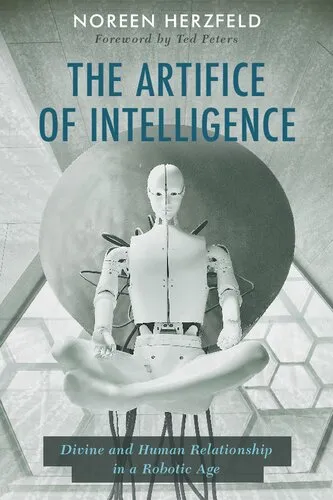
The Artifice of Intelligence: Divine and Human Relationship in a Robotic Age
Noreen Herzfeld
2023
View book
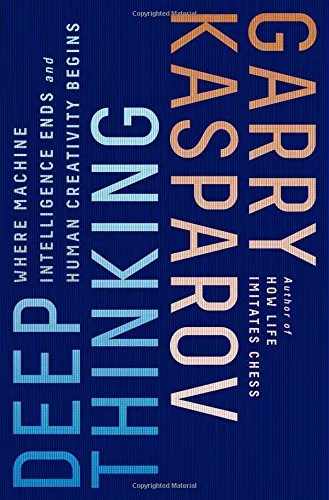
Deep Thinking: Where Machine Intelligence Ends and Human Creativity Begins
Garry Kasparov,Mig Greengard
2017
View book