
Caleb Naidoo
2025/07/26
4 / 5
Worth reading if you enjoy psychology with a human face. Less a textbook, more a thoughtful walk through the layers of being human.
Book guide and evaluation
Elliot Aronson
1 reviews
Published
pages
views
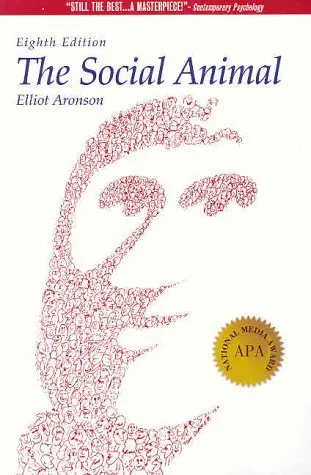
Introduction to The Social Animal Written by the esteemed psychologist Elliot Aronson, "The Social Animal" delves into the intricate world of human social behavior. This cornerstone book explores the various factors that influence human interactions, the unconscious driver
Before you read
Written by the esteemed psychologist Elliot Aronson, "The Social Animal" delves into the intricate world of human social behavior. This cornerstone book explores the various factors that influence human interactions, the unconscious drivers behind social norms, and the psychological constructs that govern our decision-making processes.
The Social Animal provides an in-depth analysis of social psychology, weaving together theories and empirical research to illustrate why humans behave the way they do within a social context. Elliot Aronson investigates critical topics like conformity, obedience, group dynamics, and the impact of societal influences on individual behavior. Through engaging storytelling and an accessible writing style, Aronson not only elucidates scientific findings but also brings them alive through relevant anecdotes and examples.
Initially published in the 1970s, the book has been continually updated to reflect the evolving nature of social psychology. It addresses themes such as cognitive dissonance, social perception, and stereotyping, encouraging readers to critically examine their assumptions about human nature. Aronson's work is particularly renowned for its examination of the subtle ways in which seemingly inconsequential details of our environment can significantly impact our behavior, thoughts, and emotions.
"People who do crazy things are not necessarily crazy."
"Human beings have a remarkable capability to detect nuances in social situations."
The Social Animal is a seminal work that continues to be a staple in psychology courses and popular reading lists alike. It provides profound insights into human nature, encouraging readers to gain a better understanding of themselves and others. This book serves as an essential resource for anyone interested in the complexities of social interactions and the psychological mechanisms underlying human behavior.
The relevance of "The Social Animal" extends beyond academia, offering wisdom to educators, marketers, leaders, and anyone who navigates the intricacies of human relationships. By shedding light on the invisible forces shaping our actions, Aronson empowers us to make more informed and compassionate decisions in our daily lives.
Your question is answered in the context of this title and author. Each answer uses 2 points.
1 reviews, 4.0 average out of 5
2025/07/26
4 / 5
Worth reading if you enjoy psychology with a human face. Less a textbook, more a thoughtful walk through the layers of being human.
Sign in to publish a review.
Ask a focused question and learn from the community.
Related references that continue this learning path.

Jonathan Haidt

Arthur W. Combs,Ann B. Miser,Kathryn S. Whitaker

Selma H. Fraiberg,T. Berry Brazelton