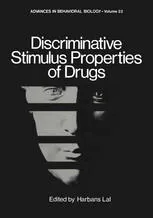
Discriminative Stimulus Properties of Drugs
Albert Weissman (auth.),Harbans Lal (eds.)
1977
View book

Book guide and evaluation
Carlton K. Erickson
0 reviews
Published
pages
views
Introduction to "The Science of Addiction: From Neurobiology to Treatment" Addiction is one of the most misunderstood and complex topics in the fields of neuroscience, psychology, and medicine. In my book, "The Science of Addiction: From Neurobiology to Treatment," I aim to de
Before you read
Addiction is one of the most misunderstood and complex topics in the fields of neuroscience, psychology, and medicine. In my book, "The Science of Addiction: From Neurobiology to Treatment," I aim to demystify the subject by exploring the intricate relationship between the brain, behavior, and addiction. This book not only presents scientific insights into the mechanisms of addiction but also offers practical approaches to treatment, informed by the latest research and clinical practice.
The book is designed to serve as a bridge between cutting-edge science and real-world applications. It provides readers with a thorough understanding of addiction as a treatable brain disease, dispelling age-old myths and misconceptions that often stigmatize those struggling with substance use disorders. Whether you're a clinician, researcher, student, or simply someone interested in understanding addiction, this book equips you with the knowledge to make informed decisions and promote change.
The book is organized into several key sections that together provide a comprehensive overview of addiction, from its biological foundations to evidence-based treatment strategies:
Tying all of these elements together, the book demystifies addiction and promotes a compassionate, science-driven approach to treatment and recovery.
These takeaways are essential not only for professionals but also for individuals and families affected by addiction. By understanding the science behind addiction, we can collectively advocate for better care and resources.
"Addiction is not about willpower; it is about the brain's misfiring reward system. To treat addiction effectively, we must first understand it at both the biological and behavioral level."
"Recovery is not a destination but a lifelong journey that requires a combination of science, empathy, and community support."
"Stigma around addiction is one of the greatest barriers to treatment. Education about the brain disease model has the power to change lives and open doors to recovery."
The Science of Addiction is more than just a book; it’s a call to action. Addiction affects millions of people worldwide, yet societal understanding and support have often lagged behind the science. By focusing on the neurobiological underpinnings of addiction, this book brings clarity to a complex issue and underscores the importance of compassion and scientific rigor in addressing substance use disorders.
For professionals in the field, the book serves as a practical guide to understanding and treating addiction. For families and individuals, it provides comfort and hope by shedding light on the science behind the struggle and the pathways to recovery. Ultimately, this book matters because addiction is a universal challenge—and the more we learn, the better equipped we are to overcome it.
Your question is answered in the context of this title and author. Each answer uses 2 points.
0 reviews, 4.5 average out of 5
Sign in to publish a review.
Ask a focused question and learn from the community.
Related references that continue this learning path.
Albert Weissman (auth.),Harbans Lal (eds.)