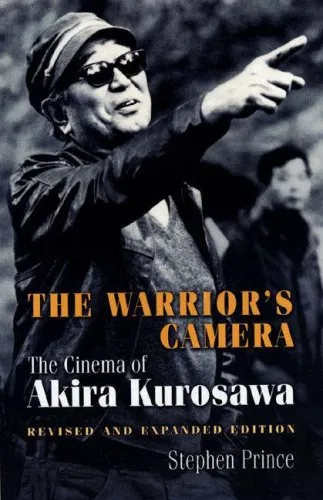

Book guide and evaluation
The Samurai Films of Akira Kurosawa
David Desser
English
Beginner
Manga
4.5 / 5
0 reviews
1983
Published
174
pages
581
views
Introduction to 'The Samurai Films of Akira Kurosawa' The influence of Akira Kurosawa on the realm of cinema, particularly his profound exploration of samurai films, has left an indelible mark on both Japanese and global film industries. 'The Samurai Films of Akira Kurosawa' d
Before you read
What will you get from this book?
Introduction to 'The Samurai Films of Akira Kurosawa'
The influence of Akira Kurosawa on the realm of cinema, particularly his profound exploration of samurai films, has left an indelible mark on both Japanese and global film industries. 'The Samurai Films of Akira Kurosawa' delves into the masterful works of Kurosawa, providing readers with an in-depth understanding of his contributions to the genre.
Detailed Summary of the Book
Kurosawa's samurai films are more than iconic; they are cultural touchstones that resonate with audiences by blending rich storytelling, complex characters, and exquisite cinematography. This book examines Kurosawa's filmography, focusing on classical films such as 'Seven Samurai', 'Yojimbo', 'Sanjuro', and several others. It provides a chronological exploration, tracing the evolution of Kurosawa's themes and techniques over time.
The narrative unfolds with an examination of the historical and cultural contexts in which these films were created, providing critical insights into the societal influences that shaped Kurosawa's narratives. The book illuminates how Kurosawa instilled Western cinematic techniques into a traditional Japanese genre, crafting films that were not only poignant reflections on the samurai ethos but also universal commentaries on human nature.
Key Takeaways
'The Samurai Films of Akira Kurosawa' presents several key takeaways:
- Historical Context: Understanding the historical backdrop is vital to appreciating Kurosawa's storytelling.
- Character Development: Kurosawa's ability to construct deeply nuanced characters set against the backdrop of feudal Japan.
- Innovative Storytelling: The blending of Western and Eastern film techniques that reshaped global cinema.
- Themes of Morality and Justice: Exploration of the moral dilemmas and complex social justice themes prevalent in his films.
Famous Quotes from the Book
"Kurosawa does not merely depict the struggles of samurai; he delves into the ethos and pathos of humanity itself."
"In every frame, Kurosawa's camera dances, bringing to life the poetry and perils of Japan's storied past."
Why This Book Matters
The significance of 'The Samurai Films of Akira Kurosawa' lies in its thorough exploration of a legendary filmmaker whose works transcend cultural and temporal boundaries. Kurosawa's films are studied as case studies in narrative structure and cinematic innovation, making this book a critical resource for students, film enthusiasts, and scholars alike. It sheds light on how Kurosawa's vision influenced modern directors and redefined the parameters of genre filmmaking.
Furthermore, the book emphasizes the timeliness of Kurosawa's tales in a modern context, as they continue to evoke discussions around ethics, honor, and the human condition. It showcases the enduring legacy of Kurosawa, whose samurai films remain relevant and revered to this day.
Ask this book
Your question is answered in the context of this title and author. Each answer uses 2 points.
Sign in to ask the book assistant.
Reader reviews
0 reviews, 4.5 average out of 5
No reviews yet
If you have read this book, help the next reader with your experience.
Write a review
Sign in to publish a review.
Reader questions and answers
Ask a focused question and learn from the community.
Sign in to ask or answer a question.
No questions yet
Be the first to ask a clear, useful question.
What to read next
Related references that continue this learning path.