
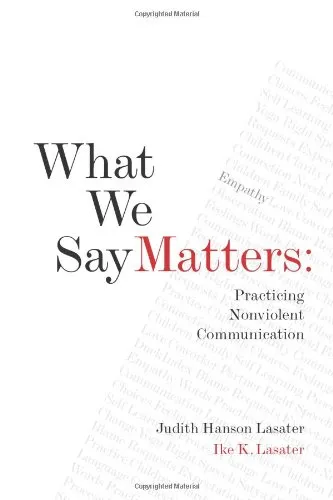
What We Say Matters: Practicing Nonviolent Communication
P.T. Judith Hanson Lasater Ph.D.,Ike K. Lasater
2009
View book
Book guide and evaluation
Bob Hodge
0 reviews
Published
pages
views
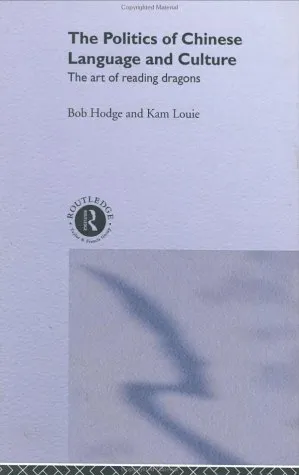
The Politics of Chinese Language and Culture: The Art of Reading Dragons In "The Politics of Chinese Language and Culture: The Art of Reading Dragons," we delve into the intricate dance between language and cultural identity within the complex tapestry of Chinese society. This
Before you read
In "The Politics of Chinese Language and Culture: The Art of Reading Dragons," we delve into the intricate dance between language and cultural identity within the complex tapestry of Chinese society. This book explores the symbolic power of language as a tool not just for communication, but as a political instrument that shapes and is shaped by cultural dynamics, historical contexts, and societal change.
As the title suggests, this book is an exploration into the 'art' of interpreting Chinese linguistic and cultural symbols, drawing parallels with the mythical 'dragons' that symbolize both challenge and opportunity within Chinese narratives. The book begins by establishing a foundational understanding of the centrality of language within Chinese culture, tracing back to ancient times where language not only communicated ideas but also served as a medium of power and identity formation.
Throughout its chapters, the book tackles various dimensions of the Chinese language—from its evolution and structure to its role in political discourse and cultural expression. It highlights how language policies and reforms have been employed by successive regimes to shape national identity and control information. Additionally, the text uncovers the interplay between language and social stratification, examining how dialects can reinforce or diminish regional pride and socio-political alignment.
By invoking 'dragons,' the book emphasizes the dynamic and sometimes contentious interactions between language, power, and culture. A detailed analysis is provided on how cultural symbols and language are used to maintain governance, influence public opinion, and assert regional dominance, with direct implications for international relations and cultural diplomacy.
"Language is not just a medium of expression but a battleground for cultural sovereignty."
"To read a dragon is to understand the narrative of a civilization."
In modern global interactions, understanding the underpinnings of communication and culture within any context is crucial, and nowhere is this more true than in the context of China—a nation deeply rooted in its rich historical discourse and rapidly transforming in the global arena. This book provides invaluable insights into the political dimensions of language and culture in China, showcasing the nuances that are often overlooked by conventional analyses.
Academics, cultural analysts, policy makers, and anyone with a keen interest in Chinese studies will find this book a crucial resource. It challenges readers to see beyond the surface of language as a mere tool of communication, instead appreciating it as a powerful agent in shaping ideologies and institutions.
Your question is answered in the context of this title and author. Each answer uses 2 points.
0 reviews, 4.5 average out of 5
Sign in to publish a review.
Ask a focused question and learn from the community.
Related references that continue this learning path.
P.T. Judith Hanson Lasater Ph.D.,Ike K. Lasater
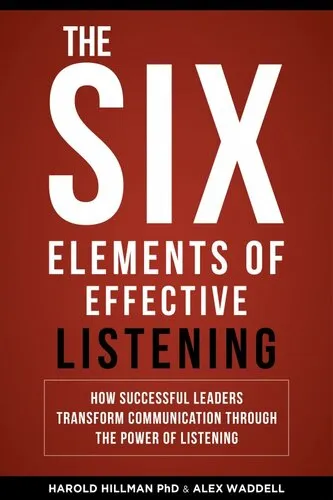
Harold Hillman;Alex Waddell

Theresa Raphael-Grimm PhD CNS
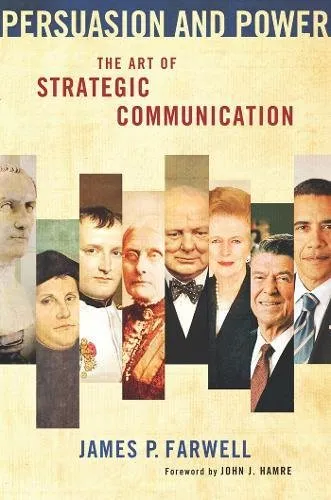
James P. Farwell,John J. Hamre