Book guide and evaluation
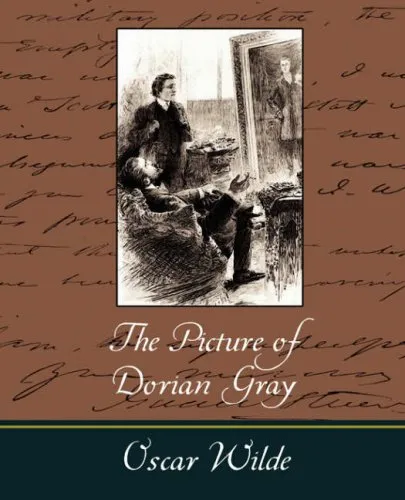
The Picture of Dorian Gray (Webster's Thesaurus Edition)
Oscar Wilde
English
Intermediate
novel
4.1 / 5
0 reviews
2006
Published
327
pages
573
views
Introduction to 'The Picture of Dorian Gray (Webster's Thesaurus Edition)' Oscar Wilde's 'The Picture of Dorian Gray' is a profound philosophical novel exploring the nature of beauty, moral duplicity, and the consequences of hedonism. The Webster's Thesaurus Edition enhances t
Before you read
What will you get from this book?
Introduction to 'The Picture of Dorian Gray (Webster's Thesaurus Edition)'
Oscar Wilde's 'The Picture of Dorian Gray' is a profound philosophical novel exploring the nature of beauty, moral duplicity, and the consequences of hedonism. The Webster's Thesaurus Edition enhances this classic tale by providing readers with deeper understanding through nuanced synonyms, making it accessible and engaging for a modern audience.
Detailed Summary of the Book
'The Picture of Dorian Gray' is set in the opulent, decadent world of Victorian London. It tells the story of a young and extraordinarily handsome man named Dorian Gray. Dorian becomes enthralled by the hedonistic worldview espoused by the charismatic Lord Henry Wotton, who suggests that the only things worth pursuing in life are beauty and sensual fulfillment.
Under Henry's influence, Dorian wishes that his youthful appearance would remain unchanged and that his portrait, painted by his friend Basil Hallward, would age instead. To his astonishment, his wish is mysteriously granted. As Dorian indulges in a life of vice and moral corruption, the portrait reflects the gradual degradation of his soul, growing more hideous with each of his transgressions, while Dorian himself remains outwardly beautiful and unspoiled.
This magical penchant leads Dorian into a life filled with scandal and paranoia, ultimately pushing him towards a self-destructive path. As he becomes more consumed by his dark desires, the tragedies that haunt him crystallize the novel’s exploration of ethical recklessness and the fragility of beauty.
Key Takeaways
- The Surfaces and Superficiality: Wilde explores the fixation on outer beauty and the resultant moral shallowness.
- The Duality of Human Nature: The novel delves into the human tendency towards duplicity, particularly the external portrayal of virtue while harboring inner vice.
- The Consequences of Indulgence: Dorian’s life serves as a cautionary tale about the dangers of excessive indulgence and moral recklessness.
- Moral Accountability: Wilde emphasizes the certainties of moral retribution despite outward appearances and societal perceptions.
Famous Quotes from the Book
Oscar Wilde's novel is replete with memorable lines that capture its essence and moral intricacies:
"The only way to get rid of a temptation is to yield to it."
"The books that the world calls immoral are books that show the world its own shame."
"Behind every exquisite thing that existed, there was something tragic."
Why This Book Matters
‘The Picture of Dorian Gray’ is a seminal work that remains significant for its incisive exploration of human nature and the folly of vanity. Wilde’s narrative artfully critiques Victorian society, challenging its hypocrisies and rigid moral conventions. The novel’s rich symbolism and philosophical underpinnings make it a timeless study in ethics, beauty, and introspection.
In its Thesaurus Edition form, the novel gains a dimension of accessibility that allows for greater reader engagement. By offering varied synonyms and explanations, this edition makes Wilde’s themes and diction more approachable while preserving the eloquence and wit for which he is celebrated. This enhancement serves both educational and entertainment purposes, giving readers context and depth to appreciate the novel's enduring relevance.
Audio introductions
Persian Summary
Ask this book
Your question is answered in the context of this title and author. Each answer uses 2 points.
Sign in to ask the book assistant.
Reader reviews
0 reviews, 4.1 average out of 5
No reviews yet
If you have read this book, help the next reader with your experience.
Write a review
Sign in to publish a review.
Reader questions and answers
Ask a focused question and learn from the community.
Sign in to ask or answer a question.
No questions yet
Be the first to ask a clear, useful question.
What to read next
Related references that continue this learning path.