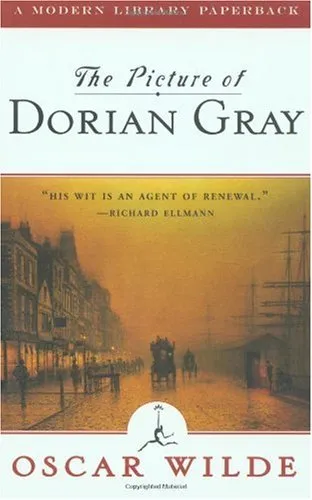
Book guide and evaluation
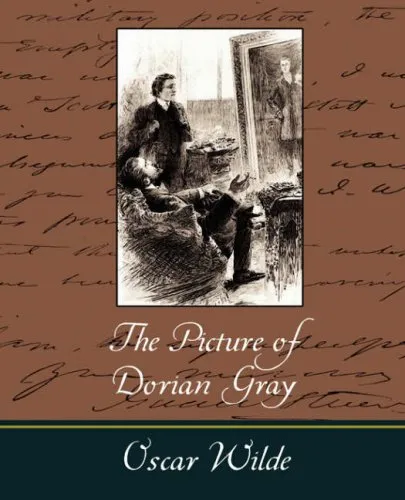
The Picture of Dorian Gray (Modern Library Paperbacks)
Oscar Wilde
English
Intermediate
novel
4.1 / 5
0 reviews
1998
Published
199
pages
488
views
Detailed Summary of the Book "The Picture of Dorian Gray" is a philosophical novel by the renowned author Oscar Wilde, first published in 1890. It delves into the moral implications of living a life consumed by hedonism and vanity. The story revolves around a hands
Before you read
What will you get from this book?
Detailed Summary of the Book
"The Picture of Dorian Gray" is a philosophical novel by the renowned author Oscar Wilde, first published in 1890. It delves into the moral implications of living a life consumed by hedonism and vanity. The story revolves around a handsome and wealthy young man named Dorian Gray. Influenced by the outspoken and decadent Lord Henry Wotton, Dorian becomes obsessed with the transient nature of beauty and the pleasures of the senses. The pivotal moment occurs when Dorian, captivated by his own portrait painted by the artist Basil Hallward, wishes that he could remain young and beautiful while the painting ages in his stead.
As Dorian embarks on a life of indulgence, he discovers that his wish has mysteriously been granted. While he remains eternally youthful, his portrait becomes an external manifestation of his inner corruption and depravity. Over time, Dorian engages in a series of morally dubious and destructive acts, leading to a life spiraling out of control. The portrait, hidden away from prying eyes, bears the grotesque manifestation of his declining soul.
The narrative is a poignant exploration of aestheticism, moral degeneration, and the duality of human existence—a juxtaposition of surface beauty and inner ugliness. Wilde masterfully critiques societal obsessions with appearances and the dire consequences of absolute self-indulgence.
Key Takeaways
- The novel highlights the destructive nature of vanity and self-indulgence.
- It serves as a cautionary tale about the perils of moral corruption and the pursuit of eternal youth.
- Wilde's work challenges the reader to consider the value of the soul versus the body, exploring the philosophical concepts of duality and personal responsibility.
Famous Quotes from the Book
"The only way to get rid of a temptation is to yield to it."
"All art is quite useless."
"Nowadays people know the price of everything and the value of nothing."
Why This Book Matters
"The Picture of Dorian Gray" remains a pivotal exploration of the conflict between aesthetics and morality. Wilde’s narrative is not only a mirror to the excesses and values of the Victorian era but also presents timeless themes that resonate with contemporary audiences. The novel’s provocative ideas challenge societal norms and confront the reader with unsettling truths about human nature.
Furthermore, Wilde's witty prose and masterful character development offer an unparalleled reading experience, rich with symbolism and intellectual depth. The book's exploration of the consequences of unrestrained hedonism remains highly relevant, prompting readers to reflect on the cost of vanity in our own time.
As a cornerstone of gothic literature, Wilde’s work ignites discussions around morality, art, and identity, proving that even after more than a century, "The Picture of Dorian Gray" continues to captivate and provoke introspection.
Audio introductions
Persian Summary
Ask this book
Your question is answered in the context of this title and author. Each answer uses 2 points.
Sign in to ask the book assistant.
Reader reviews
0 reviews, 4.1 average out of 5
No reviews yet
If you have read this book, help the next reader with your experience.
Write a review
Sign in to publish a review.
Reader questions and answers
Ask a focused question and learn from the community.
Sign in to ask or answer a question.
No questions yet
Be the first to ask a clear, useful question.
What to read next
Related references that continue this learning path.