Book guide and evaluation
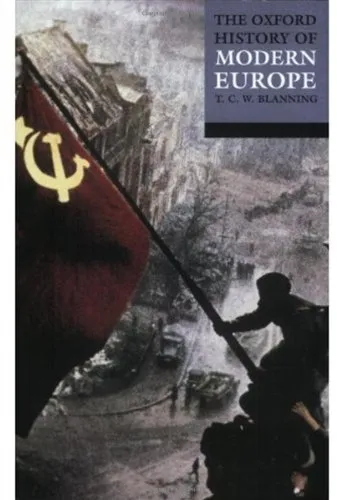
The Oxford History of Modern Europe
T. C. W. Blanning
English
Unordered
Historical
4.7 / 5
0 reviews
2000
Published
395
pages
600
views
Introduction to The Oxford History of Modern Europe "The Oxford History of Modern Europe," authored by T. C. W. Blanning, is a masterful exploration of Europe's transformation from the late Renaissance to the modern era. This comprehensive volume offers a nuanced analysis
Before you read
What will you get from this book?
Introduction to The Oxford History of Modern Europe
"The Oxford History of Modern Europe," authored by T. C. W. Blanning, is a masterful exploration of Europe's transformation from the late Renaissance to the modern era. This comprehensive volume offers a nuanced analysis of the political, social, cultural, and economic forces that have shaped the continent. Its scholarly approach, combined with engaging narrative style, makes it an essential resource for anyone seeking to understand Europe’s evolution and its impact on the world.
Detailed Summary of the Book
"The Oxford History of Modern Europe" delves into Europe's history starting from the 16th century, tracing the continent's journey through critical eras such as the Enlightenment, the Industrial Revolution, the rise and fall of empires, world wars, and the post-war reconstruction. The book examines the interplay between local identities and broader changes, shedding light on how societal, technological, and ideological transformations influenced Europe’s trajectory.
Each chapter presents a thematic exploration of major events such as the French Revolution, Napoleonic Wars, development of nation-states, spread of democracy, colonial expansion, and the Cold War. This approach allows readers to not only grasp the key events but also to understand their wider implications across the continent and beyond.
The book also intricately evaluates cultural shifts, like the Renaissance’s contribution to modern thought, Romanticism’s influence on national identities, and the debates surrounding modernization. By combining narrative analysis with academic rigor, Blanning ensures the book travels beyond mere chronology, offering instead a textured portrait of Europe's dynamic evolution.
Key Takeaways
- An in-depth understanding of Europe’s political, social, and cultural advancements from the 16th century onwards.
- Analysis of major historical milestones, including revolutions, wars, and treaties that shaped modern Europe.
- Insights into the ideological debates surrounding democracy, socialism, and nationalism over the centuries.
- A detailed examination of Europe’s global impact, from colonial dominance to economic powerhouses.
- Thematic focus on culture, technology, identity, and globalization that influenced historical trends and modernity.
Famous Quotes From the Book
"Europe has often been both the torchbearer of progress and the battlefield of tragedy, a continent at the heart of human endeavor and conflict."
"Modern Europe is not the product of a single revolution or event but of a tapestry woven with the threads of countless ideas, innovations, and struggles."
"The interplay between power and identity has shaped Europe’s destiny, revealing how societies and nations must continually redefine themselves."
Why This Book Matters
This book stands as an essential resource due to its comprehensive account of Europe’s development and its meticulous scholarly analysis. By integrating political events with cultural dynamics, T. C. W. Blanning provides readers with a deeper appreciation of Europe’s vast and intricate history. It emphasizes the lessons of the past, offering insights into shaping a more informed and connected future.
Moreover, "The Oxford History of Modern Europe" offers perspectives that are relevant in today’s globalized world. It helps readers understand Europe not just as a geographic location but as a powerful force that continues to influence politics, economics, and cultures worldwide. For historians, students, and enthusiasts alike, this book is more than a historical account—it is a guide to understanding the foundations of modernity.
Ultimately, Blanning’s work is a celebration of Europe’s diversity and resilience, making it a valuable addition to the study of history and an indispensable tool for comprehending our world today.
Ask this book
Your question is answered in the context of this title and author. Each answer uses 2 points.
Sign in to ask the book assistant.
Reader reviews
0 reviews, 4.7 average out of 5
No reviews yet
If you have read this book, help the next reader with your experience.
Write a review
Sign in to publish a review.
Reader questions and answers
Ask a focused question and learn from the community.
Sign in to ask or answer a question.
No questions yet
Be the first to ask a clear, useful question.
What to read next
Related references that continue this learning path.
Steel Odyssey: Tracing the Journey of Humanity Through the Lens of Steel
Ohjoon Kwon,Joo Choi,Hae-Geon Lee
2024
View book
Andrew Jackson and the miracle of New Orleans: the battle that shaped America's destiny
Jackson, Andrew;Kilmeade, Brian;Yaeger, Don
2017
View book