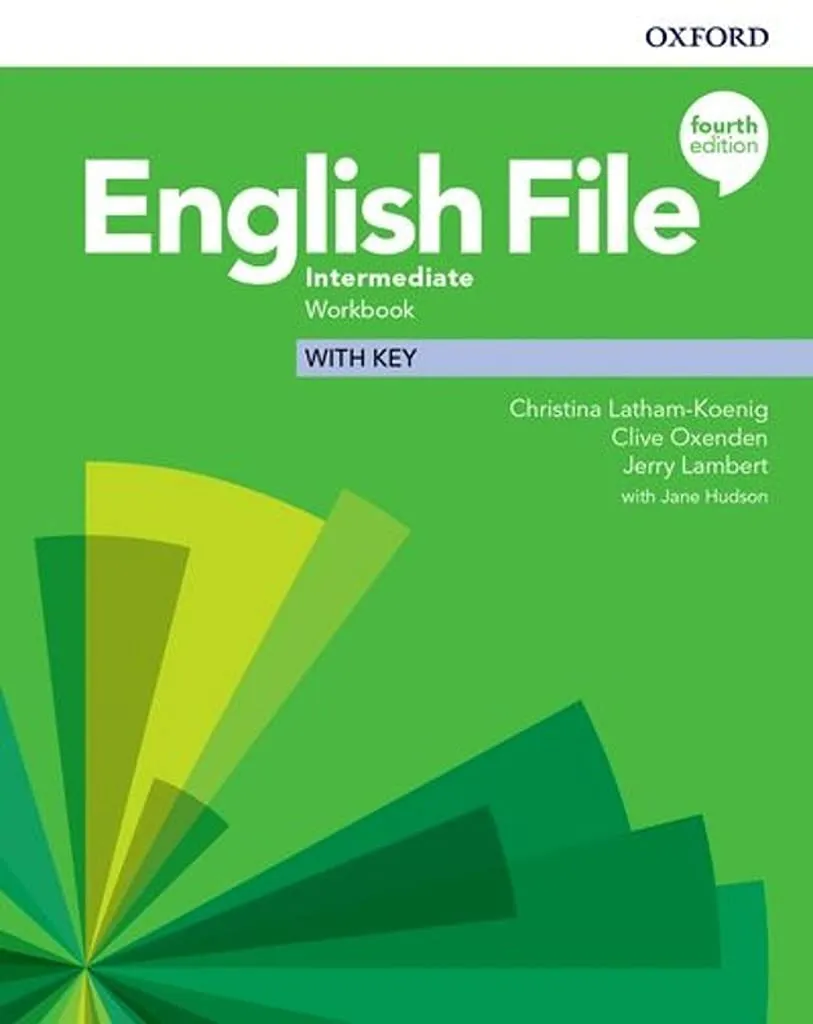
English File Intermediate. Workbook with Key
Christina Latham-Koenig,Clive Oxenden,Jerry Lambert
2019
View book
Book guide and evaluation
F. J. E. Raby
0 reviews
Published
pages
views
Introduction to 'The Oxford Book of Medieval Latin Verse' 'The Oxford Book of Medieval Latin Verse', compiled and edited by F. J. E. Raby, is an eloquent anthology offering readers a captivating journey through the world of Medieval Latin poetry and literature. Thi
Before you read
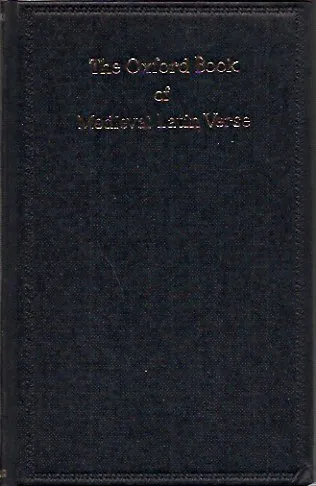
'The Oxford Book of Medieval Latin Verse', compiled and edited by F. J. E. Raby, is an eloquent anthology offering readers a captivating journey through the world of Medieval Latin poetry and literature. This vast collection encompasses a broad spectrum of poetic forms composed during the centuries-long medieval era, presenting an exceptional opportunity to explore a rich yet often overlooked segment of literary heritage.
As the name suggests, the anthology is part of the celebrated Oxford series, renowned for its impeccable academic authority and engaging selection of works. The book provides not only a comprehensive set of poetic compositions but also contextual insights into the literary and cultural life of the Middle Ages. With carefully curated selections, this work serves as an essential resource for scholars, students, and enthusiasts of medieval literature, as well as lovers of classical and post-classical Latin.
'The Oxford Book of Medieval Latin Verse' spans an extensive period, from the decline of classical antiquity to the threshold of the Renaissance. It captures the transformative era when Latin poetry adapted itself to new cultural, religious, and philosophical landscapes. The anthology includes works by both renowned and anonymous poets, reflecting the profound creativity that thrived within monasteries, courts, and schools across medieval Europe.
Each poem in this collection has been meticulously selected to highlight facets of medieval life, spirituality, and intellectual pursuits. From devotional hymns that express the deeply rooted strands of Christian piety, to nature-inspired verses and philosophical reflections, the anthology encapsulates the diversity of themes that medieval poets explored. Embedded in this treasure trove are hymns to the Virgin Mary, epics recounting classical myths, and allegories touching on morality and virtue—all crafted in impeccable Latin that demonstrates the enduring beauty of this ancient language.
Beyond its poetic content, the book also incorporates historical context, linguistic commentary, and textual notes, enriching the reader's understanding of both the works and their creators. It is not just about preserving texts; it is about reviving the voices of poets long past, who continue to influence modern sensibilities.
The anthology includes several memorable and timeless excerpts. Below are a few notable quotes:
"O fortunatam culpam, quae talem ac tantum meruit habere Redemptorem."
- From the Easter hymn, highlighting the paradox of human fallibility and divine redemption.
"Dum tempus habemus, operemur bonum."
- Translation: 'While we have time, let us do good.' This phrase illustrates the moral urgency often present in medieval thought.
"O summa clementia, quae mortem innocuae carnis tuae commutasti in vitam."
- This reflects the profound theological reflections infused into medieval Latin poetry.
'The Oxford Book of Medieval Latin Verse' plays a unique and vital role in preserving the literary legacy of a bygone era. The Middle Ages were not a dark void of creativity, as often misrepresented, but a flourishing period for poetic exploration and spiritual contemplation. The book unveils this vibrancy with unparalleled precision and care.
Its importance stems from the way it bridges the gap between the classical and modern worlds. Latin, once the lingua franca of intellectual and religious pursuits, evolved during the medieval period into a uniquely expressive medium that mirrored the cultural undercurrents of its era. This book allows us to witness that evolution firsthand.
Moreover, the anthology invites readers to appreciate the universality of human thought and emotion. It connects us with people from centuries ago who meditated on themes such as love, mortality, transcendence, and the sublime. These poems are not relics—they are pulsating reflections of humanity. By preserving them, this book ensures future generations can appreciate the aesthetic and intellectual achievements of the past.
Whether you are a scholar exploring medieval studies or a casual reader seeking to delve into Latin poetry, 'The Oxford Book of Medieval Latin Verse' offers an enriching and transformative experience. Its lyrical beauty, combined with its cultural and historical significance, makes it an essential addition to the canon of world literature.
Your question is answered in the context of this title and author. Each answer uses 2 points.
0 reviews, 4.5 average out of 5
Sign in to publish a review.
Ask a focused question and learn from the community.
Related references that continue this learning path.
Christina Latham-Koenig,Clive Oxenden,Jerry Lambert