Book guide and evaluation
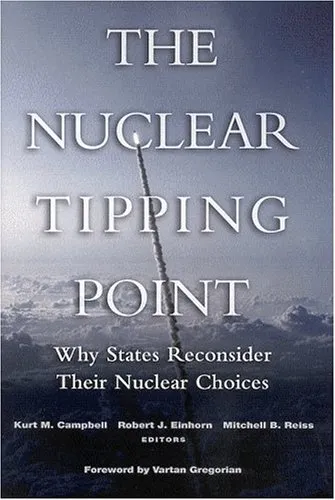
The Nuclear Tipping Point: Why States Reconsider Their Nuclear Choices
Kurt M. Campbell,Robert J. Einhorn,Mitchell B. Reiss
English
Intermediate
Leadership & Management
4.0 / 5
0 reviews
2004
Published
381
pages
606
views
The Nuclear Tipping Point: An Introduction Welcome to a profound exploration of nuclear proliferation and international security in "The Nuclear Tipping Point: Why States Reconsider Their Nuclear Choices." Authored by Kurt M. Campbell, Robert J. Einhorn, and Mitchell B. Reiss,
Before you read
What will you get from this book?
The Nuclear Tipping Point: An Introduction
Welcome to a profound exploration of nuclear proliferation and international security in "The Nuclear Tipping Point: Why States Reconsider Their Nuclear Choices." Authored by Kurt M. Campbell, Robert J. Einhorn, and Mitchell B. Reiss, this book meticulously examines why certain states teeter on the edge of acquiring nuclear weapons, what catalysts drive these decisions, and how global dynamics shape these choices.
Detailed Summary of the Book
This book delves deep into the complexities behind why states reconsider their nuclear ambitions. Using in-depth case studies and theoretical insights, the authors investigate the multitude of factors contributing to a state's decision to pursue or abstain from nuclear armament. The narrative keenly observes historical patterns, geopolitical tensions, and the underlying motivations of various nations.
The authors argue that nuclear decisions are rarely isolated incidents influenced solely by national security concerns. Instead, they are multifaceted evaluations integrating global standing, economic sanctions, technological abilities, and internal political dynamics. Through a series of expert analyses, the book reveals how balancing these elements becomes crucial in any state's pursuit or abandonment of nuclear capabilities.
Key Takeaways
- Understanding Motivation: Nations' nuclear ambitions are seldom propelled by a single cause but result from a web of influential factors, ranging from security needs to political prestige.
- Policy Implications: The book underscores the importance of effective international policies and diplomatic interventions in mitigating nuclear proliferation risks.
- The Role of Global Dynamics: Changes in global politics, such as shifts in alliances and rivalries, can significantly impact national nuclear strategies.
- Technological Access: Access to or denial of nuclear technology and resources can be pivotal in a state's decision-making process.
Famous Quotes from the Book
“The decision for a state to go nuclear is not made in a vacuum; it is a reflection of complex domestic and international equations.”
“Understanding why states reconsider nuclear choices is essential for predicting and preventing future proliferation crises.”
Why This Book Matters
In an era where nuclear threats remain a substantial part of global security discussions, "The Nuclear Tipping Point" provides essential insights into how states decide to pursue or halt nuclear weapons programs. As international stakeholders strive to prevent proliferation, understanding these processes is vital for developing effective deterrents and ensuring a stable geopolitical environment. The authoritative analyses presented in this book not only enhance academic understanding but also inform policymakers and practitioners on crafting nuanced, impactful strategies.
Furthermore, this text is crucial for readers seeking to grasp the delicate balance that countries maintain between pursuing national security interests and adhering to global non-proliferation norms. It serves as a definitive guide, offering both historical context and future foresight, making it an invaluable resource for scholars, diplomats, and anyone interested in the complexities of international relations and arms control.
Ask this book
Your question is answered in the context of this title and author. Each answer uses 2 points.
Sign in to ask the book assistant.
Reader reviews
0 reviews, 4.0 average out of 5
No reviews yet
If you have read this book, help the next reader with your experience.
Write a review
Sign in to publish a review.
Reader questions and answers
Ask a focused question and learn from the community.
Sign in to ask or answer a question.
No questions yet
Be the first to ask a clear, useful question.
What to read next
Related references that continue this learning path.
The Manager’s Path: A Guide for Tech Leaders Navigating Growth and Change
Camille Fournier
2017
View book

Tipping Point: Britain, Brexit and Security in the 2020s
Michael Clarke;Helen Ramscar
2020
View book