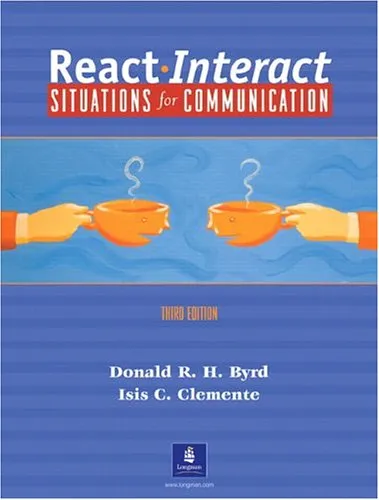
React Interact: Situations for Communication, Third Edition
Donald R. H. Byrd,Isis C. Clemente
2001
View book
Book guide and evaluation
Williams,Robin P
0 reviews
Published
pages
views
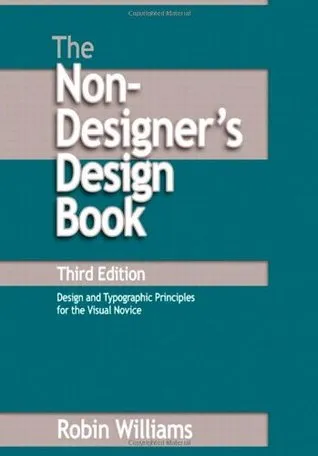
Introduction to "The Non-Designer's Design Book" Welcome to The Non-Designer’s Design Book: Design and Typographic Principles for the Visual Novice, a guide created specifically for anyone who thinks design is "not their thing." Written by Robin P. Williams, this b
Before you read
Welcome to The Non-Designer’s Design Book: Design and Typographic Principles for the Visual Novice, a guide created specifically for anyone who thinks design is "not their thing." Written by Robin P. Williams, this book has been a trusted resource for countless readers looking to grasp the basics of effective design and typography without the need for technical jargon or prior experience. Whether you're designing business presentations, creating websites, or enhancing printed materials, this guide will equip you with the tools to make your projects visually appealing, structured, and professional.
The cornerstone of this book lies in its clarity, breaking down complex design principles into a coherent set of rules anyone can follow. Even if you've never thought of yourself as a visually creative individual, you’ll discover how to rearrange elements and choose typefaces confidently. This introduction will provide a structured overview of the book, along with key takeaways and reasons why it continues to be a must-read for both beginners and experienced designers alike.
At its core, The Non-Designer’s Design Book is a practical crash course on design fundamentals, focusing on four key principles: Contrast, Repetition, Alignment, and Proximity (often abbreviated as "C.R.A.P."). These principles serve as the backbone for creating engaging and balanced layouts, whether you're working with business cards, flyers, digital presentations, or websites. Each principle is explained with simple yet effective examples, enabling readers to identify and fix common design mistakes quickly.
Typography also plays a significant role in the book, with comprehensive guidance on selecting fonts, combining typefaces, and understanding hierarchy to create readable and impactful designs. Robin P. Williams demystifies intimidating design concepts, offering easily digestible advice on everything from using white space effectively to designing for various audiences and platforms.
The book has been praised for its approachable language, visual examples, and step-by-step methodology. It avoids overwhelming readers with technical details, giving novices the confidence to try their hand at design without a formal graphic design background.
"Once you can name a principle, you will notice that principle everywhere. And that is the beginning of seeing."
"Design is about making things clear and functional, while also being visually pleasing."
"Typography is a tool you can use to control a reader’s experience and guide them through communication."
In a world increasingly driven by visual communication, The Non-Designer’s Design Book fills the gap for those who lack formal training in graphic design. It empowers everyday people—small business owners, educators, students, marketers, and more—to create polished, professional-looking designs without relying on expensive software or professional designers. The concepts in this book are timeless, foundational, and adaptable across various contexts, allowing readers to create with intention and skill, even in today’s fast-changing technological landscape.
This book matters because it levels the playing field. It makes design knowledge accessible, not just for professionals but for anyone, regardless of their background. By breaking down the principles of good design, it also helps readers develop an eye for design, encouraging them to notice details and make informed choices when crafting their visual work. Moreover, the widespread acclaim and enduring relevance of the book highlight its effectiveness and value as a resource for anyone aspiring to communicate visually with impact.
Your question is answered in the context of this title and author. Each answer uses 2 points.
0 reviews, 5.0 average out of 5
Sign in to publish a review.
Ask a focused question and learn from the community.
Related references that continue this learning path.
Donald R. H. Byrd,Isis C. Clemente