Clament
2025/12/16
5 / 5
its very useful to me
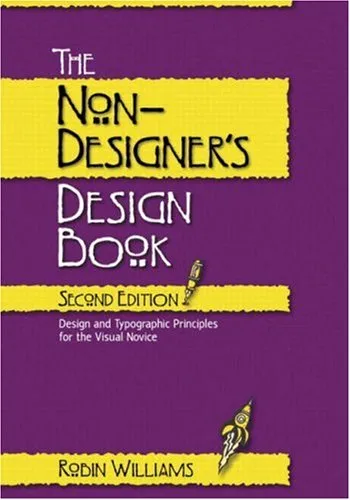
Book guide and evaluation
Robin Williams
1 reviews
Published
pages
views
Introduction to 'The Non-Designer's Design Book (2nd Edition)' Whether you're a business professional, an educator, a small business owner, or an aspiring designer, design is everywhere around you. Visual design shapes how we communicate ideas, present information, and engage
Before you read
Whether you're a business professional, an educator, a small business owner, or an aspiring designer, design is everywhere around you. Visual design shapes how we communicate ideas, present information, and engage an audience. Yet, for many, the principles of design can feel intimidating and inaccessible. That's where 'The Non-Designer's Design Book (2nd Edition)' steps in—a guide tailored for those who lack formal design training but want to create clean, professional, and effective designs.
This book breaks the myth that design expertise is reserved for professionals only. Written in an approachable, conversational tone, it guides readers through fundamental principles of design and introduces the essential language of visual communication. Within its pages, you'll discover practical, real-world techniques that will immediately improve your visual work, whether you're designing a presentation, flyer, or website.
'The Non-Designer's Design Book (2nd Edition)' works as a hands-on guide for individuals with little to no experience in design. The book’s foundation lies in four core design principles: Contrast, Repetition, Alignment, and Proximity—collectively known as the CRAP principles. These principles are explained in detail to help readers understand how each contributes to creating impressive, professional-looking designs.
It’s not just a theoretical discussion of concepts; the book is filled with concrete examples and “before and after” design comparisons. Readers are shown how minor adjustments in layout, spacing, and font selection can significantly transform a design. Each section builds on the next, ensuring that even novices can follow along with confidence while gaining tangible skills by the end of the book.
Additionally, this second edition includes expanded sections on typography—equipping readers with tools to choose, pair, and use fonts wisely. There's also a strong emphasis on color theory and how to avoid common mistakes. These elements are vital to creating anything from advertisements to websites that stand out.
By the time you close the book, you’ll have mastered not only the basics of good design but also how to use them effectively in your everyday work and creative projects.
"Design is about making your message clear, not just making it look pretty."
"The CRAP principles aren’t just about aesthetics—they’re about guiding the viewer’s eye and organizing information effectively."
"Typography is more than picking fonts; it’s about creating a voice that matches the message."
In today’s fast-paced, visually-driven world, strong design skills are no longer optional—they are essential. Yet, many people find themselves in need of creating designs, whether for work or personal projects, without any formal education in design principles. 'The Non-Designer's Design Book (2nd Edition)' bridges that gap, empowering readers to identify and correct issues in their designs while teaching them how to create polished, professional-looking materials from scratch.
This book demystifies design through relatable language, clear examples, and actionable tips. It doesn’t expect you to know complex industry jargon or master software tools. Instead, it focuses on helping anyone—even true beginners—achieve remarkable results simply by sticking to the core principles and applying common sense.
Beyond its technical teachings, this book matters because it builds confidence. It shows readers that good design is accessible to everyone. You'll come away knowing not just how to design effectively but also why design matters as a tool for communication and impact. In a world where great design is a cornerstone of success, this book is your first and most essential step in mastering it.
Your question is answered in the context of this title and author. Each answer uses 2 points.
1 reviews, 5.0 average out of 5
2025/12/16
5 / 5
its very useful to me
Sign in to publish a review.
Ask a focused question and learn from the community.
Related references that continue this learning path.
Donald R. H. Byrd,Isis C. Clemente