

Book guide and evaluation
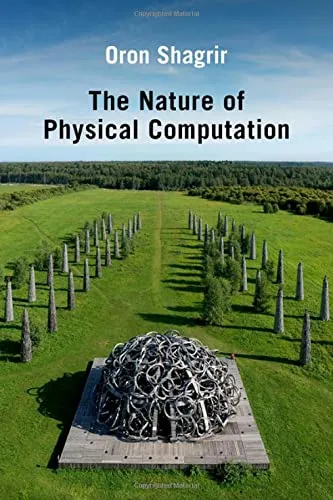
The Nature of Physical Computation
Oron Shagrir
English
Beginner
Software Engineering
4.9 / 5
0 reviews
2022
Published
319
pages
204
views
Introduction to 'The Nature of Physical Computation' Written by renowned philosopher and cognitive scientist Oron Shagrir, 'The Nature of Physical Computation' delves into one of the most fascinating and complex questions in contemporary science: What does it mean
Before you read
What will you get from this book?
Introduction to 'The Nature of Physical Computation'
Written by renowned philosopher and cognitive scientist Oron Shagrir, 'The Nature of Physical Computation' delves into one of the most fascinating and complex questions in contemporary science: What does it mean for physical systems to compute? This book bridges the gap between science, philosophy, and computational theory, offering readers a profound and thought-provoking exploration of the foundations and implications of computation in the physical world.
The rapid advancement of computational technology has revolutionized the way we understand the universe, sparking debates about whether all physical systems can be described in computational terms. Through rigorous analysis and lucid prose, this book examines the nature of computation, its role in physical processes, and the philosophical underpinnings of its concepts. Ideal for scholars, students, and curious minds alike, The Nature of Physical Computation invites you to challenge your assumptions and reimagine the relationship between computation and reality.
A Detailed Summary of the Book
'The Nature of Physical Computation' unfolds in a series of detailed arguments and explorations, merging the disciplines of philosophy, cognitive science, and computational theory. Shagrir begins with an examination of the classic definitions of computation, tracing its history back to Turing machines and other foundational models. He raises crucial questions: Can physical processes be inherently computational? Is computation merely a metaphor for describing complex phenomena?
The narrative progresses by discussing multiple perspectives on computation, including computationalism — the idea that the mind itself is a computational system. Shagrir critically evaluates these schools of thought, balancing the theoretical underpinnings with empirical studies from computer science, neuroscience, and physics. The heart of the book is devoted to analyzing the physical realization of computation. Shagrir considers whether computational processes exist independently in the world or whether they require a form of interpretation by conscious agents.
In later chapters, the book addresses the broader philosophical implications of physical computation. By questioning the universality of computation, Shagrir situates this inquiry in a broader discourse on the nature of information, causality, and physical laws. The conclusion synthesizes these discussions, presenting a nuanced and comprehensive account of how computation fits into our scientific worldview.
Key Takeaways
- Foundational Insights into Computational Theory: Learn how computation is defined, understood, and applied across various domains.
- Bridging Philosophy and Science: Explore the philosophical questions emerging from the idea of physical computation and its relationship with human cognition.
- Debunking Misconceptions: Discover where traditional interpretations of computation may fail and how Shagrir provides alternative frameworks for understanding.
- A Multidisciplinary Perspective: Gain insights into how computation intersects with physics, neuroscience, and cognitive science.
- Human-Centric Interpretations: Reflect on the role of human understanding in attributing computational properties to physical systems.
Famous Quotes from the Book
"Computation is not merely a property of computational machines but of the ways in which the physical world organizes and processes information."
"The interpretive act of ascribing computation is not trivial; it reflects human perspectives on functionality and purpose."
Why This Book Matters
'The Nature of Physical Computation' stands at the crossroads of technological innovation and intellectual inquiry, offering an indispensable guide for understanding the computational revolution's broader implications. In an era when artificial intelligence and machine learning are reshaping society, this book asks the critical questions necessary to engage with such advancements responsibly.
What sets Shagrir's work apart is its interdisciplinary approach, tackling the technical aspects of physical computation while emphasizing its philosophical depth. By illuminating the nuanced interplay of computation and physics, Shagrir provides clarity on one of the most pressing issues in contemporary science. This book matters not just for specialists but for anyone eager to understand the computational essence of the world around us.
Ask this book
Your question is answered in the context of this title and author. Each answer uses 2 points.
Sign in to ask the book assistant.
Reader reviews
0 reviews, 4.9 average out of 5
No reviews yet
If you have read this book, help the next reader with your experience.
Write a review
Sign in to publish a review.
Reader questions and answers
Ask a focused question and learn from the community.
Sign in to ask or answer a question.
No questions yet
Be the first to ask a clear, useful question.
What to read next
Related references that continue this learning path.


Modern Computer Vision with PyTorch: A Practical Roadmap From Deep Learning Fundamentals to Advanced Applications and Generative AI, 2nd Edition
V Kishore Ayyadevara,Yeshwanth Reddy
2023
View book