Book guide and evaluation
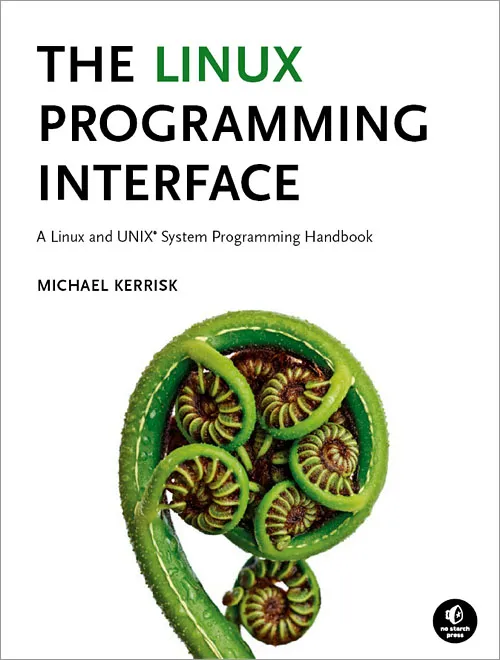
The Linux programming interface: a Linux and UNIX system programming handbook
Michael Kerrisk
English
Unordered
Computer Science and Theory
5.0 / 5
0 reviews
2010
Published
1556
pages
663
views
Introduction to The Linux Programming Interface The Linux Programming Interface: A Linux and UNIX System Programming Handbook is a comprehensive guide that delves deeply into the Linux and UNIX operating systems, presenting in-depth knowledge on system pr
Before you read
What will you get from this book?
Introduction to The Linux Programming Interface
The Linux Programming Interface: A Linux and UNIX System Programming Handbook is a comprehensive guide that delves deeply into the Linux and UNIX operating systems, presenting in-depth knowledge on system programming. Authored by Michael Kerrisk, this book is esteemed in both academic circles and the software industry as an essential resource for anyone aiming to master Linux system programming. It covers a wide range of topics, encapsulating years of cumulative expertise in a manner that is both meticulous and approachable.
Michael Kerrisk, an eminent figure in the domain of Linux, offers this work as both an educational tool and a reference manual. This text serves not just novice programmers but even seasoned engineers involved in building complex, robust software on Linux and UNIX systems.
Detailed Summary of the Book
The book encompasses more than 1500 pages and is organized into significant sections that address different aspects of Linux and UNIX programming. It starts with a detailed introduction to the history and evolution of UNIX systems. The chapters progressively unfold into deeper topics like file I/O, process management, memory allocation, threading, and network programming.
A substantial portion of the book is dedicated to explaining system calls, library functions, and building normalized APIs. Each topic is treated with extensive examples, offering real-world scenarios and code snippets. Kerrisk meticulously details the differences and similarities between Linux and UNIX, providing insights into porting software between these platforms.
Advanced topics like synchronized I/O, signal handling, and multi-threading are presented comprehensively to build a nuanced understanding. The book discusses security topics, ensuring that readers are aware of potential vulnerabilities in system-level programs and how to mitigate them.
Key Takeaways
- Understand the fundamental and advanced concepts behind Linux and UNIX system programming.
- Develop the ability to write sophisticated, efficient system-level applications.
- Dive into detailed explanations of system calls and library functions.
- Learn about best practices for handling processes, memory, file I/O, and network programming.
- Become familiar with debugging, profiling, and performance tuning for Linux applications.
Famous Quotes from the Book
"If you want to become a skilled developer of software for Linux or UNIX, the system-providing interfaces that I describe in this book are the building blocks that you will use."
"Programming isn't just about writing code; it's about creating a mental model of the system you'll use."
Why This Book Matters
The significance of The Linux Programming Interface cannot be overstated in the context of contemporary computing. Linux unpins a myriad of systems, from embedded devices to high-performance servers, and a thorough grounding in Linux programming is invaluable. This book enables enthusiasts and professionals alike to gain a profound understanding of operating systems' inner workings and how best to leverage their functionalities.
By systematically unpacking the complexities of system programming, Michael Kerrisk provides readers with the tools to develop not only functional but also optimized and secure software. Understanding the concepts elucidated in the book equips programmers with the flexibility needed in an adaptable technology landscape.
In an era where open-source dominates, and Linux continues to be a linchpin in technology, this book stands out as an indispensable resource for aspiring and experienced programmers worldwide.
Ask this book
Your question is answered in the context of this title and author. Each answer uses 2 points.
Sign in to ask the book assistant.
Reader reviews
0 reviews, 5.0 average out of 5
No reviews yet
If you have read this book, help the next reader with your experience.
Write a review
Sign in to publish a review.
Reader questions and answers
Ask a focused question and learn from the community.
Sign in to ask or answer a question.
No questions yet
Be the first to ask a clear, useful question.
What to read next
Related references that continue this learning path.
Learning Ceph: a unified, scalable, and reliable open source storage solution
Anthony D’Atri,Vaibhav Bhembre,Karan Singh
2017
View book