
Williams Obstetrics, 26th Edition
F. Gary Cunningham,Kenneth J. Leveno,Jodi S. Dashe,Barbara L. Hoffman,Catherine Y. Spong,Brian M. Casey
2022
View book
Book guide and evaluation
R. Moss (auth.),R. Moss (eds.)
0 reviews
Published
pages
views
Introduction Welcome to a comprehensive exploration of the welfare and environment of laying hens, a subject of paramount importance amidst rising concerns about animal welfare in agricultural practices. This book, "The Laying Hen and its Environment," captures the essenti
Before you read
Welcome to a comprehensive exploration of the welfare and environment of laying hens, a subject of paramount importance amidst rising concerns about animal welfare in agricultural practices. This book, "The Laying Hen and its Environment," captures the essential discourse from the seminar organized as part of the European Economic Community's Programme of Research Coordination on Animal Welfare. This landmark seminar, held in Luxembourg from March 11–13, 1980, was orchestrated by renowned experts R. Moss and V. Fischbach, bringing together leading researchers, scientists, and policymakers to share insights and develop cooperative strategies in understanding and improving the living conditions of laying hens.
The seminar and consequently this book delve into various facets of the laying hen's environment and its implications for their welfare. It provides a collection of meticulously researched papers and discussions that address the myriad of factors affecting laying hens, including housing, nutrition, behavior, health, and productivity. The book captures the essence of the seminar's objective: to coordinate research efforts across the EEC and beyond in order to enhance the well-being of laying hens through improved environmental conditions.
The book starts with an overview of the state of the laying hen industry at the time and moves into specific case studies and experiments conducted across Europe. By examining different housing systems such as battery cages, free-range, and deep litter systems, it discusses their impacts on the physical and psychological well-being of the birds. This holistic approach gives readers a detailed understanding of both scientific findings and practical applications that could lead to improved welfare standards in poultry farming.
"Animal welfare is not a luxury; it is a mandate of ethical stewardship and scientific responsibility."
"The well-being of our animals is a mirror of our own society; to ignore it is to sacrifice our humanity."
In the dialogue about animal welfare, "The Laying Hen and its Environment" stands as a critical resource. It marks a pioneering moment for cooperative international efforts directed at improving the welfare of laying hens—a sector too often neglected in the broader conversation about livestock welfare. The insights shared in this book go beyond academic discourse, providing a foundation upon which practical applications can be built to ensure humane and sustainable farming practices. By presenting a synthesis of research from a variety of European contexts, this book has contributed significantly to shaping modern policies around farm animal welfare, making it an indispensable read for scholars, practitioners, and policymakers alike.
Your question is answered in the context of this title and author. Each answer uses 2 points.
0 reviews, 4.6 average out of 5
Sign in to publish a review.
Ask a focused question and learn from the community.
Related references that continue this learning path.
F. Gary Cunningham,Kenneth J. Leveno,Jodi S. Dashe,Barbara L. Hoffman,Catherine Y. Spong,Brian M. Casey
Alan Partin,Craig Peters,Louis Kavoussi,Roger Dmochowski,Alan Wein
John E. Bennett &Raphael Dolin &Martin J. Blaser
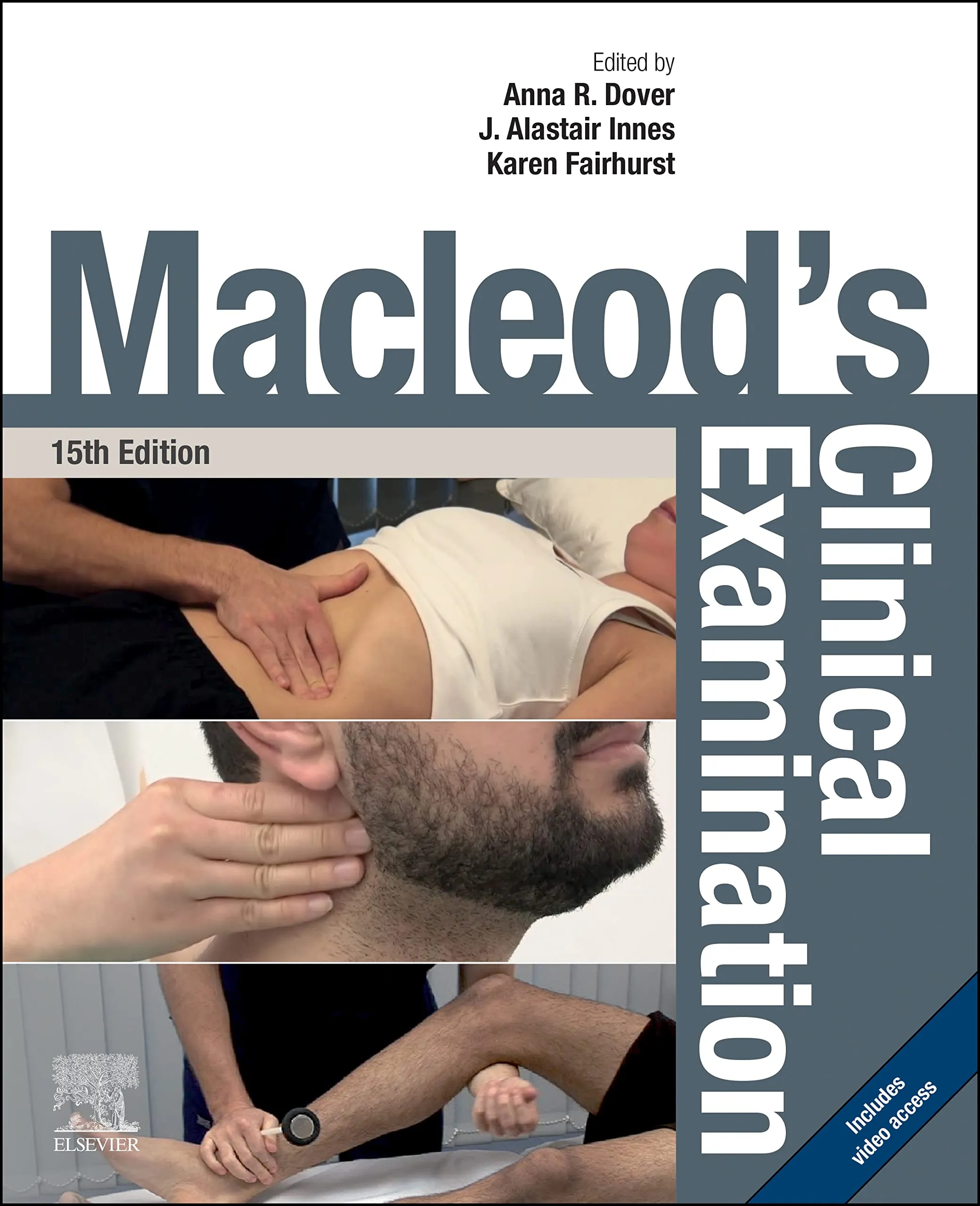
Anna R Dover PhD FRCP(Ed) (editor),J. Alastair Innes BSc PhD FRCP Ed (editor),Karen Fairhurst PhD FRCGP (editor)