
Book guide and evaluation
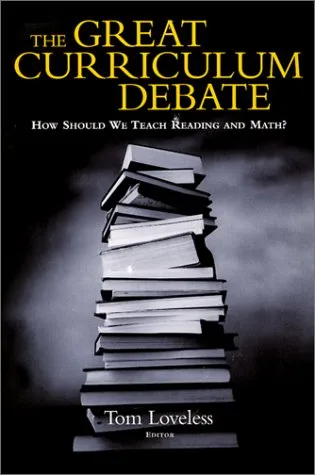
The Great Curriculum Debate: How Should We Teach Reading and Math?
Tom Loveless (Editor)
English
Beginner
novel
4.0 / 5
0 reviews
2001
Published
369
pages
325
views
Introduction to 'The Great Curriculum Debate: How Should We Teach Reading and Math' Education is one of the cornerstones of any progressive society. At its core, teaching methodologies for fundamental skills like reading and math have sparked heated debates for decades. "T
Before you read
What will you get from this book?
Introduction to 'The Great Curriculum Debate: How Should We Teach Reading and Math'
Education is one of the cornerstones of any progressive society. At its core, teaching methodologies for fundamental skills like reading and math have sparked heated debates for decades. "The Great Curriculum Debate: How Should We Teach Reading and Math" dives into this controversy, uncovering decades of research, pedagogical philosophies, and real-world implications of the choices educators make. With a primary focus on evidence-based practices and the broader societal consequences of curricular decisions, this book is an exploration of one of the most pressing topics in education today.
Written for teachers, policymakers, parents, and anyone vested in the future of education, this book provides a thoughtful and comprehensive journey into the history, tensions, and potential resolutions surrounding curriculum design. From phonics versus whole language in reading instruction to debates over conceptual versus procedural focus in math education, the book sheds light on the complexity of the decisions educators face daily. By presenting data-driven insights and diverse perspectives, the aim is not merely to inform but to inspire actionable dialogue among all stakeholders in education.
Detailed Summary of the Book
The book begins with an in-depth historical overview, examining the roots of the debates in both reading and math instruction. It discusses key milestones in curriculum development, from the rise of the "New Math" in the mid-20th century to the cultural emphasis on phonics-based reading programs. The first few chapters set the stage by analyzing how economic, political, and social movements have influenced curricular trends over the years.
Moving forward, the book delves into the two central pillars of education: literacy and numeracy. The reading section explores contrasting theories like whole language versus phonics, providing evidence for their strengths and weaknesses. Similarly, the math section unpacks whether conceptual understanding or rote memorization leads to better outcomes for students.
One of the standout features of this book is its attention to modern educational technology. The text examines how digital tools are reshaping the reading and math debate, presenting opportunities for innovation while also cautioning about potential pitfalls. The final chapters focus on bridging the gaps between research and practice. Here, educators and policymakers are given frameworks to construct balanced curricula aimed at equipping students with 21st-century skills.
Key Takeaways from the Book
- The historical and cultural context of curriculum debates profoundly impacts teaching methodologies.
- There is no one-size-fits-all solution; successful strategies depend on striking a balance between theory and practice.
- Phonics and whole language approaches each have merits; hybrid teaching models often work best.
- In math education, a mix of conceptual understanding and procedural fluency leads to deeper learning and retention.
- Collaboration among teachers, researchers, and policymakers is vital to drive evidence-based reforms.
- The growing integration of technology presents both challenges and opportunities for raising literacy and numeracy standards.
Famous Quotes from the Book
"Teaching a child to decode words is only half the battle; ensuring they comprehend those words is the ultimate victory."
"Mathematics education isn't just about numbers; it's about nurturing problem-solvers who think critically and creatively."
"The best educational practices aren't born in a vacuum but emerge when communities come together to prioritize their children's future."
Why This Book Matters
Education is the foundation upon which societies build innovation and progress. This book matters because it tackles one of the most essential discussions in contemporary education: how to teach fundamental skills like reading and math effectively. With an emphasis on practicality and equity, it helps educators and policymakers make informed decisions rooted in evidence rather than ideology. The book also addresses the challenges of evolving classroom demographics and the increasing role of technology in shaping curricula.
As the world grows more interconnected and competitive, the skills students acquire during their formative years determine not just their personal success, but the health of entire economies. This book is a vital resource for equipping the next generation with the tools they need to thrive in an ever-changing landscape. By presenting arguments supported by data and experience, this book invites readers to contribute to the meaningful reform of education systems around the globe.
Ask this book
Your question is answered in the context of this title and author. Each answer uses 2 points.
Sign in to ask the book assistant.
Reader reviews
0 reviews, 4.0 average out of 5
No reviews yet
If you have read this book, help the next reader with your experience.
Write a review
Sign in to publish a review.
Reader questions and answers
Ask a focused question and learn from the community.
Sign in to ask or answer a question.
No questions yet
Be the first to ask a clear, useful question.
What to read next
Related references that continue this learning path.

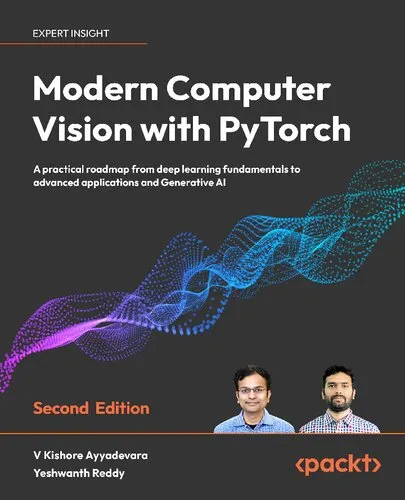
Modern Computer Vision with PyTorch: A Practical Roadmap From Deep Learning Fundamentals to Advanced Applications and Generative AI, 2nd Edition
V Kishore Ayyadevara,Yeshwanth Reddy
2023
View book