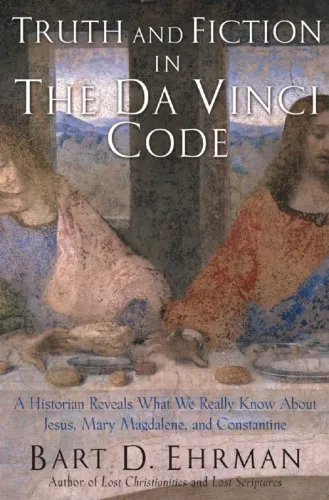
The truth behind the Da Vinci code: a historian explores what we really know about Jesus, Mary Magdalene, and Constantine
Emperor of Rome Constantine I;Brown, Dan;Saint Mary Magdalene;Ehrman, Bart D.;Jesus Christ
2004
View book
Book guide and evaluation
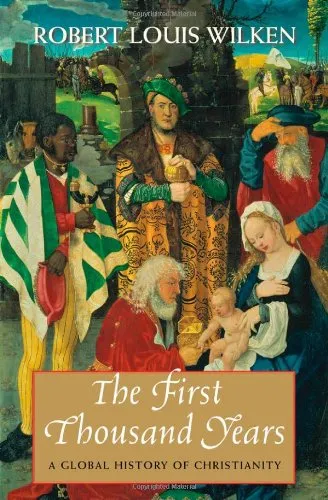
Robert Louis Wilken
0 reviews
Published
pages
views
The First Thousand Years: A Global History of Christianity - Introduction "The First Thousand Years: A Global History of Christianity" is a comprehensive exploration of the formative years of Christianity. Authored by the esteemed historian Robe
Before you read
"The First Thousand Years: A Global History of Christianity" is a comprehensive exploration of the formative years of Christianity. Authored by the esteemed historian Robert Louis Wilken, this book delves into the sweeping narrative of Christianity from its inception to the turn of the first millennium. It examines the growth, spread, and development of the Christian faith, highlighting key figures, events, and cultural exchanges that shaped its journey across different regions of the world. The book not only addresses the theological and ecclesiastical aspects but also dives deeper into the social, cultural, and political influences that played significant roles in the unfolding of Christianity's first thousand years.
Wilken's narrative begins with the life of Jesus and the early years of his followers. The book thoroughly explores the Apostolic Age, capturing how the teachings of Jesus were interpreted and spread by his disciples across the Roman Empire. From there, Wilken takes us through the significant milestones, including the persecution of Christians, the role of martyrs, and the eventual rise of Christianity as the dominant religion within the Roman Empire under Emperor Constantine. As the story unfolds, the book transitions towards the expansion of Christianity beyond the Roman world into Persia, the conversion of Gothic tribes, and the missions to Ireland. Each account is meticulously detailed, highlighting the complex interactions between Christianity and the diverse cultures it touched. Wilken provides a global perspective by incorporating the spread of Christianity in the East, notably its reach into India and China, long before the influence of European colonialism. The narrative also examines theological debates and ecumenical councils that forged doctrinal unity amidst regional divergence. Intellectual giants such as Augustine, Jerome, and Athanasius are vividly portrayed, alongside lesser-known yet crucial figures who contributed to the Christian intellectual tradition. Across ten centuries, Wilken crafts a history that does not shy away from the internal conflicts within Christianity, such as the Arian controversy, and recognizes the faith’s contribution to medieval civilization’s intellectual and cultural reawakening.
"At its heart, Christianity is a person, not a book, a movement, an institution, or a system of ethics."
"The rise of Christian devotion reshaped the narratives of people's lives, offering hope and instilling a sense of belonging that transcended political and social boundaries."
"The First Thousand Years" stands out as an essential read for anyone interested in the roots of Christianity and its historical trajectory. Wilken's narrative is both scholarly and accessible, making the book a valuable resource for historians, theologians, and lay readers alike. By providing a global perspective, it challenges the often Eurocentric narratives of Christian history and emphasizes the importance of understanding Christianity as a worldwide phenomenon from its very beginning. Wilken’s insightful analysis and rich storytelling offer a nuanced view of how early Christian communities navigated a complex world, illuminating the ways in which the past continues to influence contemporary Christian faith and practice.
Your question is answered in the context of this title and author. Each answer uses 2 points.
0 reviews, 4.0 average out of 5
Sign in to publish a review.
Ask a focused question and learn from the community.
Related references that continue this learning path.
Emperor of Rome Constantine I;Brown, Dan;Saint Mary Magdalene;Ehrman, Bart D.;Jesus Christ