Book guide and evaluation
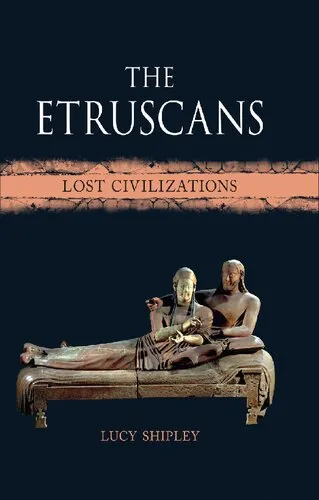
The Etruscans: Lost Civilizations
Lucy Shipley
English
Intermediate
novel
4.2 / 5
0 reviews
2017
Published
215
pages
592
views
The Etruscans: Lost Civilizations In "The Etruscans: Lost Civilizations", Lucy Shipley unravels the mysteries of one of history's most intriguing and sophisticated civilizations. Nestled in modern-day Italy, the Etruscan civilization flourished before the rise of the Roman
Before you read
What will you get from this book?
The Etruscans: Lost Civilizations
In "The Etruscans: Lost Civilizations", Lucy Shipley unravels the mysteries of one of history's most intriguing and sophisticated civilizations. Nestled in modern-day Italy, the Etruscan civilization flourished before the rise of the Roman Empire, leaving behind a wealth of cultural and historical treasures that continue to captivate archaeologists, historians, and enthusiasts alike. This book embarks on a journey through Etruscan society, uncovering the complex social fabric, linguistic enigmas, and artistic legacy left by this enigmatic group.
Detailed Summary
The book begins with a captivating overview of the Etruscans' place in history, setting the stage for their significant yet often overshadowed role in shaping ancient Italy. Shipley meticulously explores the origins of the Etruscan people, drawing on archaeological findings and historical records to paint a vivid picture of their rise to prominence. Subsequent chapters delve into various aspects of Etruscan life, including their social structures, religious practices, and the enigmatic yet alluring language that has puzzled scholars for centuries.
Furthermore, Shipley offers insights into the Etruscans' interactions with neighboring civilizations, particularly the Greeks and Romans, highlighting how these interactions influenced and, in some instances, obscured the Etruscan legacy. The narrative is enriched with descriptions of archaeological sites, such as the renowned tombs of Tarquinia and Cerveteri, showcasing the Etruscans' exceptional artistry and reverence for their dead.
In her quest to capture the essence of Etruscan civilization, Shipley dissects their legacy in modern culture and thought, contemplating the enduring impact of Etruscan art, craftsmanship, and mythology. By exploring the various lenses through which scholars have viewed the Etruscans over the years, the book provides a comprehensive understanding of why this civilization continues to fascinate us today.
Key Takeaways
- The Etruscans were a dominant force in Italy before the Roman Empire, influencing Roman culture extensively.
- Their societal structure and religious practices were sophisticated and deeply connected to their environment.
- Etruscan language and inscriptions continue to intrigue and challenge linguists and historians.
- Etruscan art and architecture are noted for their grandeur and innovation, significantly enriching the Italian cultural heritage.
- Understanding the Etruscans gives a broader perspective on the cultural dynamics of ancient Mediterranean civilizations.
Famous Quotes from the Book
"The Etruscans, with their elaborate society and rich culture, remind us that history is not merely the story of the victors, but of those whose influence resonates through the ages."
"In every urn and artifact unearthed from the Etruscan soil, there lies the whisper of a forgotten world beckoning us to listen and learn."
Why This Book Matters
"The Etruscans: Lost Civilizations" is an essential read for anyone interested in understanding the often overlooked narratives of ancient history. By offering a comprehensive exploration of the Etruscan world, Lucy Shipley brings to light the significant contributions of this civilization to the cultural and historical tapestry of the Mediterranean. The book challenges conventional perspectives, urging readers to appreciate the diverse influences that shaped the ancient world, beyond the traditional focus on Greek and Roman narratives.
Moreover, this book paves the way for future scholarly research, inspiring new generations of historians and archaeologists to continue exploring the enigmatic Etruscan civilization. It encourages a reevaluation of historical narratives and invites readers to view history as a complex interplay between various cultures, each contributing uniquely to our shared human heritage.
Ask this book
Your question is answered in the context of this title and author. Each answer uses 2 points.
Sign in to ask the book assistant.
Reader reviews
0 reviews, 4.2 average out of 5
No reviews yet
If you have read this book, help the next reader with your experience.
Write a review
Sign in to publish a review.
Reader questions and answers
Ask a focused question and learn from the community.
Sign in to ask or answer a question.
No questions yet
Be the first to ask a clear, useful question.
What to read next
Related references that continue this learning path.