
IEEE Trial Use Standard for Application and Management of the Systems Engineering Process (IEEE Std 1220
Software Engineering Standards Committee of the IEEE Computer SociCODE: OS
1994
View book
Book guide and evaluation
Dennis M. Buede(auth.)
0 reviews
Published
pages
views
Welcome to the world of systems engineering through the lens of "The Engineering Design of Systems: Models and Methods, Second Edition". This comprehensive volume is an invaluable resource for both aspiring and seasoned engineers who seek to deepen their understanding of system
Before you read
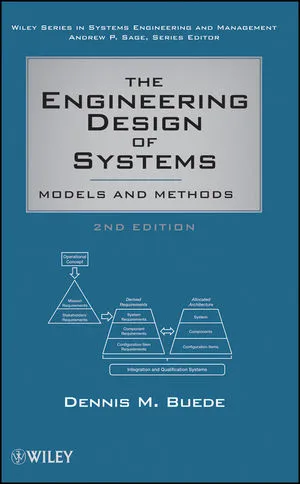
Welcome to the world of systems engineering through the lens of "The Engineering Design of Systems: Models and Methods, Second Edition". This comprehensive volume is an invaluable resource for both aspiring and seasoned engineers who seek to deepen their understanding of systems engineering principles and applications. Authored by Dennis M. Buede, this book delves into the intricacies of systems design and offers a practical approach to tackling engineering challenges. Below is a detailed introduction to the book, compiled with insights and excerpts that illuminate its core themes.
The second edition of "The Engineering Design of Systems" stands as a fundamental treatise in systems engineering, bridging theoretical concepts with real-world applications. The text provides a chronological journey through the systems engineering lifecycle, offering readers detailed methodologies and models for effectively designing complex systems. One of the key strengths of this edition is its inclusion of contemporary methods and tools that reflect advances in technology and engineering practices. Buede’s approach integrates both the technical and human elements of systems design, emphasizing the importance of interdisciplinary collaboration.
From the establishment of requirements to the final stages of system realization, the book guides its readers with precise explanations and structured frameworks. It introduces a variety of modeling techniques that help in understanding and predicting system behaviors. Moreover, Buede infuses the narrative with updated case studies, providing practical examples of how theory is applied in various industries. Overall, the book serves as both an academic textbook and a professional reference guide, making it a versatile addition to any engineer's library.
"The essence of systems engineering is not the parts, but how they interact together to ensure the whole meets the desired outcomes."
"Engineering a system requires more than just technical prowess; it demands a careful consideration of human and organizational factors."
"The Engineering Design of Systems: Models and Methods, Second Edition" is pivotal in modern systems engineering education and practice for several reasons. First, it offers a structured approach for dealing with the complexity of designing systems in today's fast-paced technological environment. The book underlines the vital role of systems engineering in enabling the design of systems that are robust, adaptable, and capable of meeting complex requirements from diverse stakeholders.
Furthermore, Dennis M. Buede’s work is characterized by its clear exposition of both fundamental and advanced concepts, making it accessible to newcomers while still being deeply insightful for experienced engineers. The inclusion of current methodologies ensures that readers are equipped with the relevant skills needed to address contemporary engineering challenges. By focusing not just on the technological aspects but also on human contributions, the book helps cultivate a holistic understanding necessary for the successful engineering of systems today.
This book stands as a testament to the ongoing evolution of systems engineering, serving as a crucial resource for anyone involved in designing and managing complex systems. Its adoption in academic courses and professional settings alike underscores its importance and its lasting impact on the field of systems engineering.
Your question is answered in the context of this title and author. Each answer uses 2 points.
0 reviews, 4.0 average out of 5
Sign in to publish a review.
Ask a focused question and learn from the community.
Related references that continue this learning path.
Software Engineering Standards Committee of the IEEE Computer SociCODE: OS


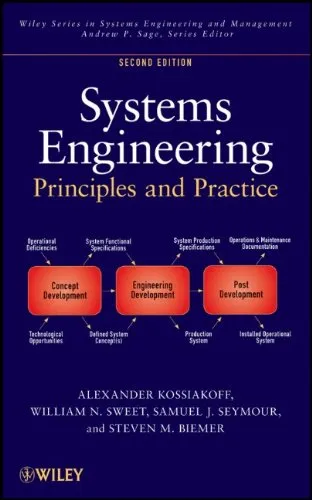
Alexander Kossiakoff,William N. Sweet,Sam Seymour,Steven M. Biemer